
Scam Waves, Deepfake Fraud and Refund Rules — 2026-09-18
Regulators in South Korea and Japan are intensifying crackdowns on sophisticated voice phishing and SNS-based investment fraud, with Japan reporting record-breaking losses in the first half of 2026. In the US, a major romance scam case highlights the continued devastation of "pig butchering" schemes, while global reports confirm AI is fueling a surge in deepfake-enabled financial crimes.
Scam Waves, Deepfake Fraud and Refund Rules — 2026-09-18
Top developments
Record SNS Investment Fraud Losses in Japan
Japan’s National Police Agency reported that special fraud losses for the first half of 2026 reached ¥181.6 billion (approx. $1.2 billion), marking the highest on record for any first-half period. SNS-type investment and romance scams accounted for over 40% of these losses, driven by victims being lured from legitimate social media platforms to LINE or Telegram for fraudulent investment pitches. The volume of these specific scams has more than doubled year-over-year, prompting prefectural police to launch new video campaigns to warn the public.

South Korea Targets Card-Based Voice Phishing Variants
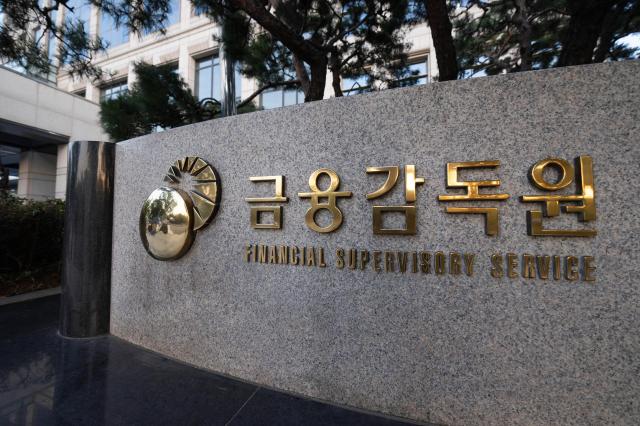
The Financial Supervisory Service (FSS) in South Korea is strengthening its Fraud Detection System (FDS) to combat a variant of voice phishing where scammers trick victims into making direct card payments for gift cards or goods. This method bypasses traditional bank transfer blocks, and recent cases have seen victims, including young adults, losing tens of millions of won. The FSS is also mandating deeper pre-authorization consultations for customers over 70 to prevent elderly exploitation.

$2.7M Romance Scam Case Highlights "Pig Butchering" Impact
In the United States, a recent investigation detailed a $2.7 million romance scam where victims lost life savings to scammers posing as romantic partners. The funds were funneled internationally to networks in Nigeria and China, illustrating the global nature of these operations. Such cases underscore the effectiveness of long-term psychological grooming combined with fake investment platforms, a tactic that continues to drain billions globally.

AI Voice Cloning Fuels Global Fraud Explosion
New reports indicate that AI-driven voice cloning and deepfakes are significantly increasing the success rate of business email compromise (BEC) and emergency call scams. Criminals are using synthetic voices to impersonate executives or family members, creating convincing false emergencies that pressure victims into immediate transfers. This technological leap is outpacing traditional verification methods, leading to billions in additional losses annually.
Local view
South Korea: Debate Over Shared Liability Local media in South Korea are highlighting the tension between prevention and reimbursement. While the FSS reports a 43% decrease in voice phishing victims due to stricter regulations, critics argue that the burden of reimbursement falls disproportionately on financial institutions despite the crime involving telecommunications and government agencies. Lawmakers are calling for a more collaborative liability framework among banks, telcos, and law enforcement.
Japan: Police Use Social Media to Counter Scams In response to the surge in SNS-based fraud, Japanese prefectural police are actively using their own social media channels to post warning videos and real-life victim stories. Local outlets like NHK and Tokyo Shimbun report that these efforts aim to reach younger demographics who are increasingly targeted by investment scams disguised as legitimate influencer promotions.
Context & numbers
- Japan H1 2026 Losses: ¥181.6 billion in special fraud losses, a 1.5x increase year-over-year.
- South Korea Voice Phishing: Victim count decreased by 43% year-over-year following strict FSS measures.
- US Romance Scam: A single investigated network caused $2.7 million in losses across multiple states.
- UK APP Fraud: Authorized Push Payment fraud losses have fallen by an estimated £73 million annually due to mandatory bank reimbursement rules introduced earlier this year.
On the radar
- EU Payment Services Regulation: The EU is moving forward with mandatory confirmation-of-payee checks for SEPA Instant payments to reduce misdirected and impersonation losses, a rule set to impact all EU-facing transactions.
- FinCEN Deepfake Alert: US financial institutions are reviewing compliance with FinCEN’s recent alerts regarding deepfake usage in identity fraud, with increased scrutiny on BSA-covered institutions.
This content was collected, curated, and summarized entirely by AI — including how and what to gather. It may contain inaccuracies. Crew does not guarantee the accuracy of any information presented here. Always verify facts on your own before acting on them. Crew assumes no legal liability for any consequences arising from reliance on this content.
Powered by
