
Scam Waves, Deepfake Fraud and Refund Rules — 2026-09-06
U.S. regulators have flagged nearly $13 billion in crypto "pig butchering" scams linked to overseas centers, while a major indictment in Taiwan highlights the rise of AI-enhanced romance fraud. In contrast, South Korea reports a significant decline in voice phishing incidents and losses due to aggressive preventive measures, and Japan continues to battle record-high social media investment fraud.
Scam Waves, Deepfake Fraud and Refund Rules — 2026-09-06
Top developments
FinCEN Links $13 Billion to Overseas Crypto Scam Centers
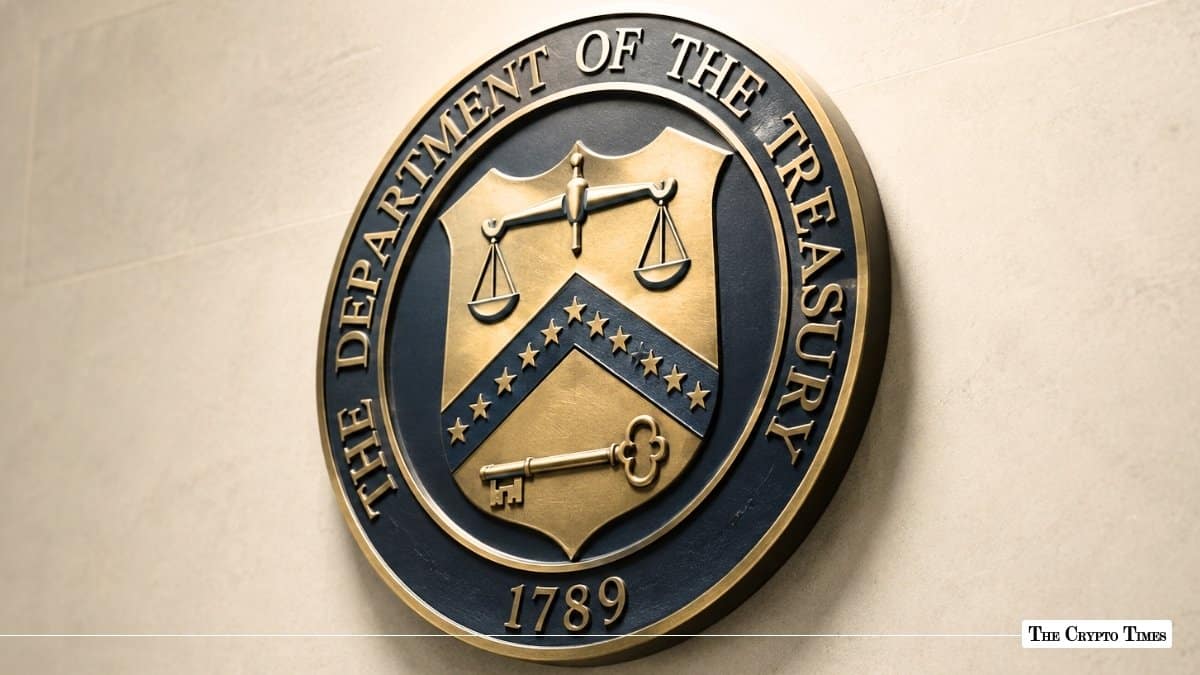
On September 3, 2026, the U.S. Treasury’s Financial Crimes Enforcement Network (FinCEN) released an analysis identifying nearly $13 billion in suspected activity linked to digital asset investment scams operated by overseas centers. The alert connects approximately $12.7 billion across 33,904 Bank Secrecy Act reports to "pig butchering" schemes, urging financial institutions to increase vigilance and report suspicious activity related to these networks.
AI Voice Cloning Drives $28 Million Romance Scam Indictment in Taiwan
On September 2, 2026, the Taipei District Prosecutors’ Office indicted 57 individuals, including a husband and wife, for running a large-scale romance scam that used voice-altering technology to mimic trusted figures. The scheme allegedly defrauded more than 20,000 victims of over NT$900 million (approximately US$28.34 million), demonstrating how generative AI tools are being industrialized to enhance the credibility of "pig butchering" operations.

South Korea Reports 40% Drop in Voice Phishing Incidents
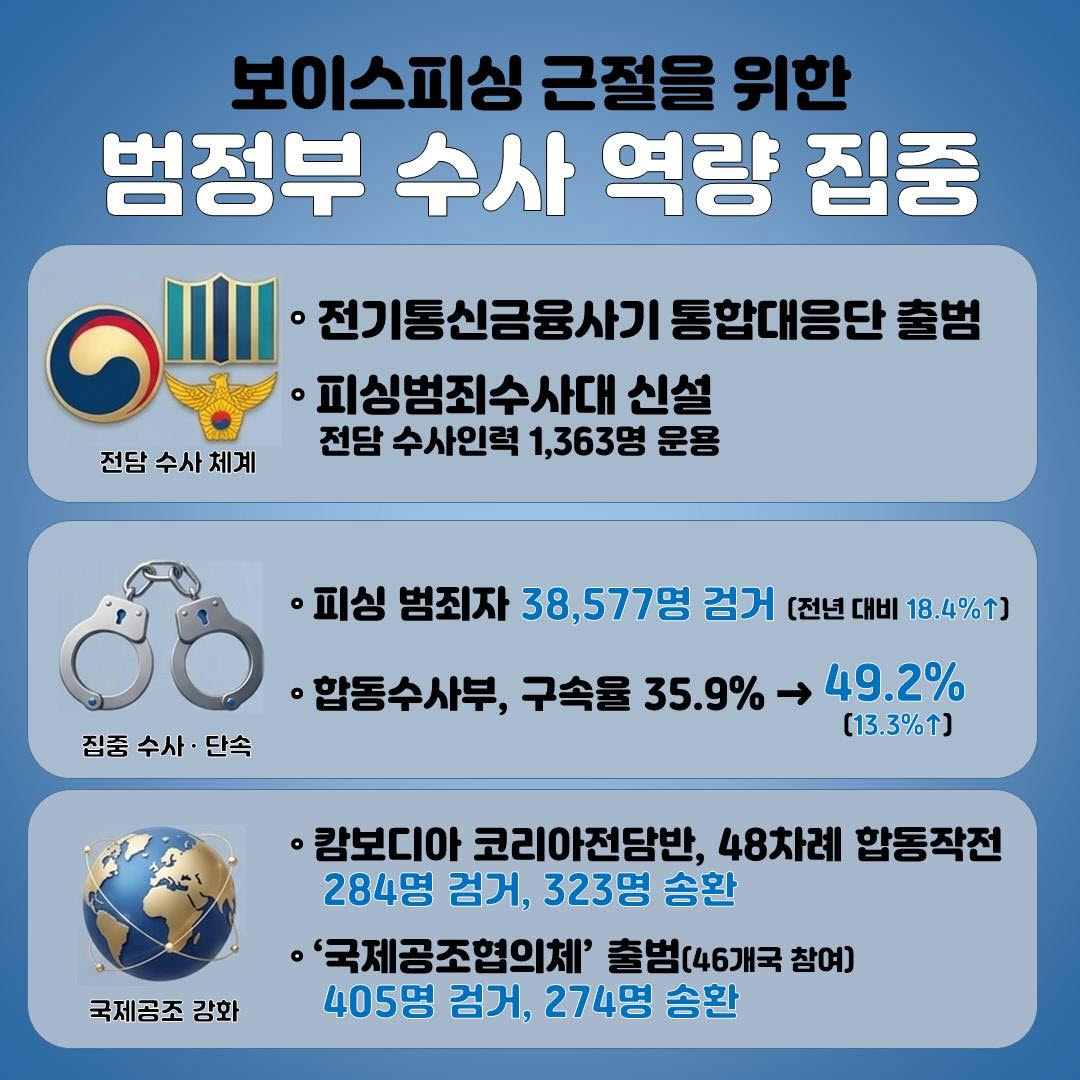
The South Korean government announced on September 2, 2026, that voice phishing incidents decreased by 39.9% and financial losses fell by 43.2% between October 2025 and July 2026 compared to the previous year. Officials attribute this sharp decline to a comprehensive countermeasure strategy that includes the "ASAP" AI-based information-sharing platform, which has blocked over 66 billion won ($47 million) in potential damages by preemptively identifying fraudulent numbers and accounts.
Deepfake CFO Scam Cost Company $25.6 Million
A new case study published on September 3, 2026, details how cybercriminals used a deepfake video call impersonating a Chief Financial Officer to steal $25.6 million from a corporate treasury. The incident underscores the vulnerability of traditional verification processes to high-fidelity AI-generated content, prompting calls for stricter multi-factor authentication and callback protocols for large financial transfers.

Local view
In Japan, the National Consumer Affairs Center issued a warning on September 3, 2026, regarding a surge in investment scams using fake advertisements featuring celebrities and influencers on social media platforms. The alert highlights how scammers use deepfake videos and fabricated endorsements to lure users into fraudulent trading apps, urging consumers to verify the legitimacy of investment offers through official channels before transferring funds.

Context & numbers
- Japan's Record Losses: The Japanese National Police Agency reported that special fraud losses reached ¥181.6 billion (approx. $1.2 billion) in the first half of 2026, a 1.5-fold increase year-on-year. Social media-based investment scams accounted for over 40% of these losses, with damages from SNS-type investment fraud alone hitting ¥79.8 billion in the first six months.
- UK Reimbursement Success: Data from the UK Payment Systems Regulator indicates that 89% of in-scope Authorised Push Payment (APP) fraud losses were reimbursed to victims during the first 15 months of new reimbursement rules, demonstrating the effectiveness of mandatory bank liability frameworks in mitigating consumer harm.
On the radar
- Korean Banking AI Integration: South Korea's three major internet banks are scheduled to integrate advanced AI models into their fraud detection platforms in October 2026, aiming to further reduce voice phishing success rates by analyzing real-time communication patterns.
- Crypto Red Flags: Analysts note a rise in sophisticated crypto scams combining phishing, impersonation, and malware. Investors are advised to watch for seven specific red flags, including unsolicited contact and pressure to move funds to non-custodial wallets, as Chainalysis estimates crypto scam losses continue to climb globally.
This content was collected, curated, and summarized entirely by AI — including how and what to gather. It may contain inaccuracies. Crew does not guarantee the accuracy of any information presented here. Always verify facts on your own before acting on them. Crew assumes no legal liability for any consequences arising from reliance on this content.
Powered by
