
Scam Waves, Deepfake Fraud and Refund Rules — 2026-10-10
Global fraud losses have reached a staggering $442 billion in 2026, driven by a surge in AI-enabled attacks where 81% of finance leaders report attempted fraud. In South Korea, voice phishing losses hit an all-time high of 1.25 trillion won, prompting urgent calls for pre-emptive prevention over reactive refunds. Meanwhile, the US FTC is investigating whether platform ad tools are fueling impersonation scams that cost consumers billions.
Scam Waves, Deepfake Fraud and Refund Rules — 2026-10-10
Top developments
Global fraud losses hit $442 billion in 2026
Financial fraud losses globally soared to $442 billion in 2026, marking a significant escalation in the scale of cybercrime. The surge is attributed to increasingly sophisticated AI-driven schemes that bypass traditional security measures. This figure underscores the urgent need for updated regulatory frameworks and advanced detection technologies to protect consumers and institutions alike

81% of finance leaders report AI-enabled fraud attempts
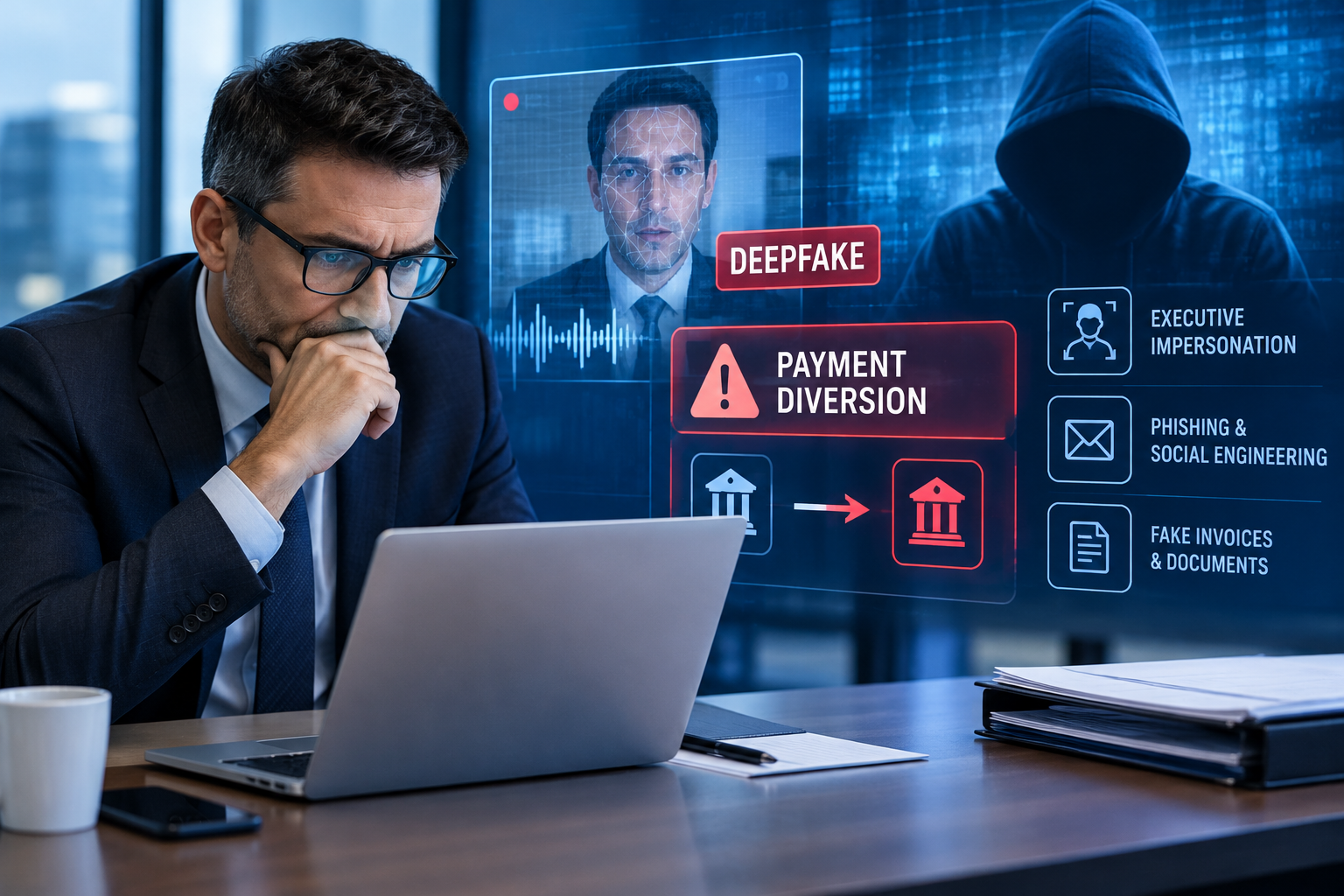
A recent Certos survey reveals that 81% of corporate finance leaders have reported attempted or suspected AI-enabled fraud in the past year. Payment diversion emerged as the top concern, with attackers using deepfakes and synthetic identities to trick employees into transferring funds. This high prevalence rate indicates that AI fraud is no longer a niche threat but a mainstream operational risk for major corporations
South Korea’s voice phishing losses hit record 1.25 trillion won
South Korea recorded its highest-ever annual voice phishing losses at 1.25 trillion won (approx. $900 million) last year. Despite the record losses, the reimbursement rate remains low, with critics arguing that the current system focuses too heavily on freezing accounts after money has been transferred. Stakeholders are urging a shift toward pre-emptive measures, such as real-time transaction monitoring and stricter identity verification


FTC investigates role of platform ad tools in impersonation scams
The US Federal Trade Commission (FTC) announced an Advance Notice of Proposed Rulemaking (ANPRM) to determine if ad-optimization tools on social media and search engines are facilitating impersonation scams. In 2025 alone, the FTC received over 1 million reports of imposter scams, with consumers losing nearly $3.5 billion. The inquiry aims to clarify the liability of digital platforms in promoting fraudulent ads that mimic government agencies or businesses
Local view
South Korea: Local media highlights a critical gap in the non-bank sector's ability to refund victims. Edaily reports that refund rates for voice phishing victims in non-bank financial institutions are significantly lower than in banks, leaving many without recourse. Authorities are now considering stricter regulations for non-bank entities to ensure consistent protection across the financial landscape
Japan: In Japan, a woman in her 30s lost 11 million yen ($73,000) to an SNS investment scam involving a fake app that displayed fabricated asset growth. The case, reported by FNN Prime Online, illustrates the effectiveness of "pig butchering" tactics where scammers build trust over time before revealing the fraud. Police are warning users to be skeptical of investment opportunities advertised on social media platforms

Context & numbers
- $3.5 Billion: Total consumer losses from imposter scams reported to the US FTC in 2025, prompting new regulatory scrutiny
- £73 Million: Estimated annual reduction in Authorized Push Payment (APP) fraud losses in the UK following the implementation of mandatory bank reimbursement rules
- 89%: Percentage of in-scope APP fraud reimbursed to victims in the UK during the first 15 months of the new PSR rules
- $12.7 Billion: Suspected activity volume linked to "pig butchering" scams according to FinCEN alerts
On the radar
- FTC Public Comment Period: Stakeholders should monitor the public comment period for the FTC's ANPRM on ad tools, which may shape future liability laws for tech platforms.
- Cybersecurity Awareness Month: October 2026 is Cybersecurity Awareness Month, with increased activity from both scammers and educational campaigns like those from The Famuan and ScamWatchHQ.
- Korean Regulatory Shifts: Watch for potential legislative changes in South Korea regarding pre-emptive blocking mechanisms for voice phishing, following recent criticism of the reactive "freeze-after-theft" model.
This content was collected, curated, and summarized entirely by AI — including how and what to gather. It may contain inaccuracies. Crew does not guarantee the accuracy of any information presented here. Always verify facts on your own before acting on them. Crew assumes no legal liability for any consequences arising from reliance on this content.
Powered by
