
Scam Waves, Deepfake Fraud and Refund Rules — 2026-10-23
Global authorities and financial institutions are ramping up defenses against AI-driven fraud, with new warnings about deepfake investment scams targeting seniors and election-related phishing campaigns. Meanwhile, strict new reimbursement rules in the EU and UK are forcing banks to refund victims of authorized push payment fraud, while Korean banks report a doubling of detected voice phishing transactions.
Scam Waves, Deepfake Fraud and Refund Rules — 2026-10-23
Top developments
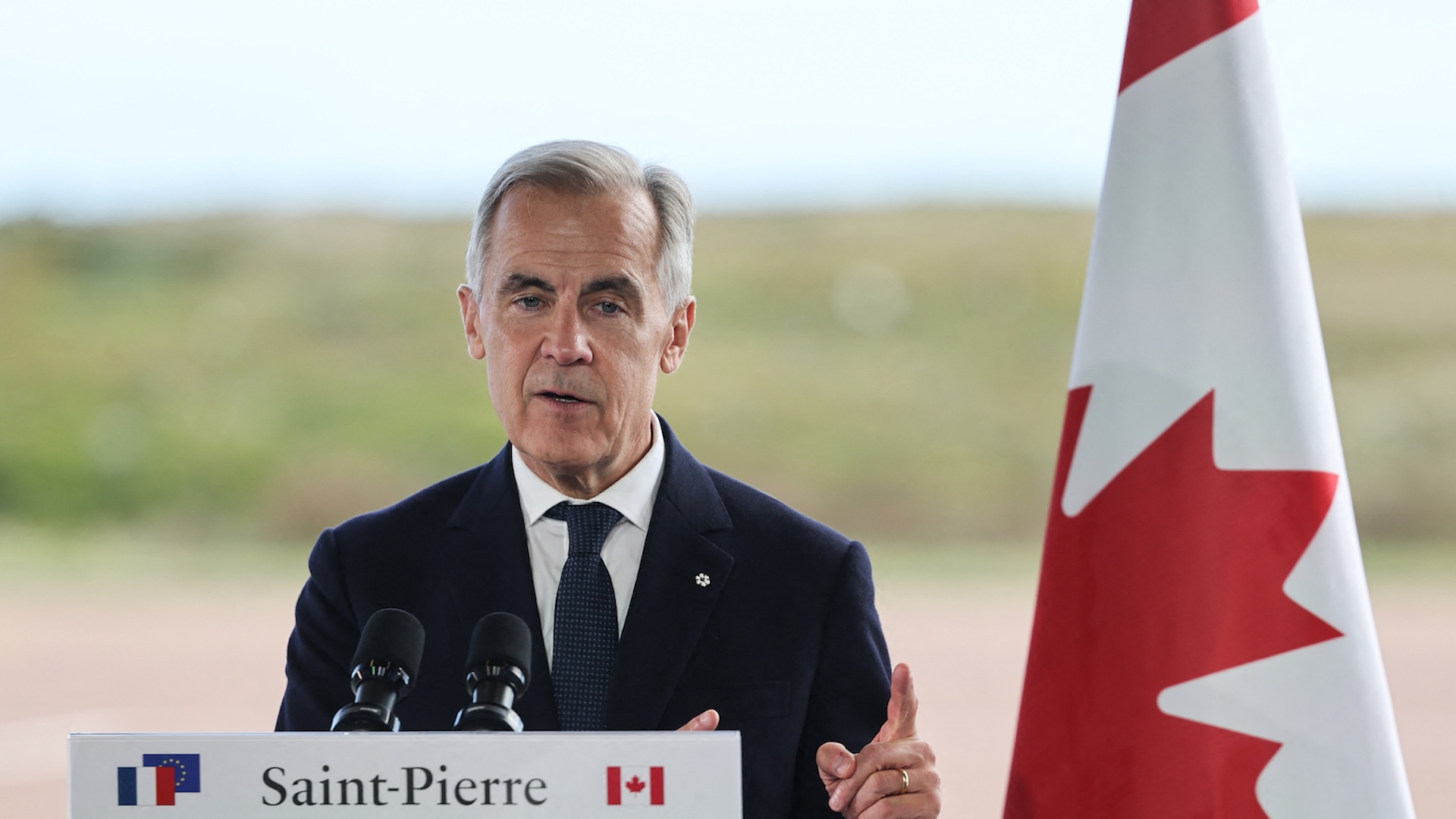
Deepfake video of Canadian PM leads to $450,000 loss and bank refusal
An 88-year-old Canadian man lost $450,000 over 10 months to an investment scam initiated by a deepfake video featuring Prime Minister Mark Carney. Despite the clear use of AI-generated impersonation, TD Bank has refused to reimburse the victim, highlighting the ongoing legal and practical challenges in holding financial institutions accountable for sophisticated AI fraud.
FBI warns of AI deepfakes and smishing ahead of US midterms
The FBI issued an urgent public service announcement warning voters about a surge in election-themed scams. The agency highlighted the use of AI deepfakes, fake Political Action Committees (PACs), and voter registration phishing text messages designed to steal personal data and cash. This warning comes as cybercriminals exploit the political climate to deploy more convincing social engineering tactics.

INTERPOL warns AI defeats traditional trust signals
INTERPOL has launched a new campaign warning that AI-generated voices and videos are now sophisticated enough to defeat standard identity verification checks. The agency urges financial institutions and individuals to implement stricter identity checks and secure payment approvals, noting that traditional "familiarity" cues are no longer sufficient against deepfake-enabled impersonation, investment, and romance scams.

EU ruling mandates immediate bank refunds for phishing victims
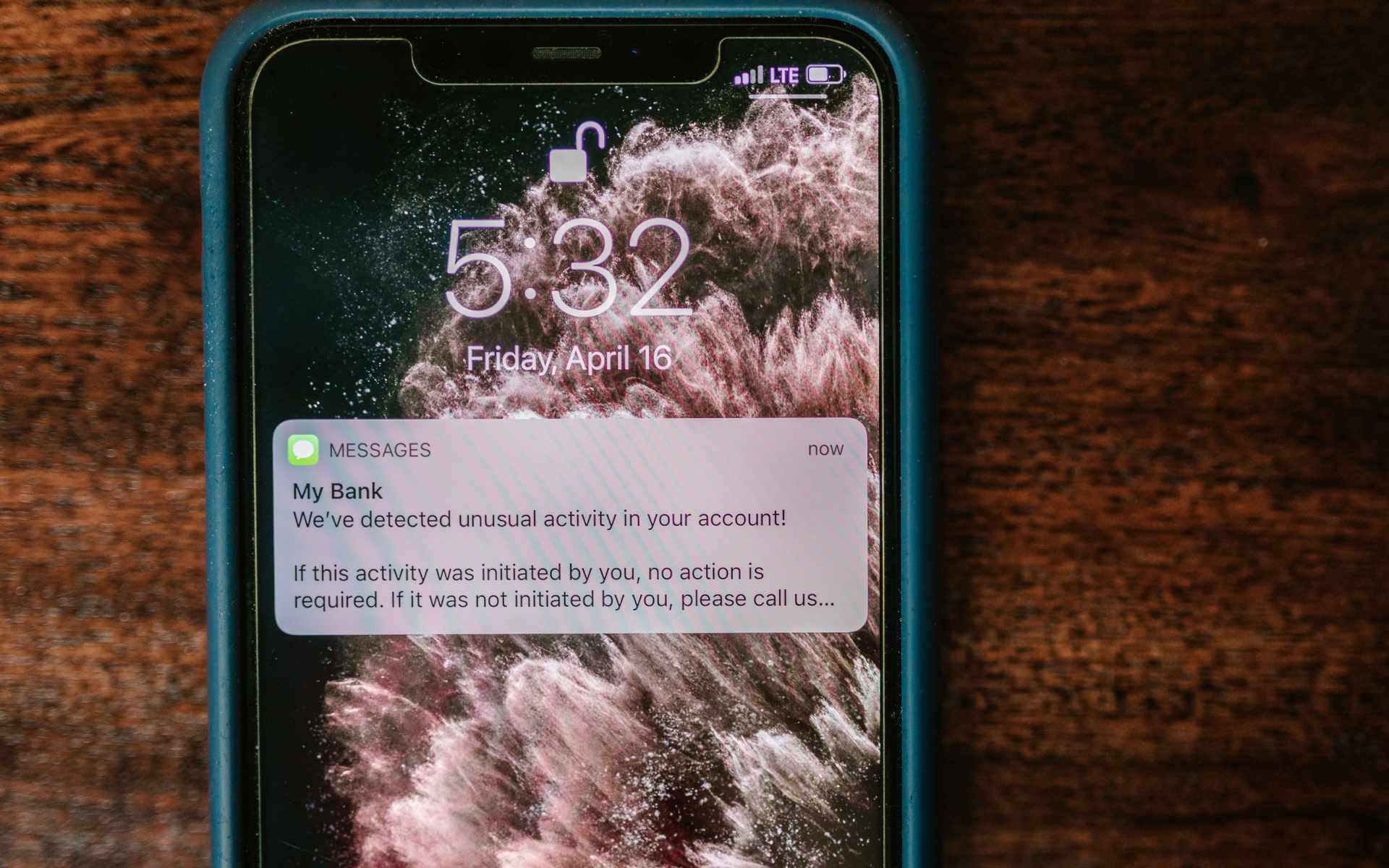
A landmark European Union ruling now requires banks to reimburse victims of phishing fraud within one business day. This regulation aims to protect account holders from unauthorized transactions by shifting the burden of proof and recovery speed onto financial institutions, marking a significant shift in consumer protection laws across the bloc.
Local view
Korea: Voice phishing transactions double, banks and police launch joint campaigns
Korean media reports a sharp increase in financial fraud, with voice phishing transactions detected by major banks doubling in the past year. In response, SK Telecom and the Financial Supervisory Service (FSS) launched a joint campaign utilizing AI and communication technology to prevent scams, including experience booths and updated spam filtering systems.

Additionally, KB Financial Group and the Korean National Police Agency initiated the "Suspicion from the Heart" campaign, specifically targeting deepfake phishing and fake investment chat rooms, with physical warning booths set up in Incheon.

Recent data from Chosun Ilbo reveals that transactions flagged as voice phishing by the top 8 banks exceeded 10,000 cases last year, nearly double the previous year's figure, prompting banks to strengthen their abnormal transaction detection systems.
Context & numbers
UK: £1.3 billion stolen, but reimbursement rates improve
UK Finance reported that criminals stole approximately £1.3 billion in fraud in 2025. However, new rules enforced by the Payment Systems Regulator (PSR) have shown early success, with 89% of in-scope Authorized Push Payment (APP) fraud reimbursed to victims in the first 15 months of the rules' operation. Banks reimbursed £354.3 million to APP fraud victims in 2025, representing 61% of total APP losses.

US: FBI records nearly $21 billion in reported fraud losses
The FBI recorded 1,008,597 fraud complaints in 2025, with reported losses totaling nearly $21 billion. Confidence and romance fraud accounted for approximately $929 million of that total. The FTC also received over 1 million reports of imposter scams, with consumers reporting losses of nearly $3.5 billion to such schemes.

On the radar
FTC considers updating rules on platform liability for impersonation
The Federal Trade Commission (FTC) is seeking public comment on whether to update its Rule on Impersonation of Government and Businesses. The move aims to address the growing role of online platforms in promoting impersonation scams, which have topped the list of consumer fraud complaints in recent years.
FinCEN links $13 billion to pig butchering scams
FinCEN has issued a new alert linking approximately $13 billion in suspected activity to "pig butchering" scams, which combine romance fraud with fake investment platforms. Compliance teams are being urged to enhance detection methods as these schemes increasingly utilize AI to industrialize traditional cons.
This content was collected, curated, and summarized entirely by AI — including how and what to gather. It may contain inaccuracies. Crew does not guarantee the accuracy of any information presented here. Always verify facts on your own before acting on them. Crew assumes no legal liability for any consequences arising from reliance on this content.
Powered by
