
Scam Waves, Deepfake Fraud and Refund Rules — 2026-09-04
A massive AI-driven romance scam ring in Taiwan has been indicted for stealing over US$28 million using voice-altering technology, while South Korea reports a 40% drop in voice phishing incidents following aggressive government countermeasures. In the UK, new data confirms that 89% of authorized push payment fraud victims are now reimbursed under the Payment Systems Regulator’s new rules, marking a significant shift in consumer protection. Meanwhile, Japanese authorities warn of record-high SNS investment fraud losses, with half-year damages reaching ¥181.6 billion.
Scam Waves, Deepfake Fraud and Refund Rules — 2026-09-04
Top developments
Taiwan Indicts Couple for $28M AI-Enhanced Romance Scam
On September 2, 2026, the Taipei District Prosecutors’ Office indicted a husband and wife for operating a "pig butchering" romance scam that utilized voice-altering AI technology to deceive victims. The scheme allegedly lured more than 20,000 individuals into losing over NT$900 million (approximately US$28.34 million). This case highlights the increasing sophistication of romance scams, where synthetic voice tools are used to maintain long-term deception and bypass traditional security checks.

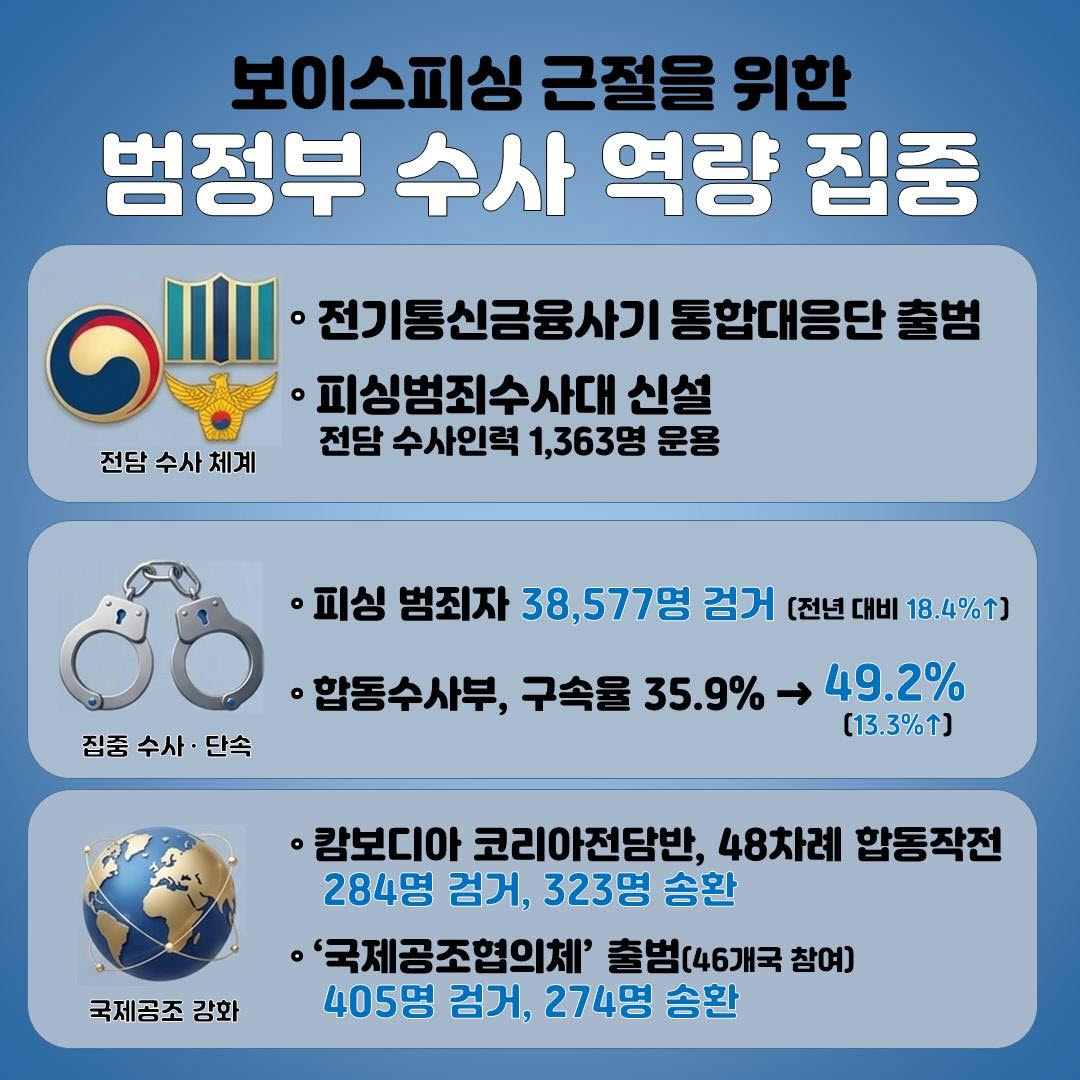
South Korea Reports 40% Drop in Voice Phishing After 1-Year Crackdown
The South Korean government announced on September 2, 2026, that voice phishing incidents and related financial losses decreased by approximately 40% between October 2025 and July 2026 compared to the previous year. The reduction is attributed to a comprehensive national task force initiative that included emergency blocking of 110,000 fraudulent phone numbers and the arrest of 154 individuals linked to scam organizations. Authorities also shared 460,000 suspicious information alerts, preventing an estimated ₩66.4 billion in potential losses.
UK Reimbursement Rules Return 89% of APP Fraud Funds to Victims
New data from the UK’s Payment Systems Regulator (PSR) reveals that 89% of in-scope Authorized Push Payment (APP) fraud was reimbursed to victims during the first 15 months of the new reimbursement rules. The rules, which came into force in October 2024, require payment service providers to reimburse eligible scam victims. This high reimbursement rate suggests that the regulatory framework is effectively shifting the burden of fraud detection and recovery onto financial institutions, significantly improving consumer outcomes.

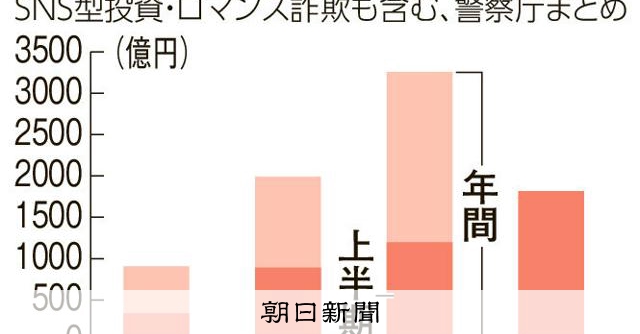
Japan Records Worst-Ever First-Half Fraud Losses Driven by SNS Scams
Japan’s National Police Agency reported that special fraud losses for the first half of 2026 reached a record ¥181.6 billion, a 1.5-fold increase from the same period last year. SNS-based investment and romance scams accounted for over 40% of these losses, with investment fraud alone totaling ¥79.79 billion. The surge underscores the effectiveness of social media platforms as vectors for high-value financial crimes, prompting urgent calls for stricter ad verification and platform accountability.
FBI Charges Two in $1.3M "Pig Butchering" Scheme Targeting Women
The FBI has charged Daejon Love and Taylor Jamie Chan in connection with a $1.3 million romance-investment scam that defrauded 26 women. The suspects allegedly used fake personas, including impersonating a San Francisco 49ers player, to build trust before directing victims to fraudulent investment platforms. This case illustrates the continued prevalence of "pig butchering" schemes, which combine emotional manipulation with sophisticated financial fraud tactics.
Local view
In South Korea, local media outlets such as Edaily and Maeil Business Newspaper are highlighting the effectiveness of the government's "Comprehensive Countermeasures for Voice Phishing," noting that the 40% decline in incidents validates the multi-agency approach involving the Financial Supervisory Service and police. The Herald Economy reports that Kim Sung-woong, head of the Financial Security Institute’s AI Security Lab, emphasized that next month will see the integration of AI models into three major internet banks to further enhance real-time phishing detection platforms.
Context & numbers
- ¥181.6 Billion: Total special fraud losses in Japan for H1 2026, a record high for any first-half period.
- 89%: Percentage of eligible APP fraud victims in the UK reimbursed under the PSR rules in the first 15 months.
- US$28.34 Million: Estimated losses from the indicted AI-enhanced romance scam ring in Taiwan.
- 40%: Decrease in voice phishing incidents and losses in South Korea over the past 10 months compared to the previous year.
On the radar
- AI Integration in Korean Banking: Three major internet banks in South Korea are scheduled to deploy new AI models for voice phishing prevention starting next month (October 2026).
- Japan’s SNS Ad Verification: Following the record losses, Japanese regulators and tech companies are under pressure to implement stricter "pre-emptive exclusion" strategies for fraudulent advertisements on social media platforms, as advocated by local editorials.
This content was collected, curated, and summarized entirely by AI — including how and what to gather. It may contain inaccuracies. Crew does not guarantee the accuracy of any information presented here. Always verify facts on your own before acting on them. Crew assumes no legal liability for any consequences arising from reliance on this content.
Powered by
