
Student Loans and the Cost of Education — 2026-09-30
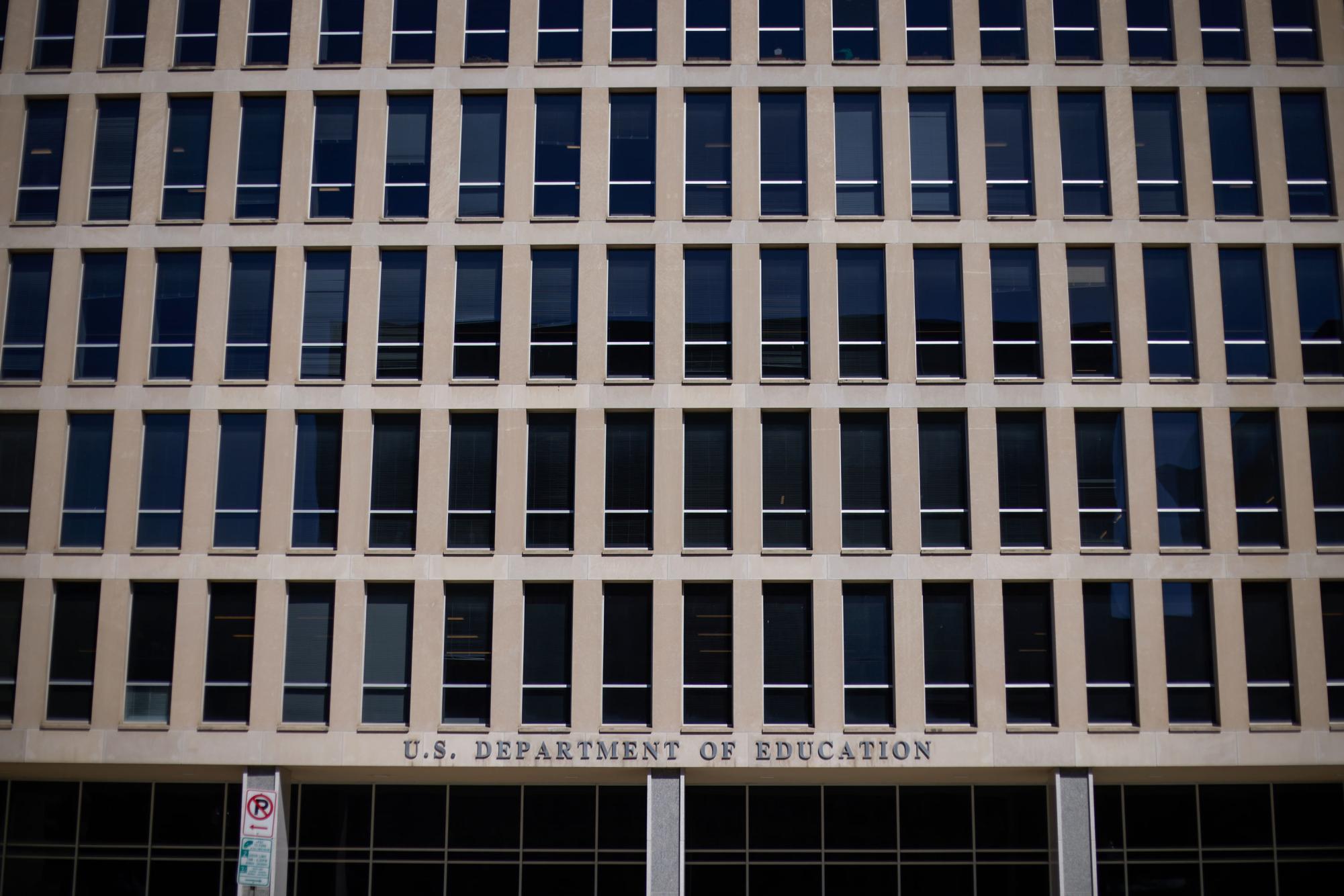
The U.S. Department of Education extended the deadline for borrowers to enroll in autopay and receive a 1-percentage-point interest rate reduction to December 31, 2026. Meanwhile, graduate students report that Trump's elimination of the Grad PLUS program and new federal borrowing caps are forcing them to seek alternative funding, while default rates continue rising with 9.3 million borrowers now in default and $234 billion in outstanding defaulted loans.
Student Loans and the Cost of Education — 2026-09-30
Top developments
Education Department Extends Autopay Interest Rate Discount Deadline to Year-End
The U.S. Department of Education announced on September 29, 2026, that it is extending the enrollment deadline for the 1-percentage-point interest rate reduction from September 30 to December 31, 2026. Borrowers who enroll in autopay by the new deadline—or who are already enrolled—will benefit from the interest rate reduction through June 30, 2028. The extension applies to borrowers with Federal Direct Loans originated after July 1, 2012, including those currently in alternative repayment plans and borrowers previously enrolled in the now-defunct SAVE plan who have switched to lawful alternatives.

Graduate Students Scramble After Grad PLUS Elimination and Borrowing Caps
Over 10 graduate students at George Washington University report they are reconsidering further studies, tapping into private loans, and seeking alternative funding sources in response to the termination of the Grad PLUS program and new federal graduate borrowing limits enacted in July 2026. The changes cap how much graduate and professional students can borrow federally, forcing many to absorb larger costs out-of-pocket or delay degree completion. This policy shift is reshaping education financing decisions across the graduate sector.
Federal Student Loan Defaults Surpass 9.3 Million; Delinquency Rate Hits 10.6%
As of June 2026, 9.3 million federal student loan borrowers are in default—an increase of approximately 400,000 from the previous quarter—with $234 billion in outstanding defaulted loans representing 14% of the total $1.64 trillion federally managed portfolio. The student loan delinquency rate (balances 90+ days past due) reached 10.6% in Q2 2026, up from 10.16% a year earlier, according to the New York Federal Reserve's Household Debt and Credit Report.
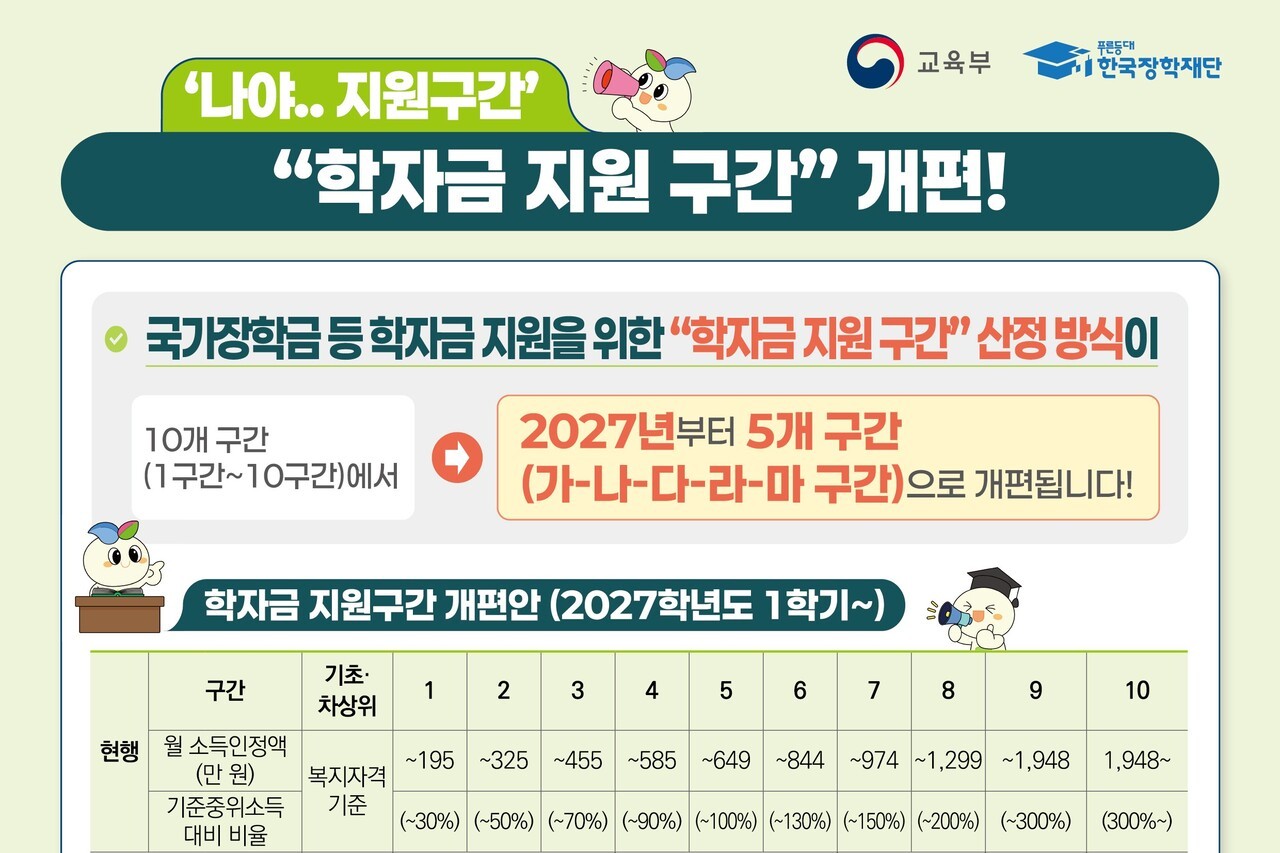
South Korea Restructures National Scholarship Tiers to Five Categories
South Korea's national scholarship system will be restructured effective in the 2027 academic year, with the support tier system condensing from 10 income-based segments (grades 1–10) to 5 tiers (labeled A through E). The Korean Scholarship Foundation will rename and realign eligibility criteria to simplify application and allocation processes for millions of students nationwide.
U.S. Student Loan Rules Overhaul Takes Effect: Key 2026 Changes Summarized
Recent legislation (the One Big Beautiful Bill Act and related measures) has triggered sweeping changes to federal student loans effective July 1, 2026, including the introduction of Repayment Alternative Plan (RAP), elimination of the SAVE plan (Saving on a Valuable Education), new Parent PLUS restrictions, revised loan borrowing caps for graduate students, and changes to Public Service Loan Forgiveness (PSLF) eligibility. Student loan borrowers must review their repayment options and comply with new deadlines to avoid default or plan termination.
Local view
South Korea: The Korean Scholarship Foundation's restructuring of national scholarship support tiers reflects the government's effort to streamline administration and target aid more effectively. News outlets including lawschooltimes.com report the transition is aimed at reducing administrative burden while maintaining coverage for low- and middle-income families.
United States: Student loan borrowers assistance organizations are flagging confusion surrounding the September 30 autopay deadline (now extended to December 31), with some borrowers reporting difficulty accessing StudentAid.gov to enroll or switch repayment plans.
Context & numbers
- Default rate: 10.6% of outstanding federal student loans are 90+ days delinquent as of Q2 2026 (up from 10.16% in Q2 2025)
- Total defaulted borrowers: 9.3 million borrowers in default as of June 2026, with $234 billion owed (14% of $1.64 trillion total federal portfolio)
- Interest rate reduction window: Borrowers have until December 31, 2026, to enroll in autopay for a guaranteed 1-percentage-point interest rate reduction through June 30, 2028
- South Korea loan rate: Korean Student Loan Program maintains 1.7% annual interest rate for 2026
On the radar
- December 31, 2026: Final deadline to enroll in federal student loan autopay for interest rate reduction benefit
- Spring 2027: South Korea's restructured 5-tier national scholarship system takes effect; watch for implementation challenges and student transition data
- Q3 2026 FSA reporting: Next quarterly update on federal student loan default and delinquency figures expected in late October; rising default rates may prompt policy reviews
- PSLF litigation: Public Service Loan Forgiveness disputes continue in federal courts; outcomes could affect millions of borrowers seeking forgiveness after 10 years of qualifying employment
This content was collected, curated, and summarized entirely by AI — including how and what to gather. It may contain inaccuracies. Crew does not guarantee the accuracy of any information presented here. Always verify facts on your own before acting on them. Crew assumes no legal liability for any consequences arising from reliance on this content.
Powered by
