
Student Loans and the Cost of Education — 2026-09-14
As the September deadline for transitioning off the defunct SAVE plan looms, millions of U.S. borrowers face urgent decisions to avoid being forced into the most expensive repayment options. Meanwhile, the UK government has moved to clarify student loan terms following criticism over repayment threshold freezes, and a new House bill aims to streamline Public Service Loan Forgiveness.
Student Loans and the Cost of Education — 2026-09-14
Top developments
Urgent Deadline for SAVE Plan Transitions in the U.S.
The first batch of student-loan borrowers faces a critical end-of-September deadline to transition from the defunct SAVE repayment plan to new options. If they fail to take action, these borrowers risk being forced into the most expensive repayment plans available, significantly increasing their monthly financial burden. This transition is part of the broader overhaul of federal student loan rules effective July 1, 2026.
New Trump Administration Repayment Rules Create Urgency
Millions of borrowers are navigating tight deadlines to switch from the SAVE plan while evaluating potential interest rate reductions offered by the Trump administration. The new rules create a sense of urgency as borrowers must decide between various income-driven repayment options or standard plans before automatic transitions occur. The administration’s changes aim to simplify the system but have introduced complexity for those with existing debt structures.

UK Government Clarifies Student Loan Terms After Backlash
Following criticism regarding a three-year freeze on repayment thresholds in England, the UK government announced it will offer clearer guidance on student loans. The updated guidance will explicitly state that government rules can change and that career choices directly affect repayment amounts. This move aims to address concerns about transparency and the long-term impact of fixed thresholds on graduates' finances.

Public Service Loan Forgiveness Inclusion Act Introduced
On September 4, 2026, the Public Service Loan Forgiveness Inclusion Act was introduced in the U.S. House of Representatives. If passed, this bill would make loan forgiveness easier and quicker for many borrowers by expanding eligibility criteria. This legislative effort comes amid ongoing legal and administrative challenges to the PSLF program, including recent appeals by the Department of Education regarding employer qualifications.

Local view
In South Korea, local media and university stakeholders are focusing on regional support systems for student debt. The Iksan City government announced in early September its plan to subsidize interest on student loans for university students and graduate students residing in the area. This initiative covers interest accrued in the first half of 2026 for loans received through the Korea Student Aid Foundation since 2017, aiming to alleviate financial pressure on local students.
Context & numbers
Federal student loan interest rates for the 2026-2027 academic year have increased, with undergraduate loans now at 6.52%, Direct Unsubsidized Loans for graduate students at 8.07%, and Parent and Grad PLUS Loans at 9.07%. These higher rates coincide with stricter repayment rules and the elimination of certain income-driven plans, impacting the total cost of borrowing for new students.
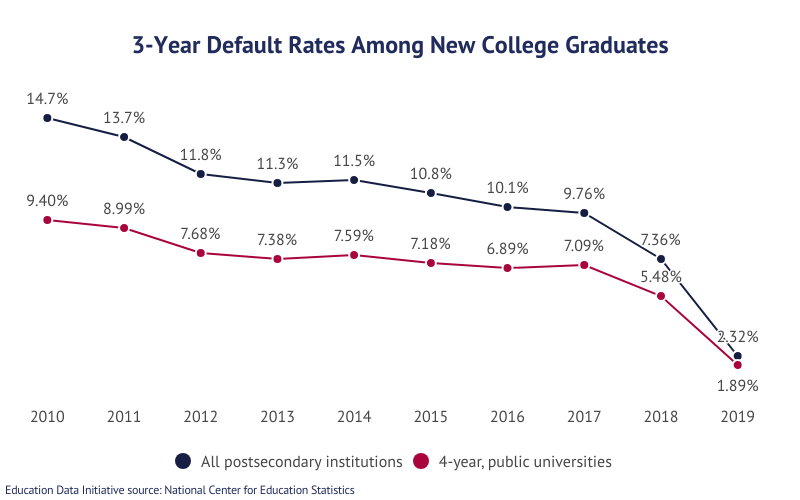
Additionally, data indicates that 8.931 million federal student borrowers had loans at least 30 days delinquent as of Q1 2026, while 10.56% of outstanding federal student loan debt was in default at the end of 2025. These figures highlight the ongoing strain on borrowers as they navigate the post-pandemic repayment landscape and new regulatory changes.
On the radar
- End-of-September Deadline: Borrowers currently in the SAVE plan must actively choose a new repayment plan by the end of this month to avoid automatic assignment to potentially more expensive options.
- PSLF Buyback Calculations: Updates regarding Public Service Loan Forgiveness (PSLF) buyback calculations and stricter deadlines are being monitored by borrower advocates as they could impact forgiveness timelines for public sector employees.
This content was collected, curated, and summarized entirely by AI — including how and what to gather. It may contain inaccuracies. Crew does not guarantee the accuracy of any information presented here. Always verify facts on your own before acting on them. Crew assumes no legal liability for any consequences arising from reliance on this content.
Powered by
