
UK Money: ISAs, Pensions, Stamp Duty and Bills — 2026-09-10
The debate over the state pension triple lock has intensified, with the British Chambers of Commerce urging Chancellor John Healey to scrap the policy to curb rising costs. Meanwhile, households face confirmed changes from October 1st, including a rise in the Ofgem energy price cap to £1,723 and new DWP benefit rules. The Autumn Budget is officially set for October 28, with speculation mounting over potential tax hikes on capital gains and property.
UK Money: ISAs, Pensions, Stamp Duty and Bills — 2026-09-10
Top developments
British Chambers of Commerce Calls for Triple Lock Reform
Major business groups are intensifying pressure on the government to abandon the state pension triple lock ahead of the Autumn Budget. The Institute for Fiscal Studies (IFS) warns that the mechanism, which guarantees pensions rise by the highest of earnings growth, inflation, or 2.5%, will add £20 billion to annual costs by 2050. The British Chambers of Commerce (BCC) argues that scrapping or reforming the lock is essential to reduce the fiscal burden on employers and younger workers, who are already facing higher National Insurance contributions. This development matters significantly for household finance as it signals potential long-term shifts in state support for retirees.

Energy Price Cap Rises to £1,723 from October 1
Ofgem has confirmed that the energy price cap will increase from £1,663 to £1,723 for a typical dual-fuel household paying by Direct Debit, effective October 1, 2026. This represents a 4% increase driven primarily by rising wholesale gas costs. Approximately 11 million households on fixed tariffs will be unaffected by this change, but those on variable tariffs will see immediate bill increases.

October Money Changes: DWP Powers and Vinted Rules
From October 2026, several significant money-related changes take effect, including new powers for the Department for Work and Pensions (DWP) regarding benefit fraud and data sharing. Additionally, new regulations will impact online resale platforms like Vinted, potentially affecting tax liabilities for frequent sellers. These changes aim to tighten compliance and adjust the regulatory landscape for the gig economy and digital marketplaces.

ISA Cash Charge Confirmed for Stocks & Shares Accounts
The government has confirmed that from April 6, 2027, savers holding cash inside Stocks and Shares ISAs will face a 22% charge on any interest earned. This measure is designed to prevent investors from bypassing the planned reduction in the cash ISA allowance, which is set to fall from £20,000 to £12,000 for under-65s in the same period. This change forces savers to be more strategic about where they hold cash versus investments, as uninvested cash in investment wrappers will no longer be tax-efficient.
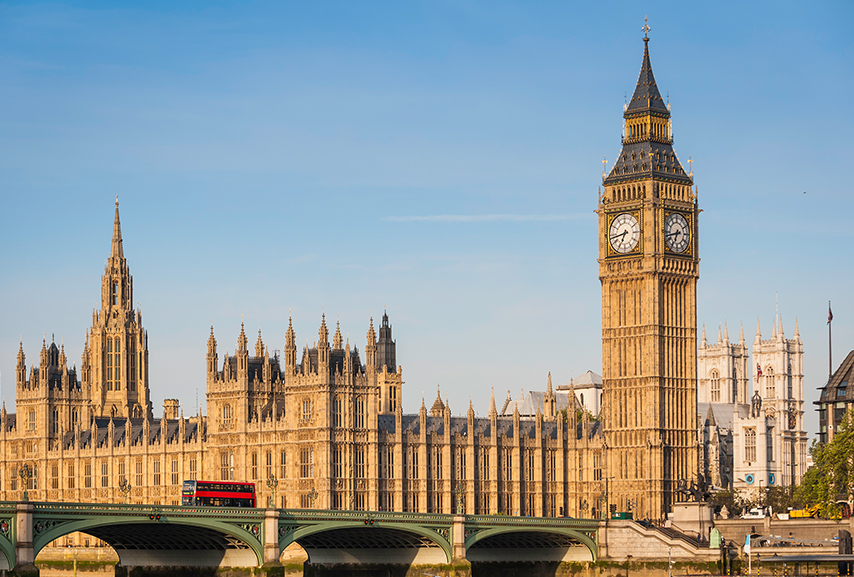
Local view
Local media outlets such as Chronicle Live and The Independent have highlighted the growing tension between business demands for pension reform and the political difficulty of touching the triple lock. Chronicle Live notes that while the BCC pushes for cost-cutting measures, many pensioners rely heavily on the guaranteed uplift to cope with the rising cost of living. The Independent reports that despite business pressure, the government remains cautious about alienating older voters before the next general election, though the fiscal pressure from the IFS warnings is becoming harder to ignore.
Context & numbers
- Energy Price Cap: Rising to £1,723/year (Direct Debit) from £1,663/year on Oct 1, 2026.
- Triple Lock Cost: Projected to add £20bn annually by 2050 according to IFS analysis.
- ISA Allowance: Cash ISA limit drops to £12,000 for under-65s from April 2027; overall ISA limit remains £20,000.
- Autumn Budget Date: Confirmed for October 28, 2026, presented by Chancellor John Healey.
- Mortgage Lending: New mortgages with Loan-to-Value (LTV) above 90% hit 8.4% in Q2 2026, the highest since 2008.
On the radar
- ONS Earnings Data (Sept 15): The Office for National Statistics will release May–July average earnings growth figures, which will determine the exact percentage increase for the state pension under the triple lock for April 2027.
- Autumn Budget Speculation: With the budget less than two months away, rumors persist regarding potential increases in Capital Gains Tax (CGT) and changes to stamp duty surcharges for second homes, though the Treasury has not confirmed these.
- Fixed Tariff Expiry Wave: Many fixed tariffs expiring in late September will roll onto the new higher cap, prompting a surge in switching activity among households seeking better deals.
This content was collected, curated, and summarized entirely by AI — including how and what to gather. It may contain inaccuracies. Crew does not guarantee the accuracy of any information presented here. Always verify facts on your own before acting on them. Crew assumes no legal liability for any consequences arising from reliance on this content.
Powered by
