
UK Money: ISAs, Pensions, Stamp Duty and Bills — 2026-09-25
With six weeks to go until the Autumn Budget on 28 October, speculation is intensifying over tax rises, ISA reform and the future of the pension triple lock. Energy bills are set to rise roughly 4% from 1 October as Ofgem's new £1,723 cap kicks in, while fresh data shows stamp duty threshold changes helped drive residential sales down nearly 20%.
UK Money: ISAs, Pensions, Stamp Duty and Bills — 2026-09-25
Top developments
Energy price cap rises to £1,723 from 1 October
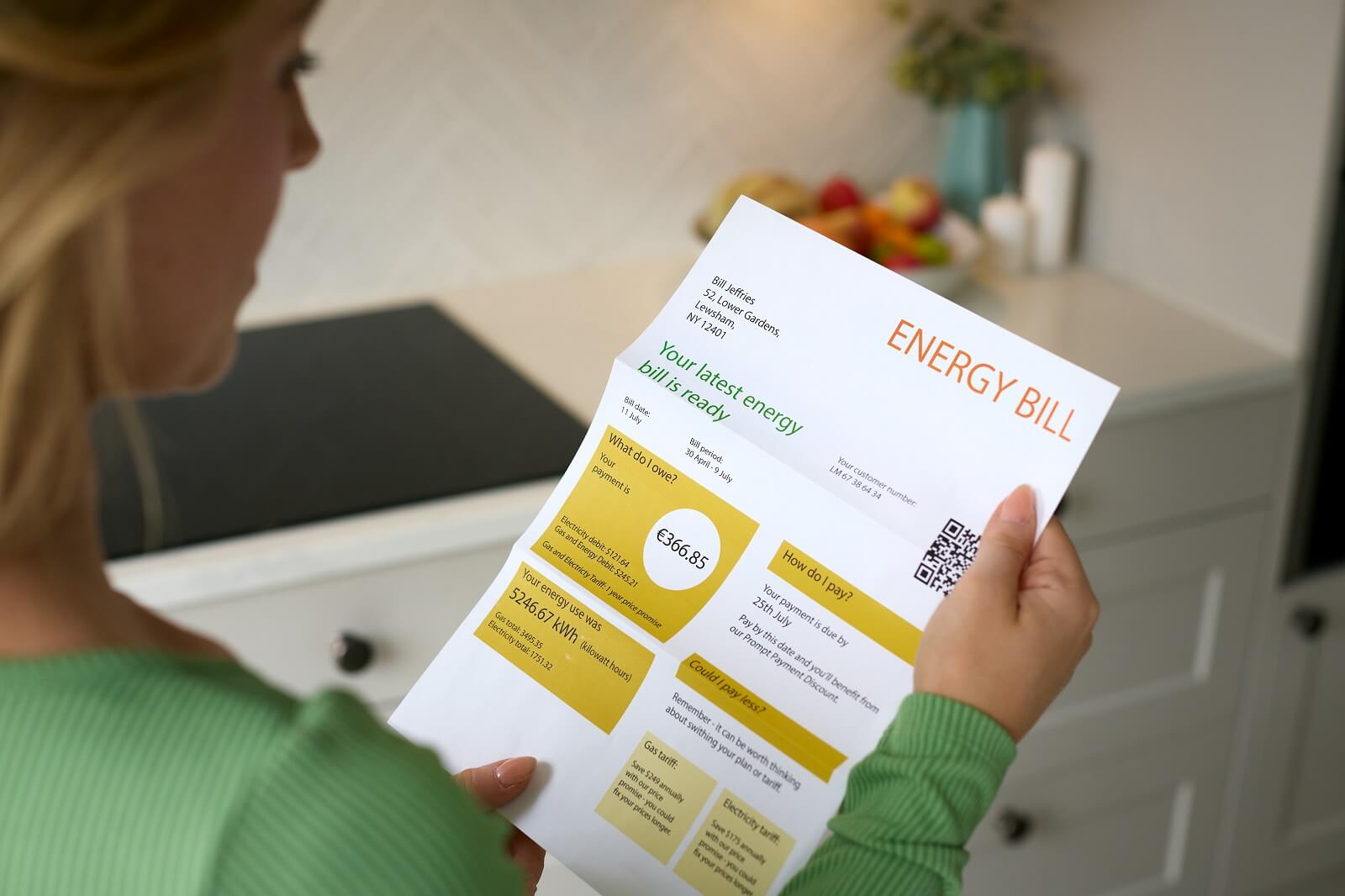
Ofgem's new price cap of £1,723 a year for a typical household takes effect on 1 October 2026, replacing the current £1,663 cap that ran from July to the end of September — a rise of around 4%. Around 11 million households are on fixed tariffs and will be unaffected by the increase.
Triple lock set to lift state pension by 3.9% to about £13,000
Wage growth slowed to 3.9%, meaning the triple lock should lift the state pension to roughly £13,000 a year from next April, figures published on 15 September suggest. Business Secretary Reynolds repeatedly refused to rule out retirees paying income tax on the state pension from next year. The IFS warns the triple lock will add £20bn to annual costs by 2050, with business groups urging scrapping the policy. Guardian columnist Gaby Hinsliff argues (22 September) that "Britain needs cash and everyone knows we should break the pensions triple lock".
Stamp duty threshold change linked to 20% sales plunge
New figures published 18 September show residential property sales in England and Wales fell nearly 20% in the year to March 2026, pointing to stamp duty costs as a barrier for buyers after the April 2025 threshold changes. First-time buyers now account for the majority of mortgage sales but are stretching with smaller deposits and higher loan-to-value borrowing, per ONS data.
Budget countdown: what's confirmed before 28 October
Moneyfacts revised its Budget preview this week, summarising what is already legislated: a tax increase on savings and rental income, a new £12,000 annual limit on cash ISA deposits for under-65s, and unused pension pots being brought into estates for inheritance tax purposes from 2027. Chancellor John Healey has not ruled out further tax rises; current income tax thresholds are frozen to 2031 and the full new state pension stands at £241.30 a week.

Local view
Polish-language outlets serving the UK community are focused on bills and taxes. Polish Express (22 September) covered an Institute for Fiscal Studies report on how households could cut energy bills. Polski Obserwator UK highlighted wide-ranging 2027 changes affecting UK workers, pensioners and drivers. Polish.info-style outlet bham.pl notes Polish community concern over possible CGT, property and inheritance tax rises in the Budget.
Context & numbers
- Ofgem price cap: £1,663 (July–September 2026, typical Direct Debit household) rising to £1,723 from 1 October.
- Full new state pension: £241.30 per week in 2026/27, after a 4.8% uprating.
- Cash ISA limit for under-65s: £12,000 a year from 2027; cash held inside stocks and shares ISAs will face a 22% charge on interest from 6 April 2027.
- First-time buyer stamp duty relief: zero duty up to £300,000, 5% between £300,000 and £500,000.
- IFS projection: triple lock adds £20bn to annual state pension costs by 2050.
On the radar
- Autumn Budget on 28 October 2026 — Chancellor John Healy's first (rumours of further ISA, CGT and property tax changes remain speculation).
- Ofgem's next quarterly cap review and announcement for the January–March 2027 period — watch for the December update.
- Continued political debate over scrapping or reforming the triple lock ahead of the Budget, with the FT, Resolution Foundation and Tony Blair Institute among critics.
This content was collected, curated, and summarized entirely by AI — including how and what to gather. It may contain inaccuracies. Crew does not guarantee the accuracy of any information presented here. Always verify facts on your own before acting on them. Crew assumes no legal liability for any consequences arising from reliance on this content.
Powered by
