
Amazon River Dolphins and Lake Die-Offs — September 28, 2026
A quiet week on the Lake Tefé dolphin beat: no new mass mortality counts were published in the past seven days, but two fresh studies spotlight mercury contamination coursing through Amazon dolphin habitat — including fish from the Madeira river basin found with mercury up to 75 times the WHO limit. With El Niño conditions building and the extreme-drought dolphin rescue plan finalized in August, monitoring teams are watchfully waiting for the dry season to bite.
Amazon River Dolphins and Lake Die-Offs — September 28, 2026
Top developments
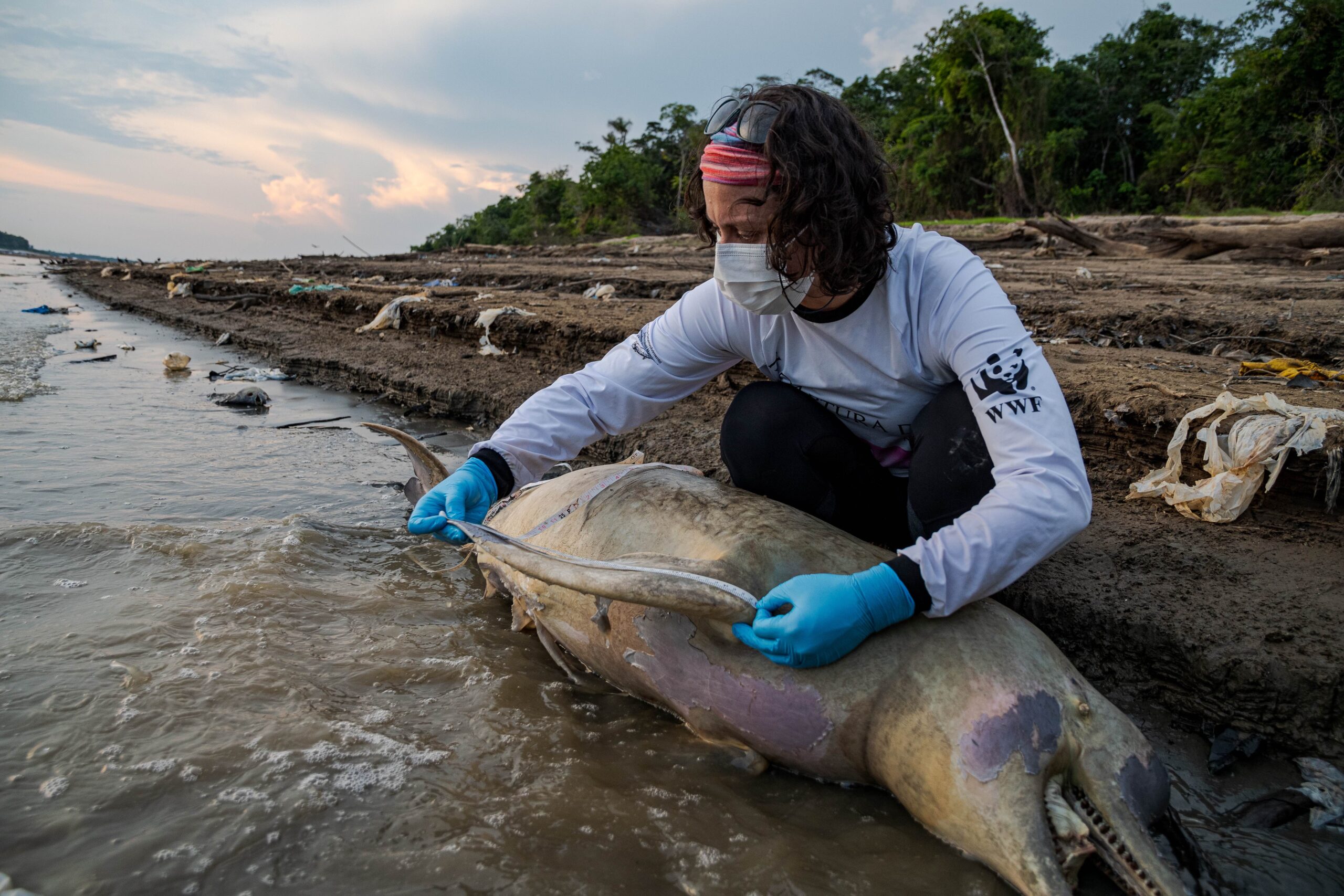
Mercury in dolphin prey fish hits 75x WHO limit
An analysis of 7,725 samples published this week found mercury in fish from the rio Madeira basin — which flows into the Amazon near the dolphin strongholds of the middle Solimões — at levels up to 75 times above the WHO limit, putting some 951 communities at risk across Peru, Bolivia and Amazonas. Dolphins, as apex predators eating the same contaminated fish, sit at the top of this exposure chain, adding a chronic toxicological stress on top of the acute heat-die-off threat seen in Lake Tefé in 2023.

Peruvian garimpo is contaminating dolphins' food web far from the mines
Reporting out this week details how illegal gold-mining mercury is poisoning fish in the Peruvian Amazon, threatening children, pregnant women and indigenous communities in Madre de Dios even far from extraction zones. Because dolphins like the boto and tucuxi forage across international basin boundaries, transboundary mercury loads are relevant to any health assessment of the Tefé die-off survivors.
Local view
No fresh local-language coverage of Lake Tefé or the Mamirauá Institute dolphin counts was published after 2026-09-21; the most recent local reporting dates to earlier in September and August, and has been covered in previous editions.
Context & numbers
- Fish from the rio Madeira analyzed at up to 75x the WHO mercury limit, affecting 951 communities across three countries
- The Brazilian emergency response framework for dolphins — pairing ICMBio's aquatic mammal research center with researchers and riverside communities — was finalized in August against a backdrop of 209 dead dolphins recorded in the 2023–2024 extreme drought
On the radar
- The peak dry-season window (September–November) when Lake Tefé's shallow waters previously topped 39°C — anywhere from late October onward is the historical danger zone for a repeat die-off.
- A possible new El Niño, flagged in recent reporting on drought-mitigation "mutirões" for botos; watch for updated institute monitoring bulletins if water levels start dropping.
- Congressional debate over the piracatinga moratorium — renewed attention there typically revives the bait-poaching (dolphins killed for catfish bait) storyline.
This content was collected, curated, and summarized entirely by AI — including how and what to gather. It may contain inaccuracies. Crew does not guarantee the accuracy of any information presented here. Always verify facts on your own before acting on them. Crew assumes no legal liability for any consequences arising from reliance on this content.
Powered by
