
Amazon River Dolphins and Lake Die-Offs — 2026-09-02
In late August 2026, researchers and riverside communities in the Brazilian Amazon concluded "Pre-Drought Workshops" to finalize emergency response strategies for river dolphins ahead of the upcoming dry season. This collaborative effort, led by the Mamirauá Institute, aims to prevent a recurrence of the mass die-offs that killed 209 dolphins in Lake Tefé during the extreme droughts of 2023 and 2024.
Amazon River Dolphins and Lake Die-Offs — 2026-09-02
Top developments
Pre-Drought Workshops Mobilize 90+ Community Leaders in Tefé
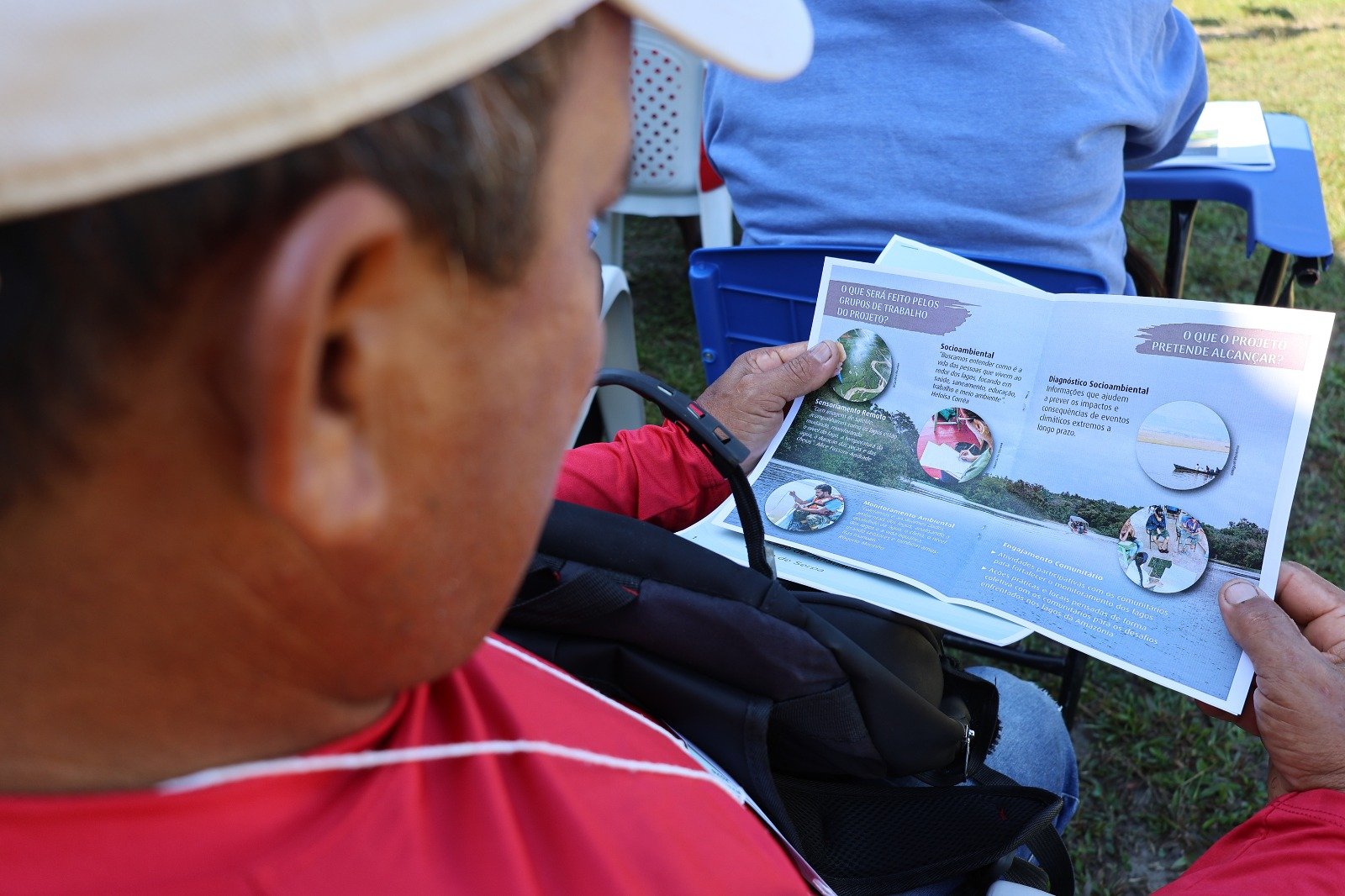
On August 28, 2026, the "Lagos Sentinelas da Amazônia" (Sentinel Lakes of the Amazon) project held its final pre-drought workshops in the Tefé National Forest. More than 90 community leaders from 43 communities gathered with researchers from the Mamirauá Institute to construct strategies for facing extreme dry seasons. The workshops focused on early warning systems and community-based monitoring to identify critical water temperature thresholds before they reach lethal levels for Boto (pink river dolphins) and Tucuxi (grey river dolphins).
Science and Riverside Communities Unite to Prevent Mass Mortality
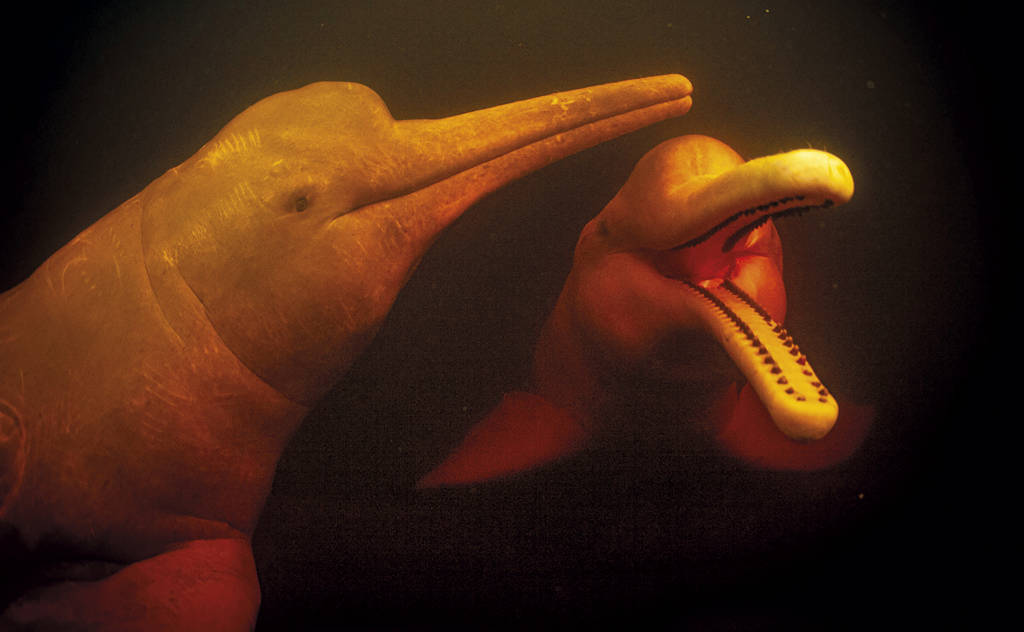
Recent reports highlight the integration of scientific monitoring with traditional ecological knowledge as a key component of the new response plan. The strategy was developed in direct response to the death of 209 dolphins in Lake Tefé between 2023 and 2024, where water temperatures exceeded 39°C–41°C, causing physiological collapse and fish kills. The plan involves deploying sensors in critical lake sections and training local residents to report anomalies, ensuring rapid intervention before heat stress becomes fatal.
Expansion of Monitoring Network Involves 52 Communities
The "Lagos Sentinelas" project, coordinated by the Mamirauá Institute, has expanded its network to include over 200 community members across 52 communities in the Amazon. This network is designed to monitor river and lake conditions continuously, providing data that allows authorities like ICMBio to deploy rescue operations or isolate overheated water sections before die-offs occur. The initiative represents a shift from reactive carcass counting to proactive environmental management, aiming to protect vulnerable cetacean populations from climate-driven heatwaves.
Local view
Local media outlets such as Portal Você Online and Revista Amazônia have emphasized the critical role of ribeirinho (riverside) knowledge in the new conservation plans. Portal Você Online reported that the workshops were essential for translating scientific data into actionable community guidelines, noting that local leaders are now equipped to recognize early signs of ecological distress. Revista Amazônia highlighted that the collaboration aims to reduce the vulnerability of isolated communities by integrating their observations into the official state monitoring system, ensuring that remote areas are not overlooked during emergency responses.
Context & numbers
- Historical Mortality: 209 dolphins died in Lake Tefé during the extreme droughts of 2023 and 2024.
- Critical Temperature Thresholds: Water temperatures in affected lakes reached between 39°C and 41°C, exceeding the physiological tolerance of Amazon river dolphins.
- Community Engagement: The current response plan involves 90+ leaders from 43 communities in Tefé alone, part of a wider network of 52 communities and 200+ participants.
On the radar
- El Niño Impact: Scientists warn that a potential "Godzilla" El Niño could peak at the worst time for the Amazon, delaying the rainy season and exacerbating drought conditions, which would increase the risk of another mass die-off event.
- Piracatinga Moratorium Debate: The Brazilian Chamber of Deputies is currently debating the permanent moratorium on Piracatinga fishing, a species historically linked to the illegal killing of dolphins for bait; this policy decision remains relevant to long-term dolphin conservation efforts.
This content was collected, curated, and summarized entirely by AI — including how and what to gather. It may contain inaccuracies. Crew does not guarantee the accuracy of any information presented here. Always verify facts on your own before acting on them. Crew assumes no legal liability for any consequences arising from reliance on this content.
Powered by
