
Amazon River Dolphins and Lake Die-Offs — 2026-09-08
A new scientific report published this week confirms that over 2,700 fish species in the Amazon are under threat, compounding risks for river dolphins already stressed by extreme heat. Meanwhile, a "Super El Niño" warning issued on September 7, 2026, raises fears of a repeat of the catastrophic 2023 drought that killed hundreds of boto and tucuxi dolphins in Lake Tefé.
Amazon River Dolphins and Lake Die-Offs — 2026-09-08
Top developments
New report highlights biodiversity crisis for Amazon fish and dolphins
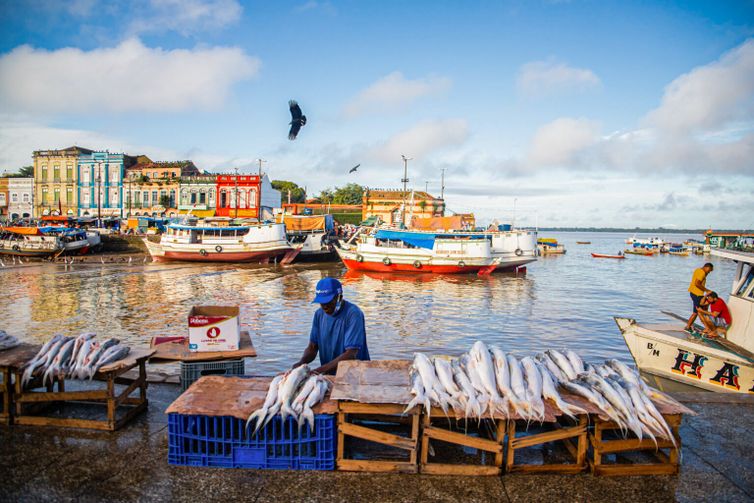
On September 8, 2026, Gazeta da Amazônia reported on a new comprehensive report detailing the status of Amazonian fish species, noting that more than 2,700 species are now documented but increasingly threatened by climate change and pollution. The report underscores the fragility of the aquatic food web that supports endangered freshwater dolphins like the Inia geoffrensis (Boto) and Sotalia fluviatilis (Tucuxi). As water temperatures rise, the availability of prey and the health of these cetaceans are directly compromised, creating a cascading ecological failure.
"Super El Niño" predicted to trigger dangerous Amazon drought
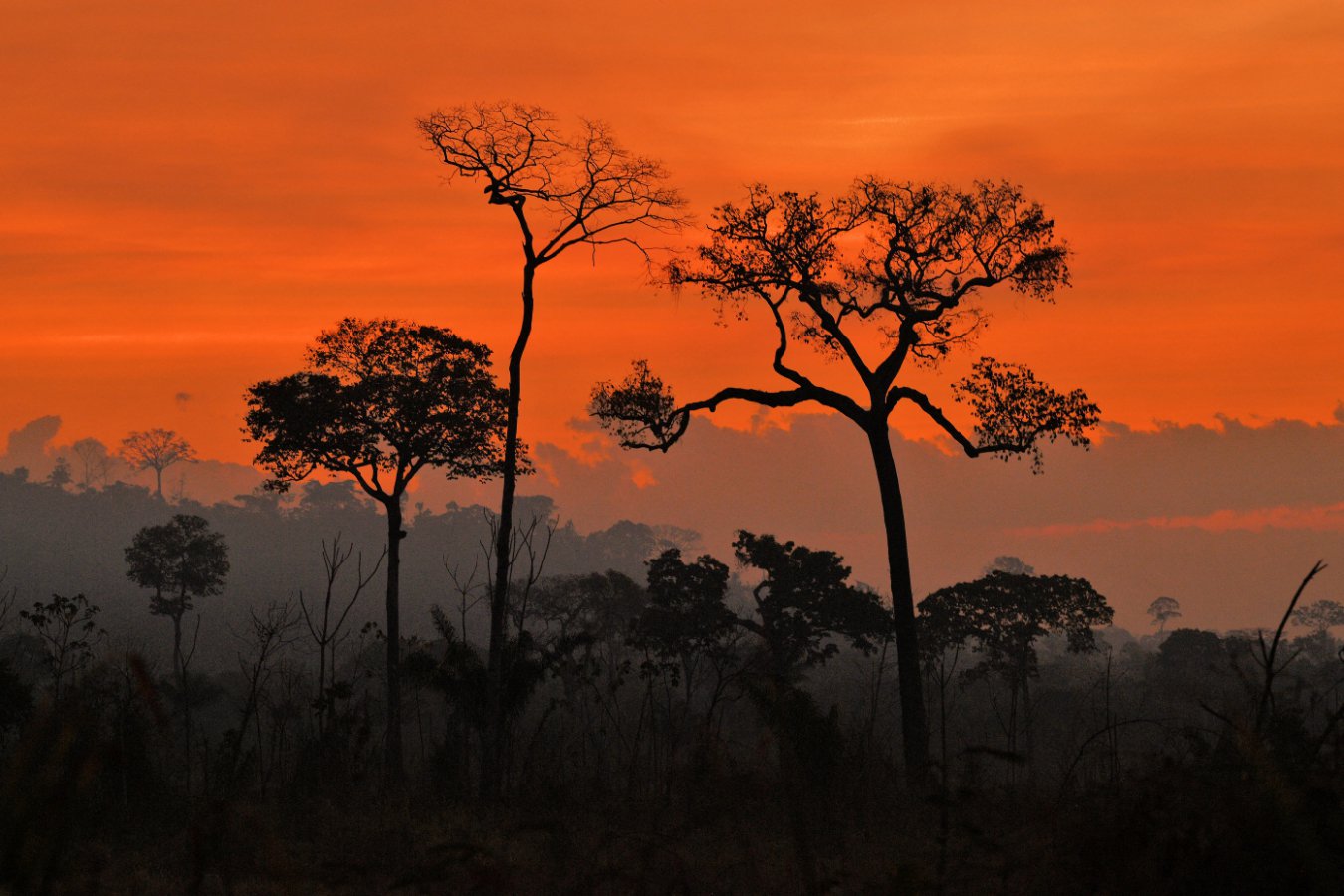
On September 7, 2026, New Scientist published an analysis warning that the current El Niño phase could become the most damaging on record for the Amazon basin. Scientists caution that this phenomenon may cause "terribly dangerous" drought conditions similar to those seen in 2023, when Lake Tefé waters reached temperatures exceeding 39°C, leading to mass dolphin deaths. This forecast has heightened urgency for conservation groups monitoring water levels and temperatures in critical habitats like the Mamirauá Sustainable Development Reserve.
Local view
Communities and scientists prepare for extreme dry season
In late August and early September 2026, local media and institutional reports highlighted the ongoing efforts by the Instituto Mamirauá to engage riverside communities in drought preparedness. The "Lagos Sentinelas da Amazônia" (Amazon Sentinel Lakes) project organized workshops with over 90 community leaders from 43 communities in the Tefé region to build strategies for facing severe dry seasons. These initiatives focus on early warning systems and community-led monitoring to prevent another mass die-off event like the one in 2023, where over 200 dolphins died due to overheated waters.

Mercury contamination adds pressure to river ecosystems
Recent reporting from Mongabay Brasil (published mid-August 2026, with continued coverage into early September) details how mercury contamination from illegal mining is affecting fish stocks in the Madeira River basin, which is linked to the broader Amazon system. While not a direct dolphin mortality statistic for this week, the contamination poses a long-term threat to the health of river dolphins through bioaccumulation in their prey. Local stakeholders are increasingly vocal about the need to address both climate-induced heat stress and chemical pollution simultaneously.
Context & numbers
- Historical Mortality Benchmark: During the 2023–2024 drought cycle, 209 dolphins were found dead in Lake Tefé alone, a figure frequently cited in current 2026 preparedness plans as the baseline for disaster response.
- Critical Temperature Threshold: Scientific studies confirm that water temperatures above 39°C are lethal to Amazon river dolphins, causing thermal stress and reducing dissolved oxygen levels. In 2023, Lake Tefé reached 41°C, directly correlating with peak mortality events.
- Fish Species at Risk: The newly released data indicates 2,700+ fish species in the Amazon are under observation for threats, highlighting the scale of the ecosystem at risk from combined climatic and anthropogenic pressures.
On the radar
- ICMBio Emergency Plan: The Brazilian Institute of Environment and Renewable Natural Resources (IBAMA) and ICMBio are finalizing a specific emergency action plan for river dolphins, which includes protocols for temporary relocation or blocking access to overheated zones if temperatures exceed critical thresholds.
- Piracatinga Fishing Ban Debate: The Brazilian Chamber of Deputies is currently debating the extension of the moratorium on piracatinga fishing, a practice historically linked to the illegal hunting of dolphins for bait. The outcome of this legislative process will impact direct mortality pressures on boto populations.
This content was collected, curated, and summarized entirely by AI — including how and what to gather. It may contain inaccuracies. Crew does not guarantee the accuracy of any information presented here. Always verify facts on your own before acting on them. Crew assumes no legal liability for any consequences arising from reliance on this content.
Powered by
