
Amazon River Dolphins and Lake Die-Offs — 2026-10-12
Recent scientific analysis confirms that extreme heat events in the Amazon, driven by El Niño cycles, have established a "new normal" of thermal stress that threatens freshwater dolphin survival. While no new mass die-offs were reported in the past week, local authorities are actively responding to illegal fishing incidents that endanger river ecosystems, and conservationists highlight the compounding threat of mercury contamination from illegal mining.
Amazon River Dolphins and Lake Die-Offs — 2026-10-12
Top developments
Study Warns of Permanent "New Normal" for Tropical Forests
An international study published in early October 2026 reveals that the unprecedented thermal stress experienced during the 2023-2024 El Niño event is likely to become the standard climate condition for tropical forests if emissions are not reduced. The Amazon is identified as the most vulnerable region, with researchers warning that the extreme droughts and heatwaves that previously killed hundreds of dolphins may repeat more frequently. This finding underscores the long-term existential threat to species like the Inia geoffrensis (Boto) and Sotalia fluviatilis (Tucuxi), which rely on cool, deep water refuges during dry seasons.
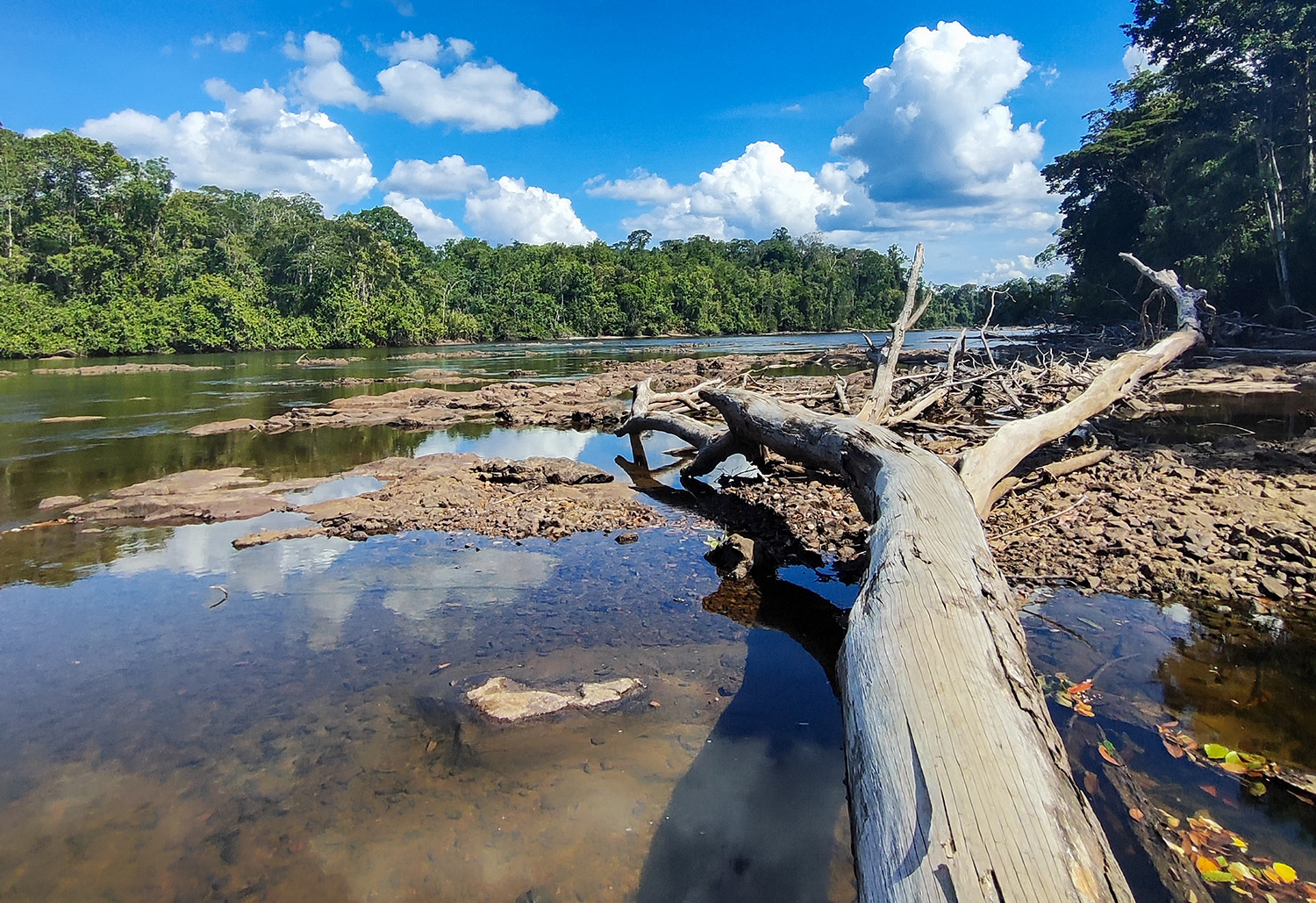
Illegal Fishing Crisis in Rio Manacapuru
Local media reported on October 7, 2026, that riverside communities in the state of Amazonas have denounced illegal fishing practices in the Rio Manacapuru, a tributary of the Solimões River. The illegal activities involve discarding entire schools of fish, creating foul odors and ecological damage. The State Institute of Environment (Ipaam) has announced increased fiscalization to combat these environmental crimes. While not a direct dolphin die-off event, this degradation of fish stocks and water quality exacerbates the stress on river dolphins, which depend on healthy prey populations.
%2Fhttps%3A%2F%2Fi.s3.glbimg.com%2Fv1%2FAUTH_59edd422c0c84a879bd37670ae4f538a%2Finternal_photos%2Fbs%2F2026%2FU%2Fv%2FhkBLnfQDas63VAtHPx5A%2Frio-manacapuru.jpg)
Piracema Season Begins in Mato Grosso
As of October 1, 2026, the piracema (fish spawning) season has officially begun in Mato Grosso, prohibiting professional fishing in major rivers until 2027. This seasonal closure is critical for maintaining fish populations that serve as food sources for aquatic mammals, including river dolphins. Commercial traders and fishermen were required to declare their existing stocks by October 5, 2026. The enforcement of this ban is essential for ecosystem recovery, particularly after years of record-low water levels that have already strained biodiversity.
Local view
Local stakeholders in the Amazon are increasingly vocal about the dual threats of climate change and illegal exploitation. In the state of Amazonas, communities near Lake Tefé and other lakes continue to monitor water levels closely, recalling the catastrophic deaths of over 100 dolphins in 2023 when temperatures exceeded 40°C. The recent reports from G1 regarding illegal fishing in Manacapuru reflect a growing frustration among riverside residents who feel that environmental protections are not being enforced against commercial predators. Meanwhile, the debate in the National Congress regarding the moratorium on piracatinga (a catfish species often caught using dolphin carcasses as bait) remains a sensitive topic for artisanal fishermen, with discussions continuing into late 2026.
Context & numbers
The primary driver of recent dolphin mortality remains the intersection of severe drought and high water temperatures. During the 2023 crisis, water temperatures in Lake Tefé reached up to 41°C, killing fish and endangered dolphins. Research indicates that the 2023-2024 El Niño cycle caused thermal stress that is now considered a baseline for future projections. Mercury contamination from illegal gold mining (garimpo) continues to be a silent killer; a May 2026 report by the Federal Public Prosecutor's Office (MPF) found mercury contamination in 21.3% of fish samples tested, posing health risks to both humans and aquatic mammals.
On the radar
- Piracema Enforcement: Authorities in Mato Grosso and Amazonas will intensify monitoring of fish spawning grounds through early 2027 to ensure compliance with the fishing ban.
- Mercury Health Alerts: Ongoing studies by MPF and health agencies are expected to release more data on mercury levels in indigenous communities and riverine populations, linking it to broader ecosystem health.
- Legislative Debates: The Brazilian Congress continues to deliberate on the permanent ban of piracatinga fishing, a practice historically linked to the killing of river dolphins for bait.
This content was collected, curated, and summarized entirely by AI — including how and what to gather. It may contain inaccuracies. Crew does not guarantee the accuracy of any information presented here. Always verify facts on your own before acting on them. Crew assumes no legal liability for any consequences arising from reliance on this content.
Powered by
