
Amazon River Levels and Navigation — 2026-09-08
Brazil’s Geological Survey (SGB) has issued a critical alert projecting the Rio Negro could drop to historic lows of 12.31 meters in Manaus during the 2026 dry season peak, potentially ranking among the three most severe droughts on record. This forecast has triggered immediate logistical responses, including the activation of "dry season fees" by shipping companies and the preparation of temporary barge operations to maintain connectivity for isolated communities and export routes.
Amazon River Levels and Navigation — 2026-09-08
Top developments
SGB Warns of Historic Low Levels for Rio Negro
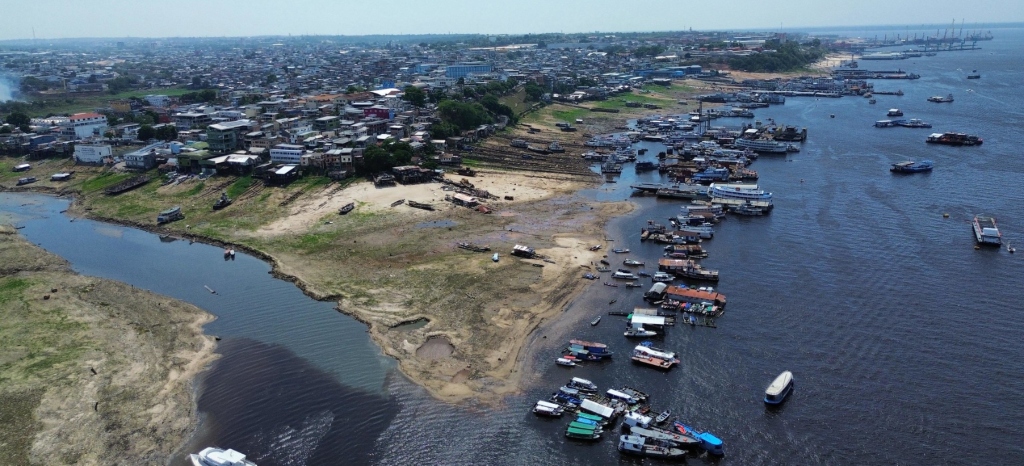
On September 1, 2026, the Brazilian Geological Survey (SGB) released updated hydrological data projecting that the Rio Negro in Manaus could reach levels between 12.31 meters and 16.50 meters at the peak of the dry season. The SGB warned that under the worst-case scenario, the 2026 drought could become the third most severe in recorded history, significantly impacting navigation channels essential for the region's supply chain.
Shipping Companies Activate "Dry Season Fees"
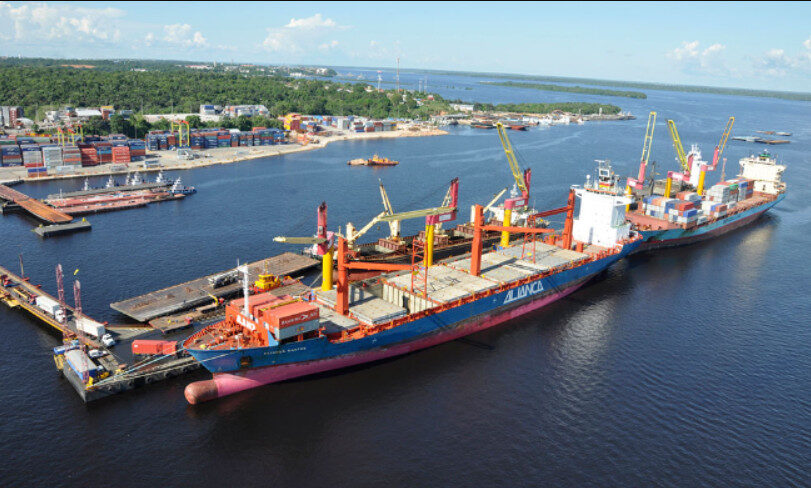
As the river levels begin their seasonal decline, shipping companies have started charging additional "dry season fees" (taxa da seca) starting in September, with costs reaching up to R$ 9,700 per container. These surcharges are intended to offset the increased operational costs caused by reduced navigability, although local merchants are contesting the charges, arguing that the Rio Negro level (recorded at 25.07 meters in late August) has not yet reached the 17.7-meter threshold required by Antaq regulations for such fees.

Grain Exports Face $164 Million Risk Due to Dredging Impasse
An ongoing impasse regarding dredging operations in the Amazon waterways threatens to cost Brazil’s grain exports approximately $164 million. Industry estimates suggest that 3 million to 5 million metric tons of soy and corn could be forced off barges and onto trucks during the dry season if proper draft depths are not maintained, driving up freight and demurrage costs for northern export routes.

Local view
Local media outlets such as Portal Valor Amazônico are amplifying the SGB's warnings, noting that projections from both the SGB and the National Institute of Amazonian Research (Inpa) indicate a high probability of the Rio Negro dropping between 13 and 16 meters. This local reporting highlights the growing anxiety among riverine communities who rely on these water levels for basic access to healthcare and food supplies, fearing a repeat of the isolation seen in previous severe droughts.
Context & numbers
The potential for a third-place historical low is framed against the record set in October 2024, when the Rio Negro hit 12.66 meters—the lowest point since record-keeping began in 1902. The current projection of a floor at 12.31 meters suggests this year could surpass that record. Meanwhile, the logistical response includes Grupo Chibatão preparing a temporary barge operation starting in November to ensure cargo continuity when main channels become unnavigable.
On the radar
- November Barge Activation: Grupo Chibatão is scheduled to launch its emergency barge service in November, a critical backup for logistics when standard vessels can no longer pass key bottlenecks.
- Dredging Contracts: Watch for any late-stage government tenders or emergency contracts aimed at dredging strategic points in the Madeira and Negro rivers to mitigate the projected $164 million export loss.
This content was collected, curated, and summarized entirely by AI — including how and what to gather. It may contain inaccuracies. Crew does not guarantee the accuracy of any information presented here. Always verify facts on your own before acting on them. Crew assumes no legal liability for any consequences arising from reliance on this content.
Powered by
