
Amazon River Levels and Navigation — 2026-09-02
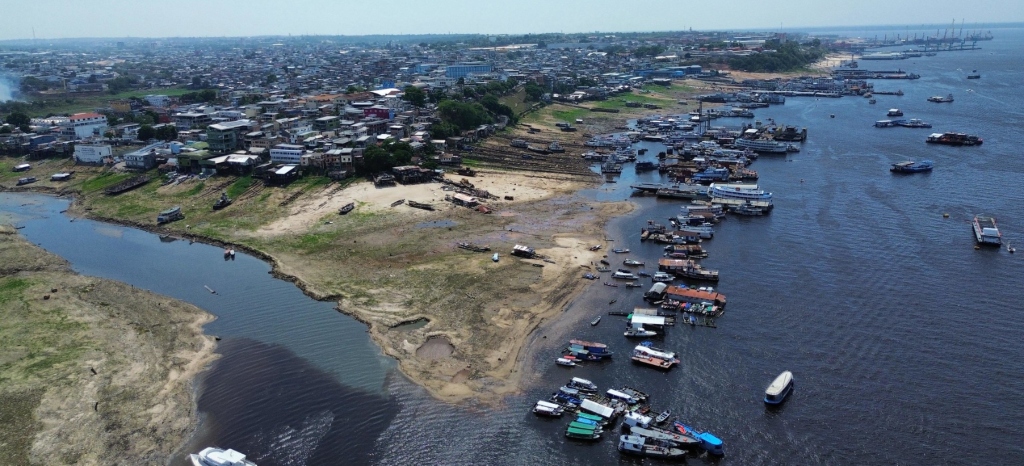
Brazil's Geological Survey Service (SGB) has issued a severe drought alert for the Amazon basin, projecting the Rio Negro in Manaus could drop to between 12.31 m and 16.50 m by the end of the dry season, potentially ranking among the three most severe in history. In response to falling levels, navigation companies have announced a controversial "drought fee" of up to R$ 9,700 per container starting in September, despite the Rio Negro currently standing at 24.19 meters, well above the regulatory threshold for such charges.
Amazon River Levels and Navigation — 2026-09-02
Top developments
SGB Warns of Historic Low Water Levels for Rio Negro
On September 1, 2026, the Geological Survey Service of Brazil (SGB) released updated hydrological bulletins projecting that the Rio Negro in Manaus could reach levels between 12.31 meters and 16.50 meters during the peak of the dry season. The Rio Negro ended August at 24.19 meters, but researchers warn that this year's recession could be one of the three most severe in recorded history, comparable to past droughts that devastated local infrastructure and ecology. This projection underscores the urgency for logistical adaptations in the coming months as water levels continue to recede below the critical thresholds for large vessels.
"Drought Fee" Contested by Commercial Sector
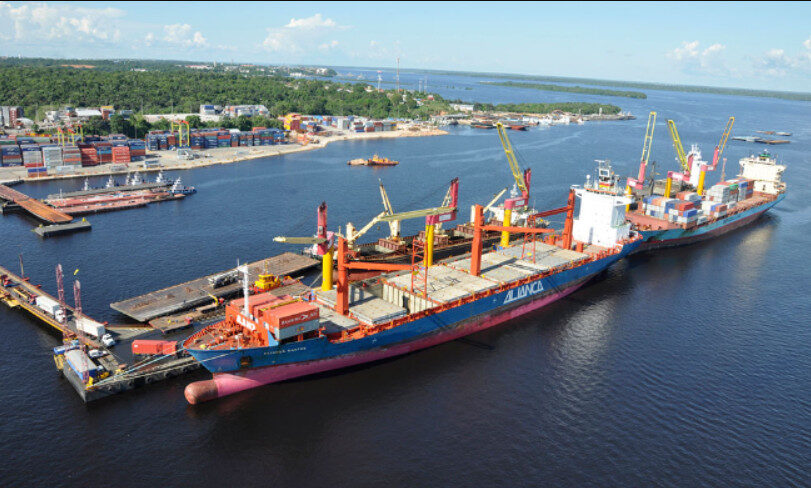
Navigation companies operating in the Amazon have announced the implementation of a "drought fee" (taxa da seca) of up to R$ 9,700 per container, effective from September 2026, to cover increased logistics costs associated with low river levels. However, the commercial sector is contesting this charge, noting that under National Waterway Transport Agency (Antaq) rules, such surcharges are only permissible when the Rio Negro drops to 17.7 meters. As of late August, the river gauge in Manaus stood at 25.07 meters, leading merchants to argue the fee is premature and illegal.

Lack of Funding Halts Riverbed Mapping Project
Researcher André Luis Martinelli revealed during a press conference on September 1, 2026, that the SGB is unable to map the riverbeds of the Amazon due to a lack of financial resources. This funding gap hinders the ability to provide precise navigational data, which is crucial for barge operators and ferry services trying to avoid grounding incidents as water levels fall. Without updated bathymetric data, isolated communities and commercial shippers face heightened risks of navigation stoppages and increased freight costs.

Local view
Local media outlets such as Portal Amazônia and O Primeiro Portal are highlighting the tension between regulatory frameworks and immediate operational realities. Portal Amazônia reports that the SGB's new projections indicate an "intense drought" scenario similar to previous severe events, urging stakeholders to prepare for disruptions in the Solimões, Negro, and Amazon rivers. Meanwhile, O Chefão da Notícia emphasizes the historical significance of the current recession, noting that entering September with the Rio Negro already showing signs of a severe drop raises alarms for a repeat of the devastating conditions seen in recent record-low years.
Context & numbers
The current legal dispute centers on the specific trigger for surcharges: Antaq regulations stipulate that additional fees can only be levied when the Rio Negro reaches 17.7 meters. The Rio Negro recorded 24.19 meters at the end of August 2026, meaning there is still a significant buffer before the legally mandated threshold is breached. Despite this, carriers are preemptively announcing fees of up to R$ 9,700 per container, citing anticipated costs for lightering operations where cargo must be transferred to smaller boats or barges as main channels become too shallow for standard vessels.
On the radar
- September 1 Projections: Monitor daily gauge readings from the SGB to see if the Rio Negro's recession rate accelerates beyond historical averages, which would validate the carriers' early fee announcements.
- Legal Challenges: Watch for official complaints filed by the Amazonas Commercial Association (ACA) or other trade bodies against the premature application of the "drought fee."
- Funding Appeals: Look for updates on whether federal funds will be released to allow the SGB to resume riverbed mapping, a critical step for safe navigation planning.
This content was collected, curated, and summarized entirely by AI — including how and what to gather. It may contain inaccuracies. Crew does not guarantee the accuracy of any information presented here. Always verify facts on your own before acting on them. Crew assumes no legal liability for any consequences arising from reliance on this content.
Powered by
