
Amazon River Levels and Navigation — 2026-09-13
The Rio Negro in Manaus has dropped to 22.95 meters after a rapid 94-centimeter fall in one week, accelerating the dry season recession. While levels remain within the "normal" historical band for September, the speed of the decline and the failure of Amazon dredging contracts are triggering immediate logistical shifts, including the activation of "dry season fees" for cargo and a projected $164 million hit to grain exports as barges are forced to lighten loads or switch to trucks.
Amazon River Levels and Navigation — 2026-09-13
Top developments
Rio Negro Recedes 94 cm in One Week, Hits 22.95m in Manaus
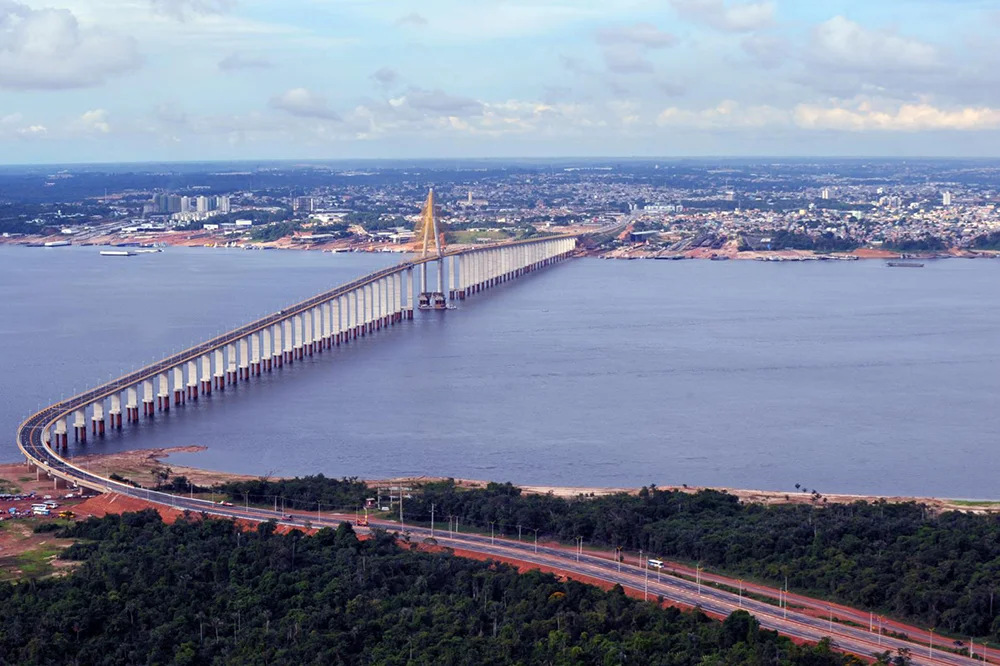
On September 8, 2026, the Rio Negro gauge in Manaus recorded 22.95 meters, following a sharp drop of 94 centimeters in just seven days. Although the Serviço Geológico do Brasil (SGB) notes this level is still within the expected range for the vazante (dry season) period, the rate of descent is faster than the same period in 2025, with the river having fallen over 1 meter in the first eight days of September. This rapid recession signals that navigation constraints may arrive earlier than anticipated for barge operators moving goods between Manaus and the Atlantic.

Dredging Impasse Threatens $164 Million in Grain Exports
Industry groups estimate that the lack of dredging maintenance on Amazon waterways could force 3 million to 5 million metric tons of grain exports off barges and onto trucks during the 2026 dry season. This shift is projected to cost Brazil’s agricultural sector approximately $164 million due to higher freight rates and demurrage costs. The impasse highlights a critical bottleneck: without adequate channel depth, large barges cannot navigate the northern arc routes efficiently, directly impacting soy and corn shipments destined for export via Santarém and other northern ports.

"Dry Season Fee" Activation Contested by Merchants
Navigation companies have begun announcing the implementation of a "taxa da seca" (dry season fee) starting in September, with charges reaching up to R$9,700 per container. Merchants are contesting these charges, arguing that under Agência Nacional de Transportes Aquaviários (Antaq) regulations, such fees should only apply when the Rio Negro drops below 17.7 meters. As of early September, the river was at 22.95 meters, leading commercial sectors to argue the surcharge is premature and illegal under current gauge readings.
Grain Transport Costs Rise Across All Modes
USDA data for the week ending September 9, 2026, indicates that grain transport costs are climbing across all modes, including truck, rail, barge, and vessel. The report specifically notes rising Brazilian soybean transport costs amid higher ocean freight rates. This global trend compounds local Amazonian navigation issues, as exporters face higher baseline costs even before accounting for the specific draft restrictions on the Madeira and Solimões rivers.
Local view
Local outlets such as Gazeta da Amazônia and Portal do Caubi are focusing heavily on the discrepancy between the SGB’s "normality" classification and the rapid pace of the water level drop experienced by residents and operators. Portal do Caubi highlights that the Rio Negro fell from 24.09 meters to 23.02 meters between September 1 and 8, a faster recession than the previous year, raising concerns among local communities about early isolation and supply shortages despite official assurances that the basin is behaving within historical norms. Meanwhile, Portalamazonia reports strong pushback from the commercial sector against shipping companies, who are accused of applying dry-season surcharges too early in the season to maximize margins before the most severe restrictions actually hit.
Context & numbers
- Current Gauge: 22.95 meters (Manaus, Sept 8, 2026)
- Weekly Drop: 94 centimeters
- Projected Low: 12.31m – 16.50m (SGB projection for peak dry season)
- Dry Season Fee Cap: R$9,700 per container
- Legal Threshold for Fee: 17.7 meters (Rio Negro)
- Potential Export Loss: $164 million due to dredging failures
On the radar
- Gauge Monitoring: Watch for the Rio Negro crossing the 17.7-meter threshold, which would legally validate the "dry season fee" and likely trigger mandatory draft reductions for larger vessels.
- Dredging Contracts: Any announcements regarding emergency federal funding for Amazon dredging could mitigate the $164 million export loss forecast; currently, no such funding has been confirmed in recent weeks.
- El Niño Impact: Logistics firms are advised not to wait for definitive El Niño confirmation but to prepare for severe drought conditions now, as Pacific temperatures suggest high severity.
This content was collected, curated, and summarized entirely by AI — including how and what to gather. It may contain inaccuracies. Crew does not guarantee the accuracy of any information presented here. Always verify facts on your own before acting on them. Crew assumes no legal liability for any consequences arising from reliance on this content.
Powered by
