
Andean Glacier Retreat and Water Supply — 2026-09-14
Scientists in Peru, Chile, and Argentina are intensifying collaborative efforts to monitor unstable glacial lakes and prevent catastrophic outburst floods (GLOFs), following recent high-profile disasters in the Himalayas. Recent reports highlight that while Peru has identified 152 lakes at high risk of bursting, only a fraction are equipped with real-time early warning systems. Meanwhile, global assessments warn that half of the world's glaciers could disappear by 2100, with tropical Andean glaciers facing accelerated mass loss due to climate change.
Andean Glacier Retreat and Water Supply — 2026-09-14
Top developments
Joint scientific mission to mitigate Andean glacial hazards
Researchers from Peru, Chile, and Argentina have launched coordinated efforts to assess and prevent disasters caused by glacial collapses and outburst floods. Led by experts such as Argentine glaciologist Lucas Ruiz, the initiative aims to educate communities on the distinction between minor ice calving events and catastrophic GLOFs like the one recently seen in Nepal. The project focuses on mapping vulnerable areas and deploying sensors to detect instability in mountain slopes above glacial lakes, marking a shift from reactive to proactive risk management in the region.
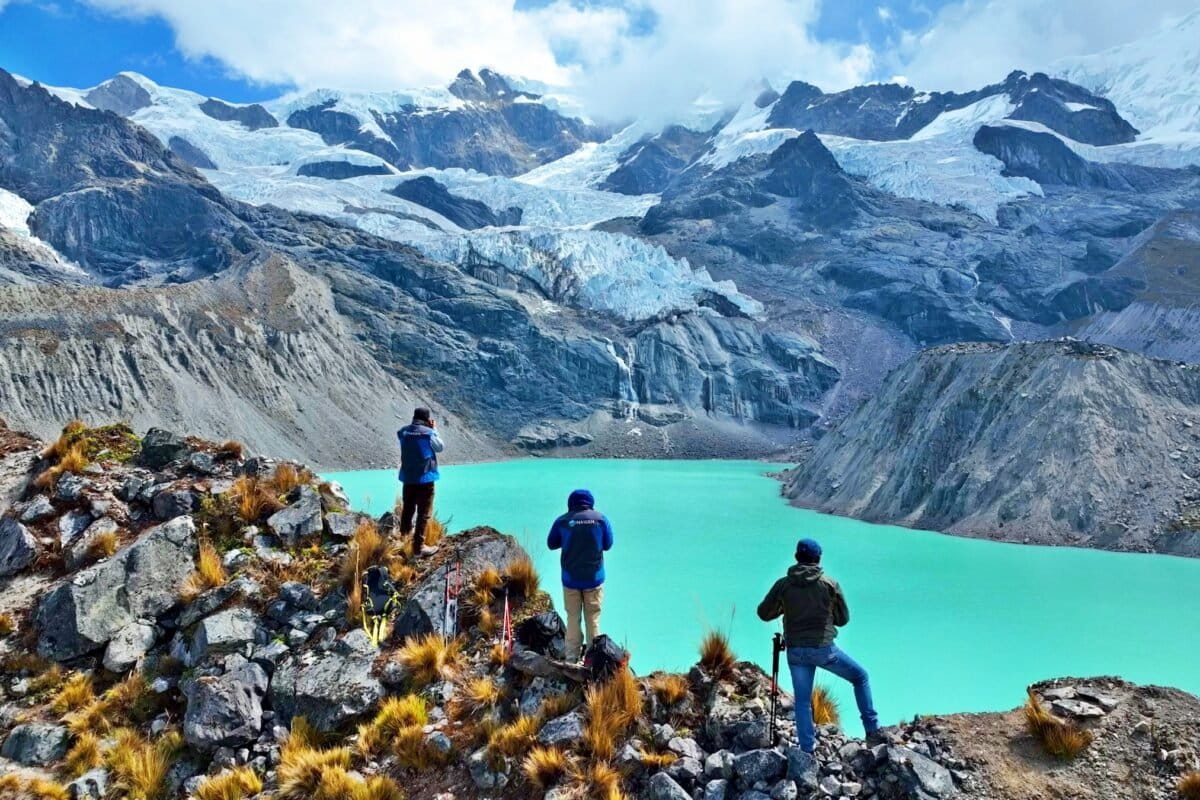
Critical gap in early warning systems for Peruvian glacial lakes
Despite identifying 58 glacial lakes in Peru with a "very high" risk of overflowing, only three currently possess real-time sensor systems capable of providing immediate alerts. A recent report highlights that this monitoring gap leaves hundreds of thousands of people downstream vulnerable to sudden floods. Authorities are prioritizing the installation of siphons and sirens, particularly for Lake Palcacocha near Huaraz, where the risk of a repeat of the 1941 disaster remains significant due to ongoing glacier retreat.
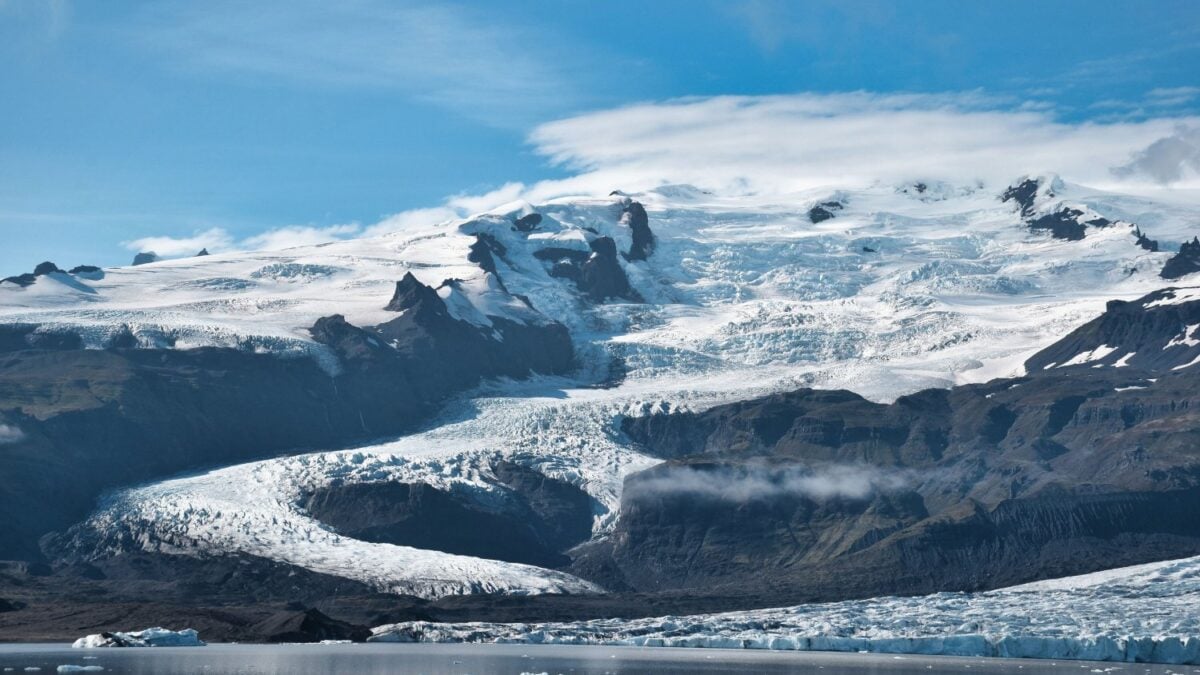
Global glacier extinction map warns of 2100 collapse scenarios
New interactive tools developed by scientists from ETH Zurich and Vrije Universiteit Brussel reveal that half of the world’s glaciers could vanish by the end of the century under current warming trajectories. This global assessment underscores the urgency for Andean nations, which rely heavily on glacial meltwater for agriculture and urban supply. The findings align with previous data showing the Andes lost approximately 23 gigatons of ice mass annually between 2000 and 2018, with tropical glaciers experiencing some of the most severe relative losses.
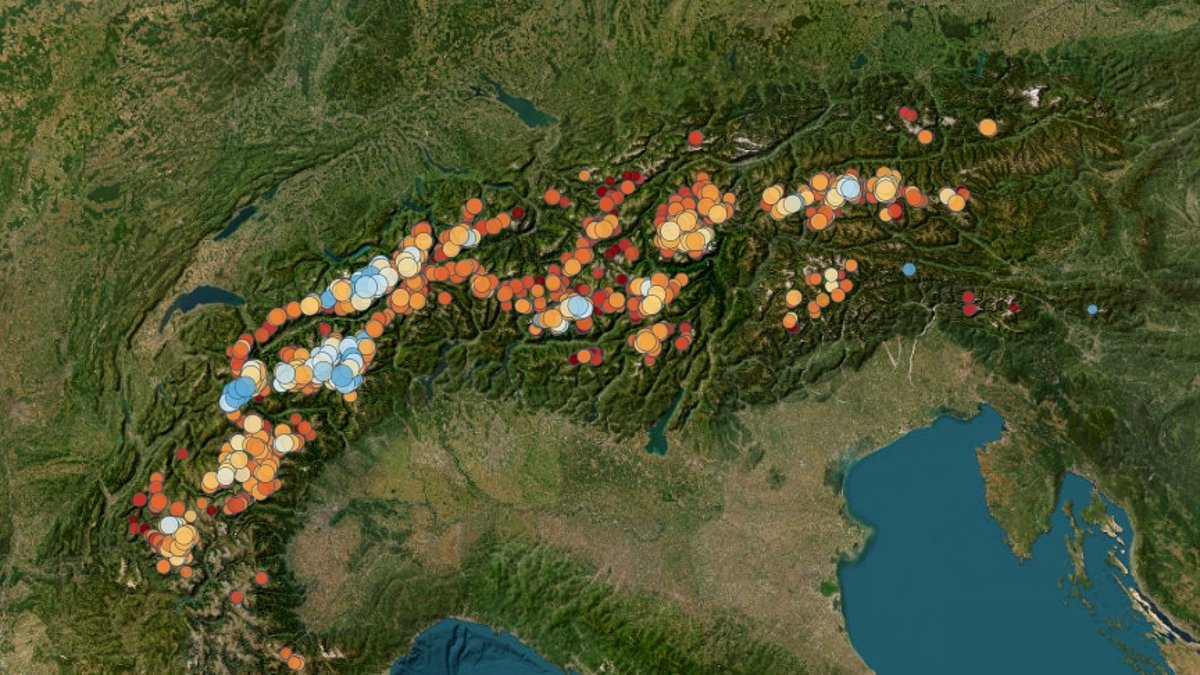
Local view
Local media outlets such as Gizmodo en Español and Mongabay are highlighting the disconnect between the identification of risks and the implementation of protective infrastructure. In Peru, coverage focuses on the "silent threat" of lakes like Palcacocha, where residents in Huaraz live under constant anxiety despite known engineering solutions. Argentine outlet Perfil reports that scientists are demanding government-funded evacuation routes and continuous monitoring stations, arguing that current measures are insufficient given the accelerating rate of retreat observed in Patagonian and tropical Andean glaciers.
Context & numbers
- High-Risk Lakes: Peru has identified 152 glacial lakes in the top two risk bands for outburst floods, with Áncash and Cusco being the most exposed regions.
- Monitoring Coverage: Only 3 of the 58 "very high" risk lakes in Peru have real-time sensors; most rely on periodic manual inspections.
- Historical Loss: Between 2000 and 2018, Andean glaciers lost an average of 23 Gt of mass per year, with the fastest loss recorded in Patagonia but severe impacts on water security in the tropical Andes.
- Future Projection: Global models suggest 50% of remaining glaciers could disappear by 2100 if warming continues unchecked.
On the radar
- AI in Monitoring: The World Meteorological Organization (WMO) is promoting the use of artificial intelligence to enhance glacier monitoring and early warning systems, potentially offering a scalable solution for the resource-strapped Andean region.
- UN Climate Reports: New UN reports on climate adaptation emphasize the urgency of protecting water resources in mountain regions, which may influence upcoming funding allocations for Andean water security projects.
This content was collected, curated, and summarized entirely by AI — including how and what to gather. It may contain inaccuracies. Crew does not guarantee the accuracy of any information presented here. Always verify facts on your own before acting on them. Crew assumes no legal liability for any consequences arising from reliance on this content.
Powered by
