
Andean Glacier Retreat and Water Supply — 2026-09-14
Scientists in Peru, Chile, and Argentina are accelerating the deployment of early warning sensors and evacuation plans for unstable glacial lakes following recent global warnings about glacier collapse risks. In Peru, authorities have identified 152 glacial lakes at high risk of outburst floods, with only a fraction currently equipped with real-time monitoring systems. Meanwhile, a new global assessment warns that half of Earth’s glaciers could vanish by 2100, intensifying pressure on Andean water security.
Andean Glacier Retreat and Water Supply — 2026-09-14
Top developments
Peru identifies 152 high-risk glacial lakes with limited monitoring
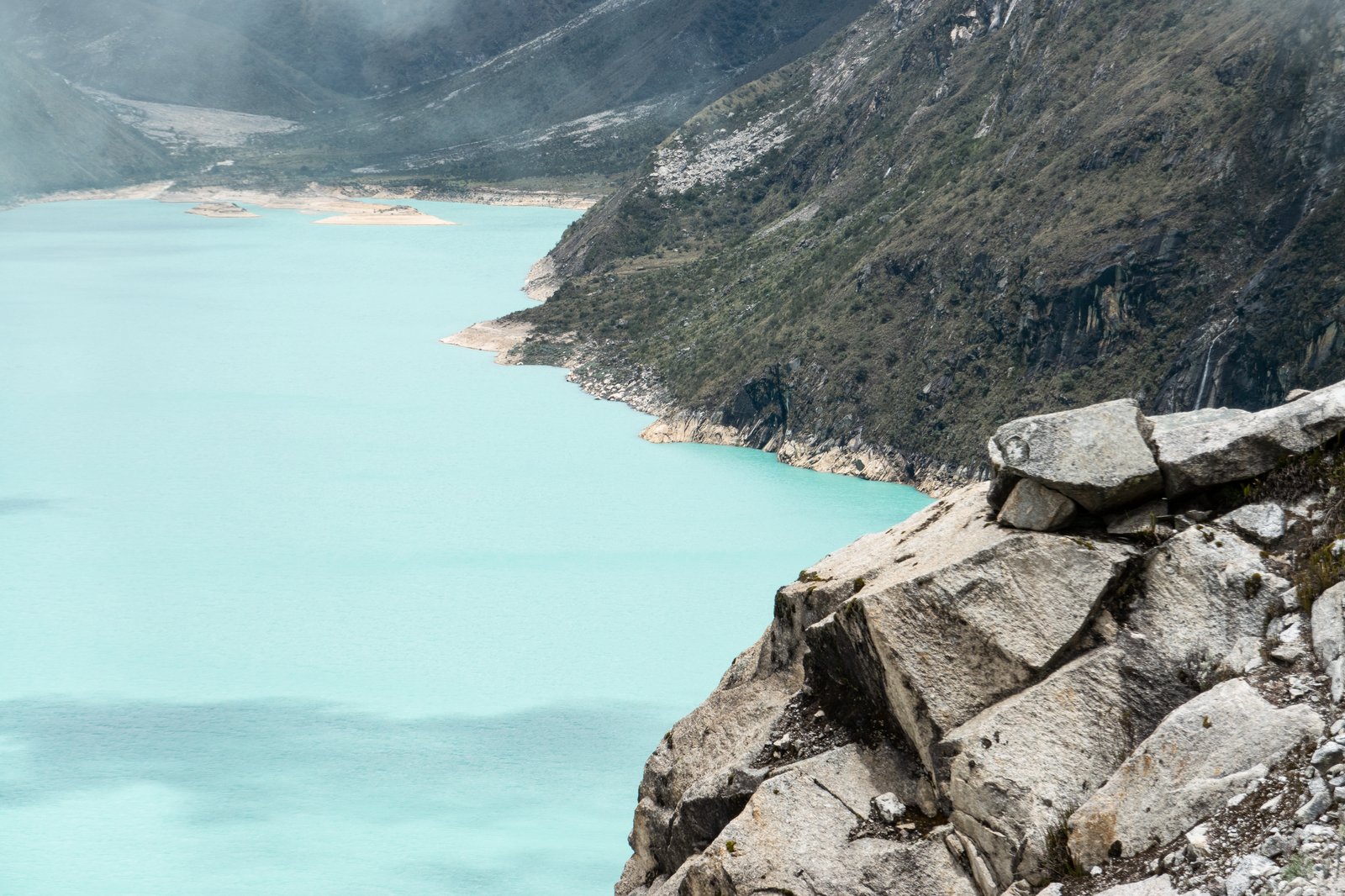
A national review in Peru has placed 152 glacial lakes in the top two bands of risk for outburst floods (GLOFs), with the regions of Áncash and Cusco identified as the most exposed. Despite this high number, only three of the 58 lakes classified as "very high" risk currently have sensors that provide real-time alerts. The disparity between risk levels and monitoring infrastructure remains a critical vulnerability for downstream communities.
Cross-border scientific collaboration on glacier collapse mitigation
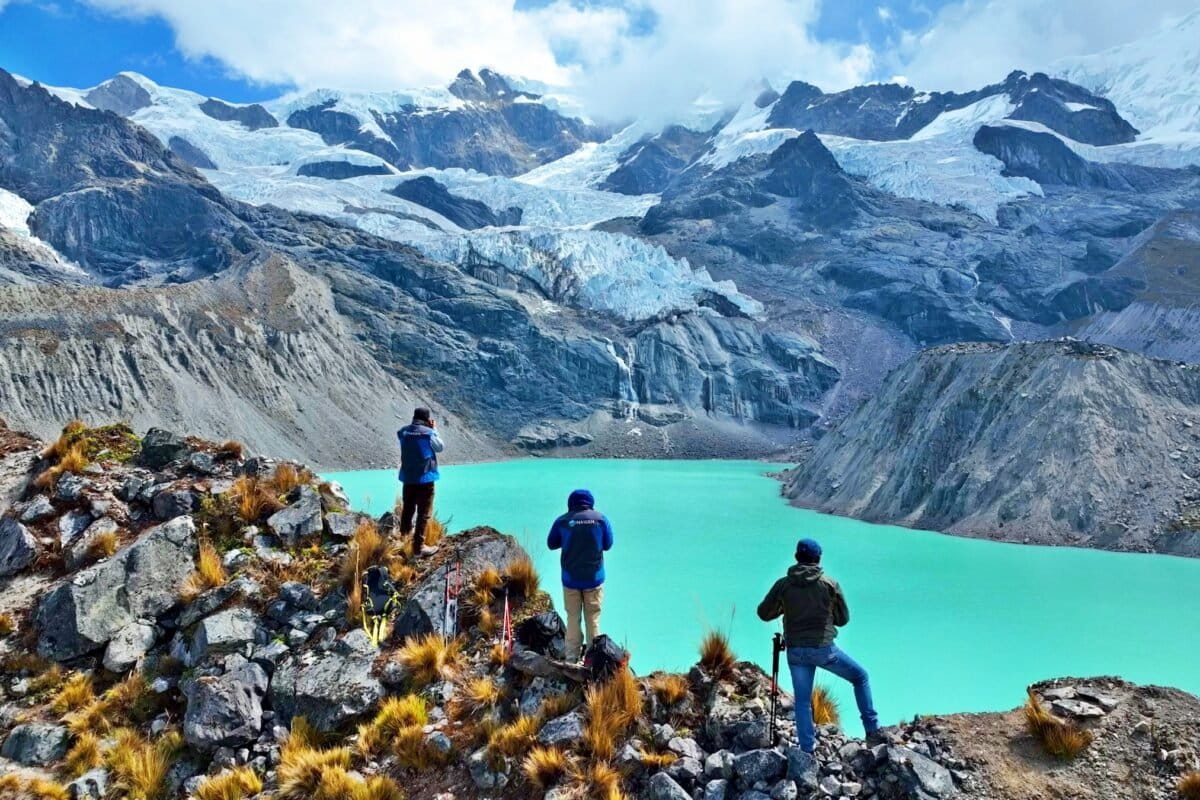
Glaciologists from Argentina, Chile, and Peru are collaborating to prevent disasters similar to the recent glacier collapse in Nepal. Argentine glaciologist Lucas Ruiz emphasizes that while not every collapse triggers massive aluviones (debris flows), the instability of retreating glaciers requires urgent community awareness and preparedness. The team is focusing on mapping unstable slopes and evaluating the effectiveness of early warning systems across the Southern Andes.
Global assessment warns of 50% glacier loss by 2100
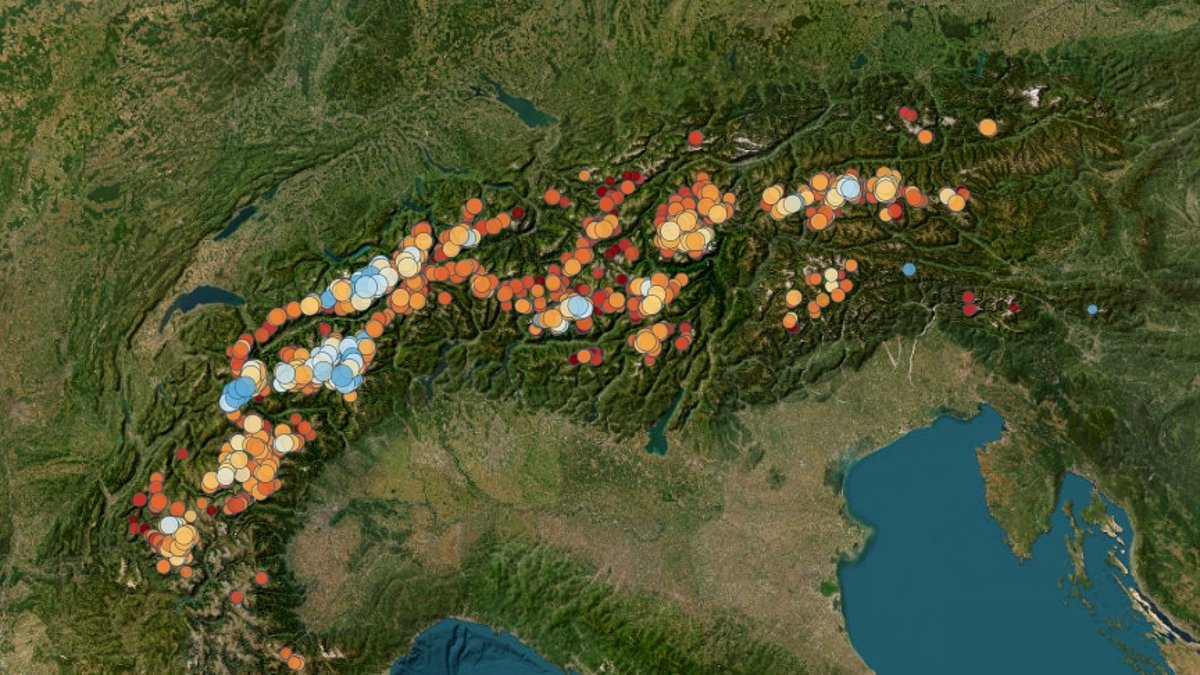
New international research highlighted in early September indicates that approximately half of the world's glaciers could disappear by 2100 under current warming trajectories. This global context underscores the urgency for Andean nations, which rely heavily on glacial melt for dry-season water supply. The findings have prompted calls for enhanced AI-driven monitoring to predict melt rates and associated hazards more accurately.
Local view
Local media outlets such as Gizmodo en Español and Mongabay Latam are highlighting the gap between scientific knowledge and implementation. Gizmodo reports that while Peru has mapped the risks, the "weak link" remains the physical installation of siphons and sirens in cities like Huaraz. Local stakeholders in Áncash are pushing for faster implementation of the Palcacocha early warning system, which is designed to give residents 30 minutes to evacuate in case of a breach.
Context & numbers
- Risk Classification: 58 lakes in Peru are classified as "very high" risk; 152 are in the top two risk bands nationally.
- Monitoring Gap: Only 3 of the 58 "very high" risk lakes have real-time sensor coverage.
- Global Projection: Scientists warn that up to 50% of global glaciers could be lost by 2100.
- Evacuation Time: The proposed early warning system for Huaraz aims to provide a 30-minute evacuation window.
On the radar
- Sensor Installation: Watch for announcements from INAIGEM (Peru) regarding new contracts or installations of telemetry sensors in the Cusco and Áncash regions to close the monitoring gap.
- Regional Policy: Increased coordination between Chile, Argentina, and Peru on transboundary glacier management frameworks is expected following the recent joint scientific meetings.
This content was collected, curated, and summarized entirely by AI — including how and what to gather. It may contain inaccuracies. Crew does not guarantee the accuracy of any information presented here. Always verify facts on your own before acting on them. Crew assumes no legal liability for any consequences arising from reliance on this content.
Powered by
