
Andean Glacier Retreat and Water Supply — 2026-09-08
Scientists from Peru, Chile, and Argentina have proposed new mitigation strategies for glacial lake outburst floods (GLOFs) following the catastrophic Nepal disaster, urging the implementation of early warning systems in the Andes. Meanwhile, Peru has reinforced surveillance of 152 high-risk glacial lakes, with specific focus on Lake Palcacocha, which threatens the city of Huaraz. Global assessments confirm unprecedented glacier mass loss rates, highlighting the urgent need for infrastructure adaptation in water-scarce Andean regions.
Andean Glacier Retreat and Water Supply — 2026-09-08
Top developments
Regional scientists propose GLOF mitigation strategies
On September 7, 2026, researchers from Peru, Chile, and Argentina published recommendations to mitigate the risk of aluviones (debris flows) caused by glacial collapses. The experts emphasized that not all glacier collapses result in massive floods, but stressed the critical need for community awareness and early warning systems in the Andes. This initiative follows the deadly Nepal glacier collapse in late August, serving as a wake-up call for South American mountain communities.
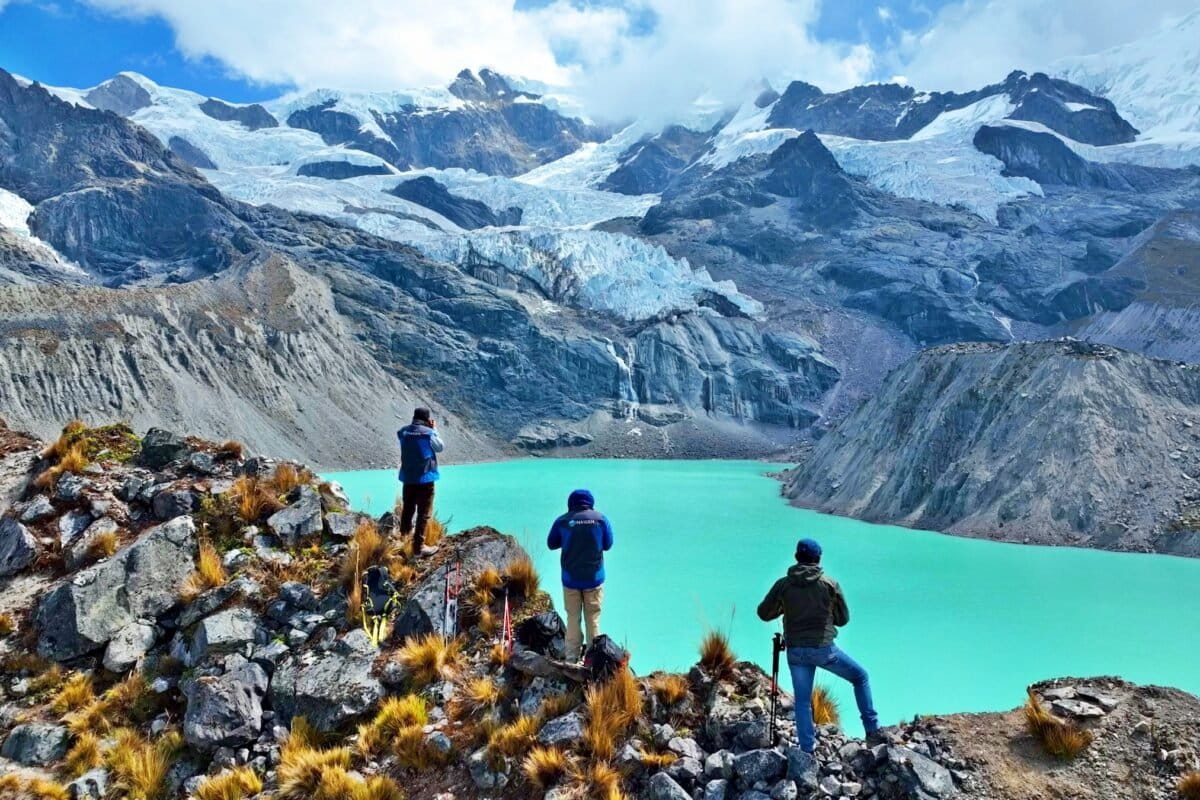
Peru reinforces surveillance of high-risk glacial lakes
Peruvian authorities have intensified monitoring efforts on 152 glacial lakes identified as being at high or very high risk of bursting. The national review highlights Áncash and Cusco as the most exposed regions. Specifically, Lake Palcacocha, which poses a significant threat to Huaraz (population >120,000), is being closely watched; its volume is currently below 15 million cubic meters, with alert levels triggering near 17 million cubic meters.
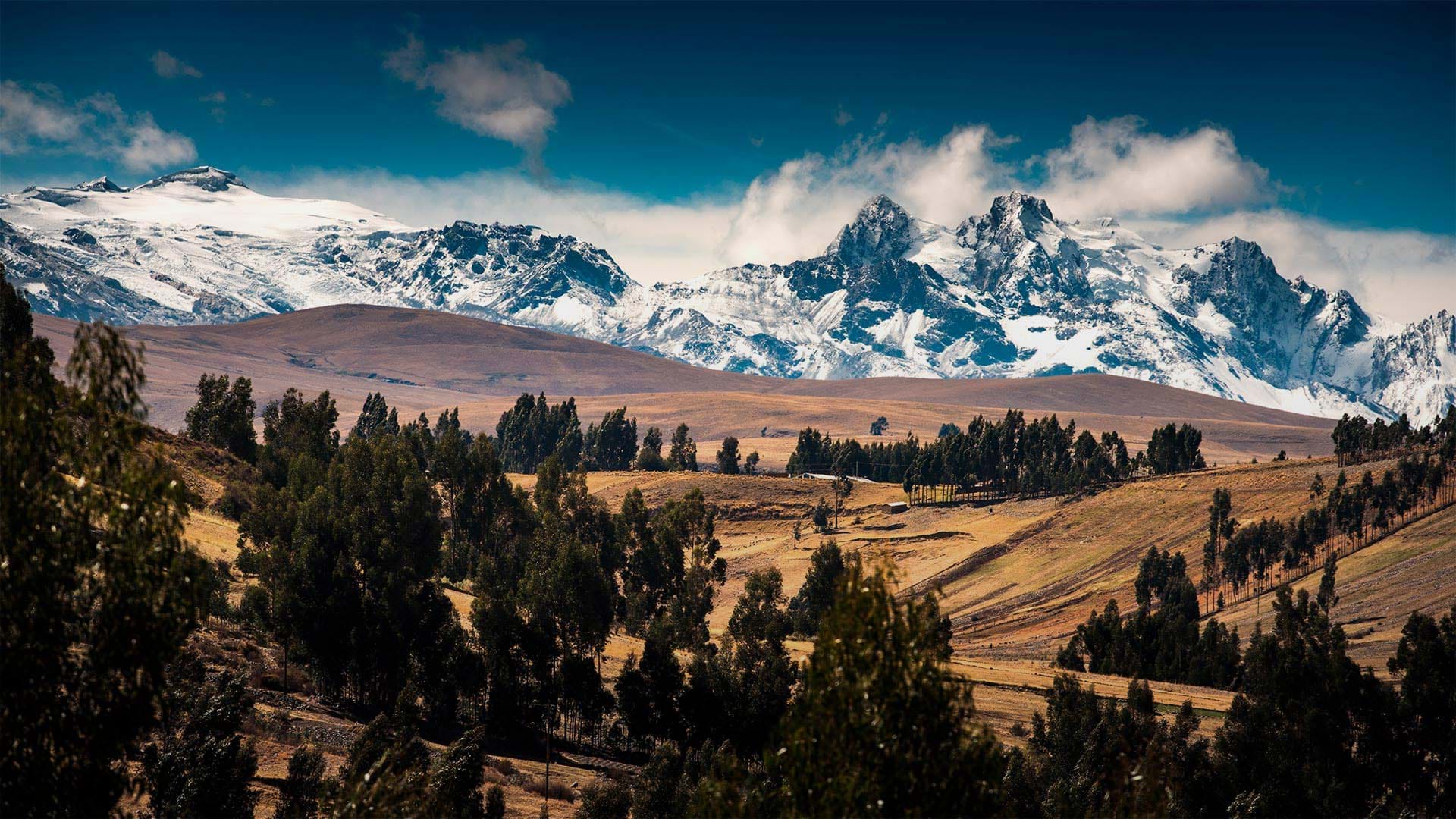
WMO Secretary-General advocates for AI in glacier monitoring
In a statement released on September 8, 2026, World Meteorological Organization (WMO) Secretary-General Celeste Saulo highlighted the potential of artificial intelligence to enhance glacier monitoring and early warning systems. She noted that glaciers are retreating rapidly from the Himalayas to the Caucasus and Andes, and that AI can help bridge gaps in real-time data collection and hazard prediction.
Local view
Peruvian media highlight surveillance upgrades
Local outlets such as Infobae and El Nuevo Día have focused on Peru's response to the global GLOF crisis. Infobae reported on September 7 that Peru is reinforcing vigilance over glacial lakes to prevent aluviones, citing official statements about the 58 lakes currently in "very high" risk categories. The coverage emphasizes the link between accelerated melt due to climate change and the increased instability of moraine dams.
Argentine experts call for evacuation plans in El Chaltén
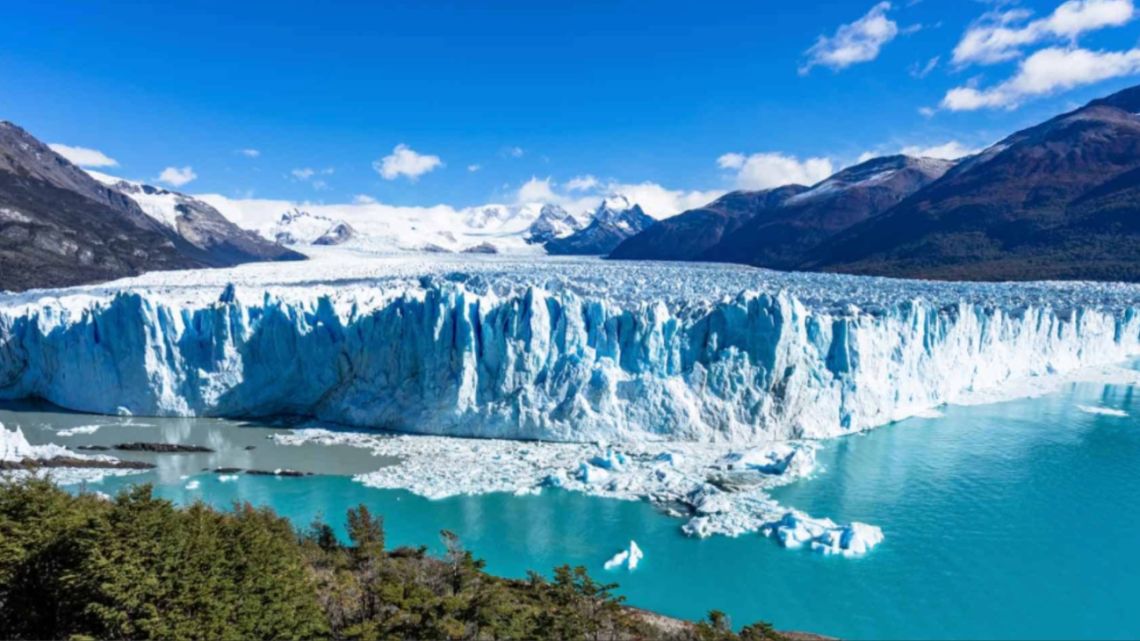
Perfil and Noticias Ambientales reported on September 5 and 7, respectively, that experts from CONICET (Argentina's National Scientific and Technical Research Council) warned that El Chaltén could face a glacier flood similar to Nepal's. They urged local authorities to implement a contingency protocol capable of evacuating residents within 45 minutes, highlighting the vulnerability of Patagonian towns to sudden glacial lake outbursts.
Context & numbers
Global glacier mass loss accelerates
A recent report in Nature Reviews Earth & Environment (April 2026, cited in current discussions) indicates that glaciers lost 408 ± 132 Gt of mass during the hydrological year 2025. This loss contributes approximately 1.1 ± 0.4 mm to sea-level rise annually. Since 1975, cumulative glacier mass loss totals 9,583 ± 1,211 Gt, with six of the highest mass-loss years occurring in the last decade.
Andean hydrological impacts
Studies using the Open Global Glacier Model (OGGM) estimate significant hydrological responses in 786 Andean catchments (11° N to 55° S) between 2000 and 2019. Tropical Andes glaciers, which are critical for dry-season water supply in cities like Lima and La Paz, are experiencing accelerated retreat, directly impacting reservoir levels and long-term water security.
On the radar
Upcoming regional coordination meetings
Following the publication of the joint scientist proposal by Mongabay and Perfil, stakeholders are watching for formal government responses from Peru, Bolivia, and Argentina regarding funding for early warning systems. No specific dates for ministerial meetings have been announced yet, but pressure is mounting for concrete action plans before the next rainy season peaks in January–March 2027.
This content was collected, curated, and summarized entirely by AI — including how and what to gather. It may contain inaccuracies. Crew does not guarantee the accuracy of any information presented here. Always verify facts on your own before acting on them. Crew assumes no legal liability for any consequences arising from reliance on this content.
Powered by
