
Andean Glacier Retreat and Water Supply — 2026-10-07
Global climate reports released in late September confirm that glaciers worldwide lost 1,400 gigatons of mass between 2023 and 2025, with the tropical Andes facing accelerated retreat due to extreme El Niño conditions. In Peru, the legacy of glaciologist Benjamín Morales Arnao is being revisited as scientific efforts intensify to monitor high-risk glacial lakes and prevent catastrophic outbursts similar to the recent Nepal disaster.
Andean Glacier Retreat and Water Supply — 2026-10-07
Top developments
Global glacier mass loss reaches record highs in WMO report
The World Meteorological Organization (WMO) reported that 2025 marked the fourth consecutive year of widespread glacier loss across all regions. Between 2023 and 2025, global glaciers lost a cumulative 1,400 gigatons of mass, contributing to a sea-level rise of approximately 1.1 mm in 2025 alone. This data underscores the critical state of cryospheric reserves, which are vital for water security in mountainous regions like the Andes.
Extreme El Niño 2026 triggers simultaneous floods and droughts in Latin America
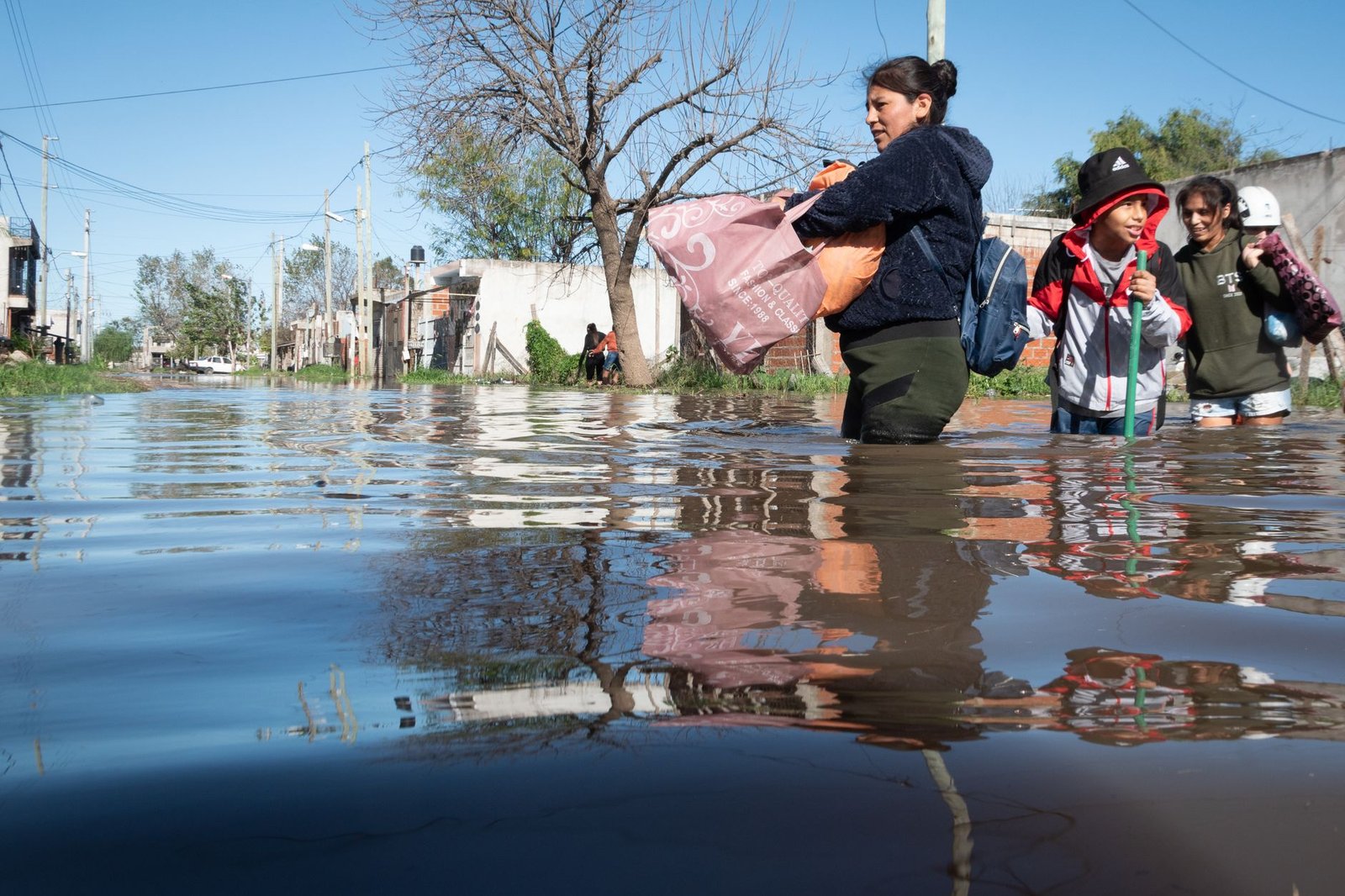
A severe El Niño event in 2026 has generated simultaneous extreme weather patterns across Latin America, causing significant flooding in Ecuador and Peru while driving severe droughts in Colombia. This climatic volatility accelerates glacial melt in the short term while reducing precipitation recharge for water reservoirs, creating a dual threat to water supplies in Andean cities. The event is described as potentially the most intense in 70 years, putting unprecedented stress on regional water infrastructure.
Scientific community highlights monitoring gaps in Peru’s glacial lakes
Recent scientific investigations have emphasized the urgent need to prevent glacial lake outburst floods (GLOFs) in Peru, Chile, and Argentina, drawing parallels to the recent disaster in Nepal. Researchers are focusing on improving early warning systems for high-risk lakes, noting that institutional fragmentation and lack of maintenance for mitigation works remain critical vulnerabilities. The Cordillera Blanca, home to Lake Palcacocha, remains a primary focus due to its history of catastrophic floods threatening the city of Huaraz.
Local view
Inforegion: Legacy of Peru’s "Father of Glaciology" informs current crisis
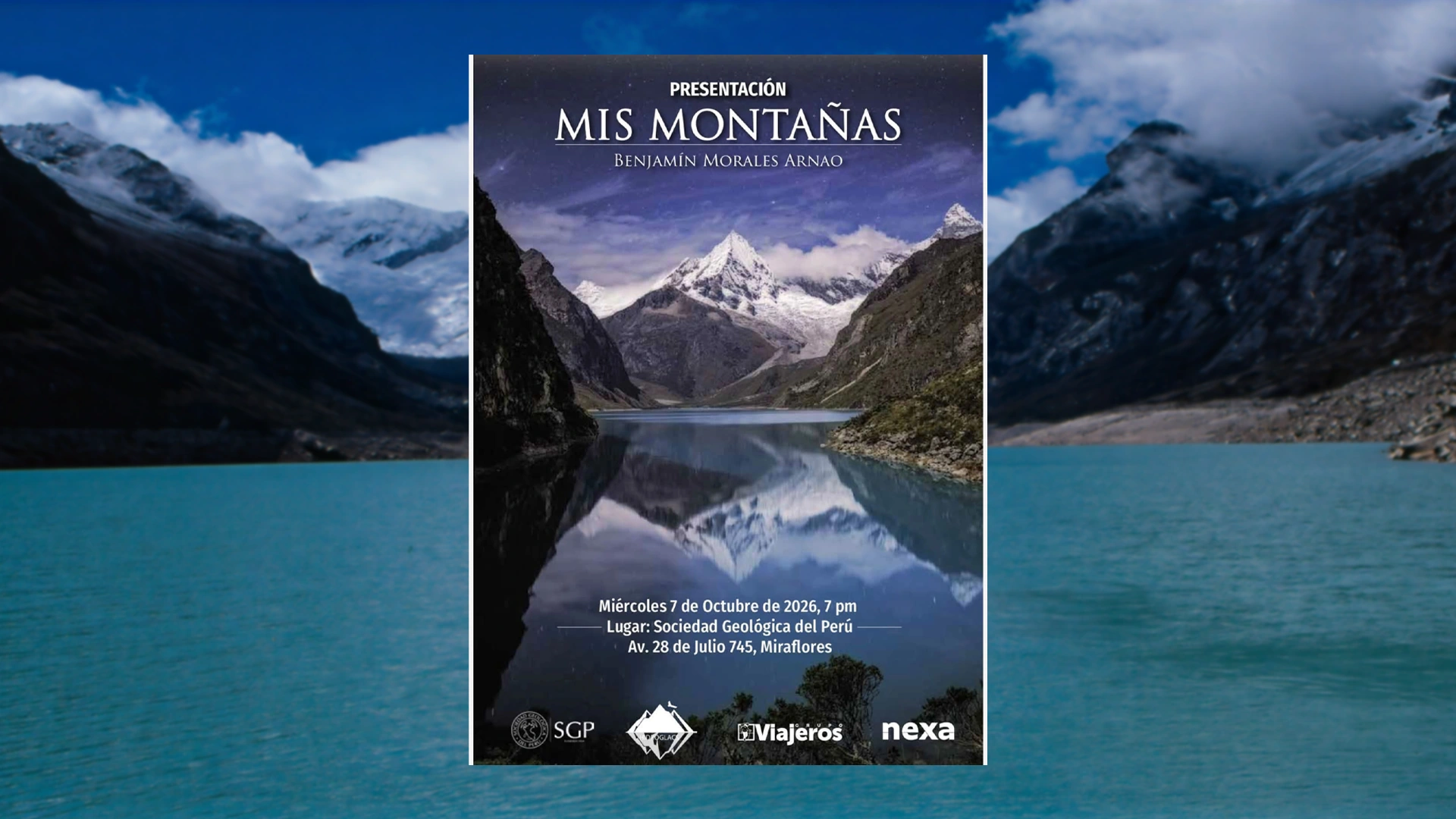
Peruvian media outlet Inforegion highlighted the publication of "Mis montañas" by Benjamín Morales Arnao, a seminal figure in Peruvian glaciology. Morales, who survived the 1941 Palcacocha flood that killed thousands in Huaraz, summarizes 75 years of scientific work and expeditions. His insights are increasingly relevant as Peru struggles to manage the risks posed by retreating glaciers and expanding glacial lakes, serving as a reminder of the historical precedent for modern disaster risk management.
Context & numbers
- Global Ice Loss: 1,400 gigatons lost between 2023 and 2025.
- Sea Level Rise: 1.1 ± 0.4 mm from glacier melt in 2025.
- Tropical Andes Trend: Previous studies indicate a mean cumulative glacier-wide mass loss of −40.64 ± 5.19 m w.e. between 2000 and 2018, establishing the baseline for current acceleration.
- High-Risk Lakes: Peru has identified 58 lagunas with "very high" overflow risk, many exacerbated by glacial melt.
On the radar
- El Niño Peak: Monitoring the peak intensity of the 2026 El Niño event to assess immediate impacts on Andean reservoir levels and glacial melt rates.
- Early Warning Systems: Watch for updates on the installation of new sensors in high-risk Peruvian glacial lakes, as current coverage remains limited compared to the number of identified hazards.
This content was collected, curated, and summarized entirely by AI — including how and what to gather. It may contain inaccuracies. Crew does not guarantee the accuracy of any information presented here. Always verify facts on your own before acting on them. Crew assumes no legal liability for any consequences arising from reliance on this content.
Powered by
