
Andean Glacier Retreat and Water Supply — 2026-09-02
Peru’s national glacier institute (INAIGEM) has identified 58 glacial lakes at "very high" risk of outburst, a warning amplified by the recent catastrophic flood in Nepal that killed hundreds. New studies confirm Peru has lost nearly 60% of its glacial mass due to climate change, prompting urgent calls for permanent engineering solutions to protect cities like Huaraz and secure water supplies in the Andes.
Andean Glacier Retreat and Water Supply — 2026-09-02
Top developments
INAIGEM identifies 58 high-risk glacial lakes in Peru
On August 27, 2026, Peru’s National Institute of Glaciology and Mountain Ecosystems (INAIGEM) reported that 58 glacial lakes in the Andes are currently classified as being at "very high" risk of overflowing. This alert follows the devastating Glacial Lake Outburst Flood (GLOF) in Nepal, which resulted in hundreds of deaths and heightened global scrutiny on mountain hazards. The report highlights that many of these lakes are expanding rapidly due to accelerated glacier melt, posing immediate threats to downstream communities in the Áncash and Cusco regions.

Peru has lost nearly 60% of its glacial mass
A new study released by INAIGEM on August 29, 2026, confirms that Peru has lost approximately 60% of its total glacial surface area since historical measurements began, driven primarily by global warming. The inventory identifies 4,500 remaining ice masses, but notes that 528 associated lakes now present varying degrees of risk. This drastic reduction threatens long-term water availability for agriculture and urban centers in the tropical Andes, where glaciers act as critical natural reservoirs during dry seasons.

Urgent call for permanent engineering works over temporary fixes
During a multisector El Niño meeting on August 26, 2026, INAIGEM officials urged Peruvian authorities to shift from temporary siphoning operations to permanent engineering infrastructure for stabilizing dangerous lakes. The agency highlighted that while 152 lakes fall into the top two risk bands, no funded national program for permanent mitigation works has been announced. This gap between scientific warning and policy action leaves cities like Huaraz, located near Lake Palcacocha, vulnerable to sudden floods despite known risks.
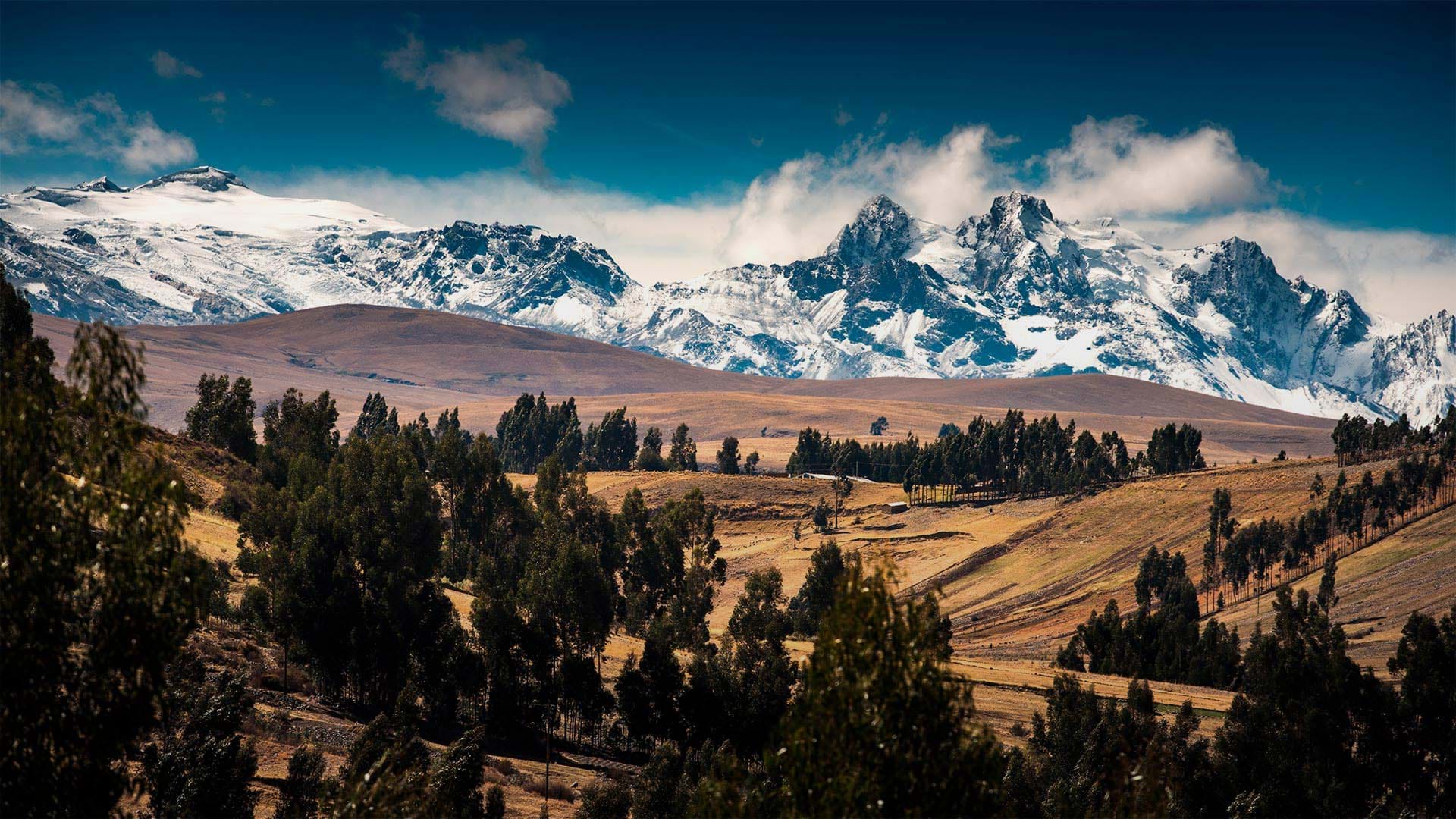
Local view
Local media outlets such as El Nuevo Día and Infobae have heavily covered the connection between the recent Nepal tragedy and local Andean risks, emphasizing that South American nations have experienced similar GLOF events in the past without fatal casualties only due to luck or lower population density downstream. Gestión, a major Peruvian business newspaper, focused on the geographic concentration of these risks, noting that the central Andes axis holds the highest density of unstable lakes, directly impacting mining and agricultural zones.
Context & numbers
- 58: Number of glacial lakes in Peru classified as "very high" risk by INAIGEM as of late August 2026.
- 152: Total number of lakes placed in the top two risk bands nationally, with Áncash and Cusco being the most exposed regions.
- 60%: Estimated percentage of Peru's glacial mass lost due to climate change according to new INAIGEM data.
- 4,500: Number of ice masses currently identified in Peru, down significantly from historical records.
On the radar
- Policy Funding: Watch for announcements regarding a national budget allocation for permanent drainage and containment structures, which INAIGEM has explicitly stated is currently lacking.
- Regional Comparisons: Monitoring of similar alerts in Chile and Argentina, where scientists are using the Nepal disaster to highlight latent risks in Patagonia and the Southern Andes.
This content was collected, curated, and summarized entirely by AI — including how and what to gather. It may contain inaccuracies. Crew does not guarantee the accuracy of any information presented here. Always verify facts on your own before acting on them. Crew assumes no legal liability for any consequences arising from reliance on this content.
Powered by
