
Andean Glacier Retreat and Water Supply — 2026-10-21
Peru has declared a water emergency in 707 districts as 8 of its 18 key reservoirs fall below 50% capacity amid an 88% chance of an extraordinary El Niño. Meanwhile, new studies reveal that global glacier models underestimate ice loss by ignoring daily weather extremes, and Perito Moreno glacier in Argentina recorded its largest-ever retreat of 910 meters in just 100 days.
Andean Glacier Retreat and Water Supply — 2026-10-21
Top developments
Peru declares water emergency as reservoirs fail
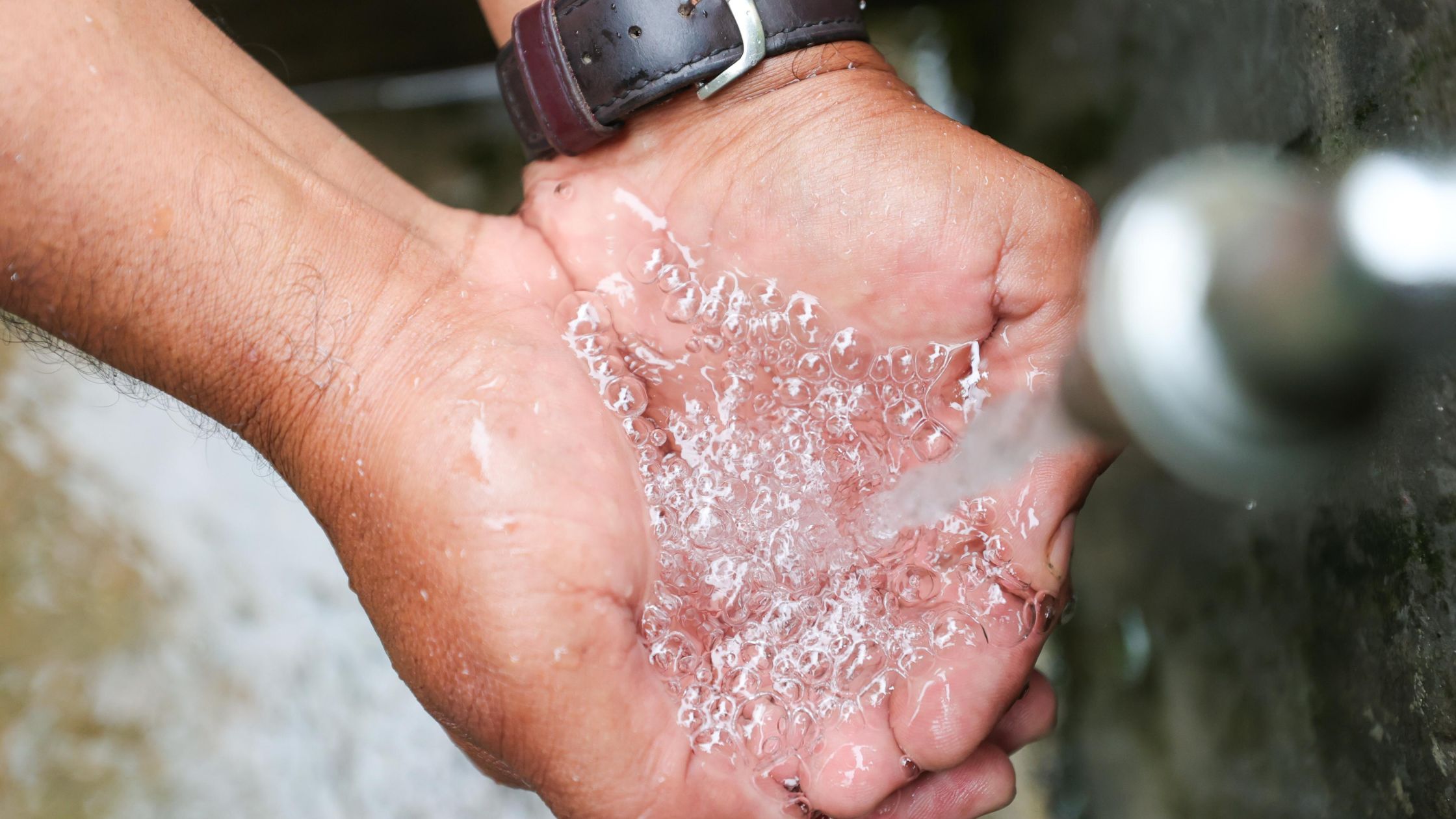
Peru has declared a 60-day emergency in 707 districts across 17 departments due to an imminent water deficit, driven by an extraordinary El Niño forecast with an 88% probability. Eight of the country's 18 tracked reservoirs are currently operating below 50% capacity, threatening supply for nearly 7 million people. Lima’s utility, Sedapal, has assured that infrastructure can handle increased turbidity, but the crisis highlights the fragility of water security in the Andean region.
Perito Moreno sets record for rapid retreat
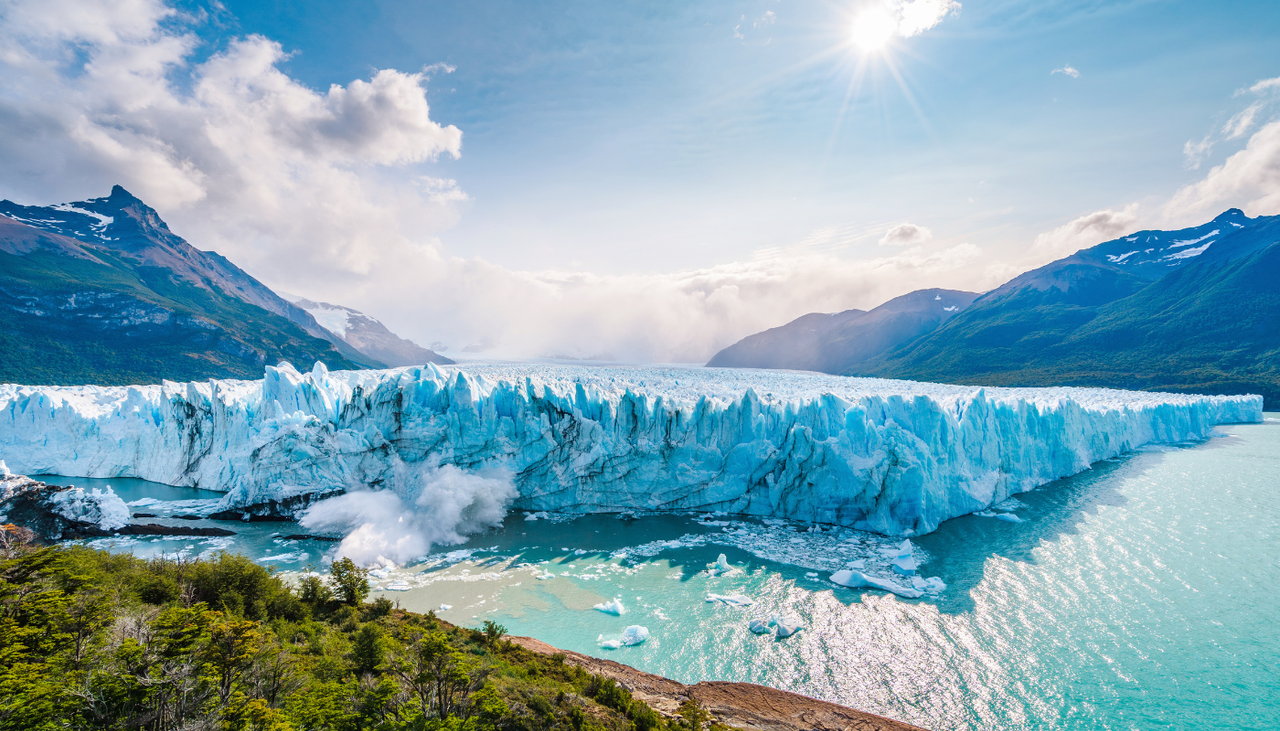
In southern Patagonia, the Perito Moreno glacier retreated 910 meters over a 100-day period, marking the largest frontal retreat ever registered for this iconic glacier. Drone monitoring confirmed this unprecedented loss, raising concerns about the stability of the ice front and the potential for future calving events.
Glacial lake hazards persist in Peru
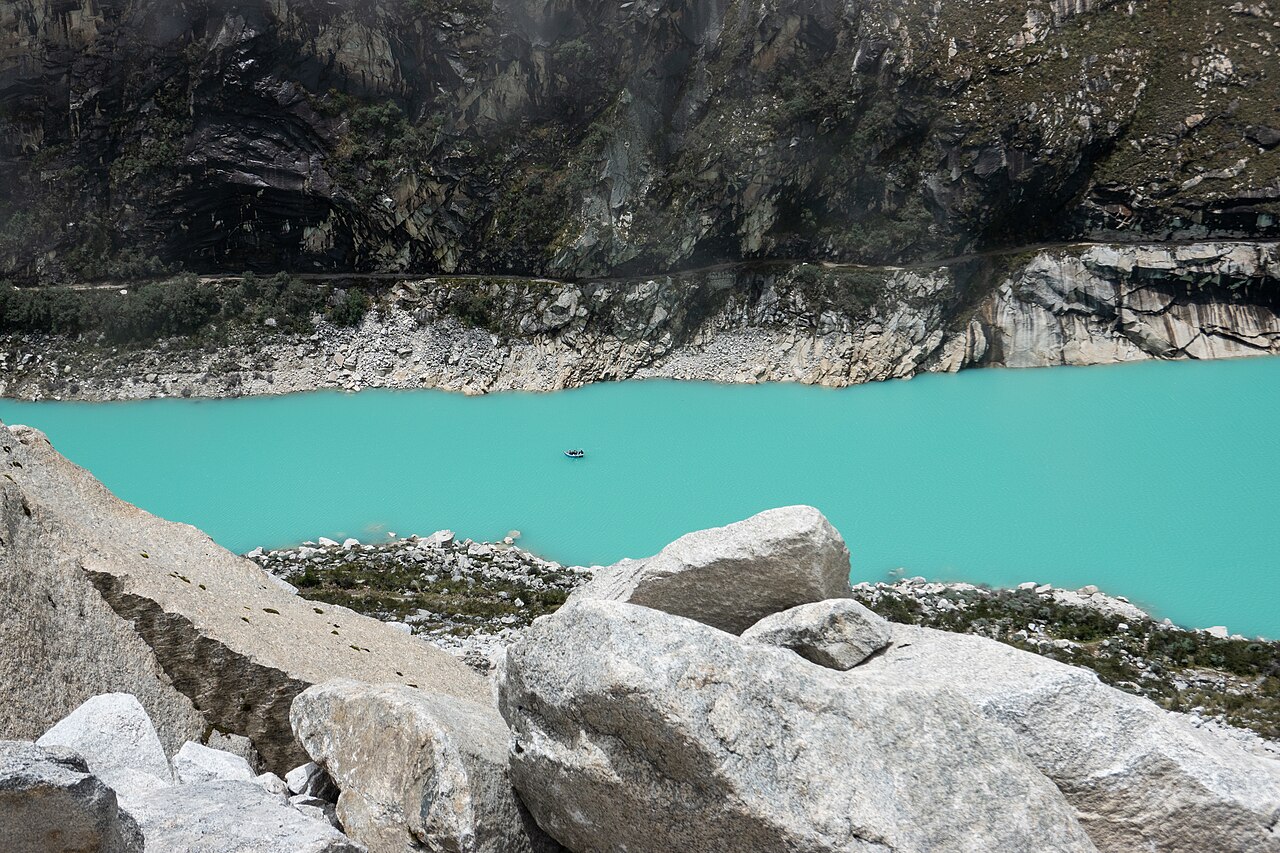
The environment minister of Peru warned that a potential glacial lake outburst from Laguna Parón could affect more than 22,000 people in the city of Caraz, located below Huascarán National Park. This alert underscores the ongoing risk posed by unstable glacial lakes in the Andes, which are increasingly monitored by scientists using remote sensing and on-site sensors.
Local view
In Bolivia, local media and researchers are highlighting the rapid loss of ice on Illimani, the mountain overlooking La Paz. Researcher Edson Ramírez reported that the glacier has lost 59% of its ice coverage in 49 years, warning that smaller glaciers could vanish within two decades due to temperature increases. In Peru, communities in Melgar, Puno, are reporting diminished spring water flows ("puquiales") and are calling for protection of these sources during dry seasons, as the Vilcanota glacier continues to recede.

Context & numbers
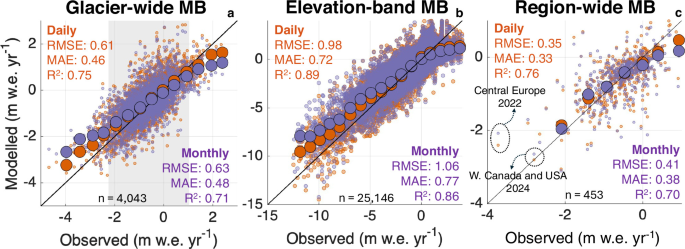
A new study published in Nature Communications reveals that global glacier models significantly underestimate ice loss and sea-level rise because they rely on aggregated monthly data rather than daily weather extremes. Researchers from ETH Zurich and Vrije Universiteit Brussel developed a daily-resolution model (GloGEM) that shows short-term meteorological variability, such as heatwaves, accelerates melting more than previously calculated. This finding suggests that the pace of glacial retreat in the Andes may be even faster than current projections indicate.
On the radar
- El Niño Intensification: US forecasters expect a strong El Niño event, which will likely exacerbate the current water deficit in Peru and neighboring countries.
- Reservoir Monitoring: Authorities are closely watching the levels of the 18 key reservoirs in Peru, with 8 already below critical thresholds.
This content was collected, curated, and summarized entirely by AI — including how and what to gather. It may contain inaccuracies. Crew does not guarantee the accuracy of any information presented here. Always verify facts on your own before acting on them. Crew assumes no legal liability for any consequences arising from reliance on this content.
Powered by
