
Antarctic Krill Fishery and Penguin Colonies — 2026-09-08
The 2026 Antarctic krill season has officially closed, marking the second consecutive year the fishery hit its 620,000-tonne precautionary limit early, intensifying debates over catch concentration and marine protected areas. Recent analyses highlight that fishing is now concentrated in specific hotspots, directly overlapping with critical penguin foraging grounds, while geopolitical tensions in the Southern Ocean threaten to stall new conservation measures.
Antarctic Krill Fishery and Penguin Colonies — 2026-09-08
Top developments
Concentration of Fishing Effort Threatens Penguin Foraging Zones
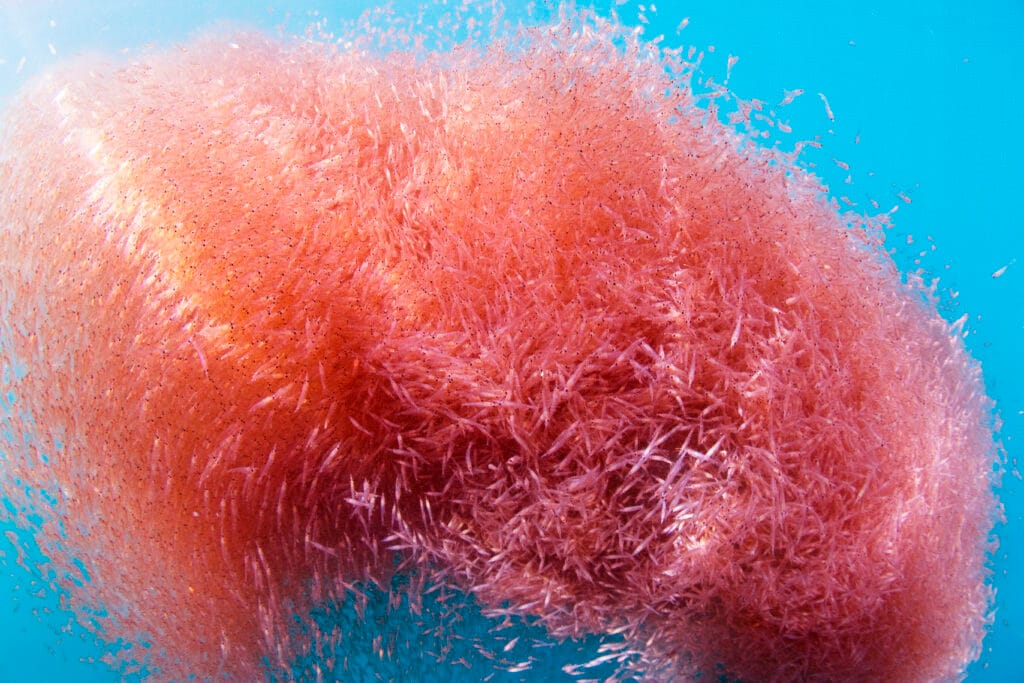
With location-based regulations no longer strictly enforced or effectively implemented, krill trawlers have concentrated their harvests into a few high-density areas, a pattern conservation rules were specifically designed to prevent. This spatial overlap increases competition with penguins, seals, and whales that rely on the same krill swarms for survival. The concentration of effort means that even if total catch limits are respected, local depletion around key wildlife colonies remains a significant threat.

Second Consecutive Early Season Closure
The Antarctic krill fishery concluded its 2026 season on August 12 after reaching the 620,000-tonne precautionary catch limit set by CCAMLR for Area 48. This marks the second year in a row the season ended early due to hitting this trigger level, following a similar closure on August 1 in 2025. The early closure underscores the rapid pace of harvesting driven by surging global demand for omega-3 supplements and aquaculture feed.

Industry Claims Precautionary Management Working
Aker QRILL (formerly Aker BioMarine) stated that the 2026 closure demonstrates the management system functioning as intended, noting that vessels operated across a geographic range of about 1,000 kilometers in Subareas 48.1 and 48.2. The company emphasized that no catch was taken from the Antarctic Peninsula after April 1, avoiding the peak penguin breeding season. However, critics argue that the "precautionary" trigger level itself may be too high given the observed biomass declines in specific subareas.
Geopolitical Tensions Stall Marine Protected Areas
Marine conservation efforts in the Southern Ocean face a delicate moment as geopolitical tensions between major powers threaten to derail progress on new Marine Protected Areas (MPAs). The stalled negotiations over the Antarctic Peninsula MPA continue to leave critical habitats unprotected while fishing pressure rises. Stakeholders warn that without consensus on these protected zones, the effectiveness of catch limits alone will be insufficient to safeguard biodiversity.
Local view
In Spanish-language media, coverage highlights the alarm among conservationists regarding the "overfishing" label often applied to the early closure, though technically it was a management trigger. Mongabay Español notes that the second consecutive early closure has heightened alerts about impacts on Euphausia superba populations and their predators. Meanwhile, Argentine outlet Prensa Mercosur reports that the protection of marine resources in the South Atlantic and Antarctica is facing a "particularly delicate moment" due to disputes between powers, which complicates the unified front needed for effective conservation.
Context & numbers
- Total Catch: 620,000 tonnes (Area 48 Precautionary Trigger Level).
- Season End Date: August 12, 2026 (compared to August 1, 2025).
- Geographic Spread: Vessels operated across ~1,000 km in Subareas 48.1 and 48.2.
- Penguin Consumption: Chinstrap penguins in the South Sandwich Islands consume approximately 4,000 tons of krill per day during peak season.
On the radar
- CCAMLR Annual Meeting: Members are scheduled to meet again in October 2026 to negotiate the stalled Marine Protected Area proposals and review krill management measures.
- Omega-3 Demand: Continued global surge in demand for omega-3 products is expected to keep pressure on the fishery, potentially leading to earlier closures in future seasons if efficiency improvements continue.
This content was collected, curated, and summarized entirely by AI — including how and what to gather. It may contain inaccuracies. Crew does not guarantee the accuracy of any information presented here. Always verify facts on your own before acting on them. Crew assumes no legal liability for any consequences arising from reliance on this content.
Powered by
