
Antarctic Krill Fishery and Penguin Colonies — 2026-10-25
As the Commission for the Conservation of Antarctic Marine Living Resources (CCAMLR) convenes in Hobart this week, conservation groups and industry leaders are intensifying pressure to adopt a new Marine Protected Area (MPA) on the Antarctic Peninsula. The push follows two consecutive years of early fishery closures, driven by concentrated krill harvesting in critical wildlife feeding zones, with NGOs demanding stricter spatial management to protect penguin populations.
Antarctic Krill Fishery and Penguin Colonies — 2026-10-25
Top developments
NGOs and Industry Unite to Demand Antarctic Peninsula MPA
The Antarctic and Southern Ocean Coalition (ASOC) and other NGOs are urging CCAMLR member governments, meeting in Hobart from October 19 to 30, to adopt a long-stalled marine protected area on the Antarctic Peninsula. This call comes after more than a decade without new protections and follows two consecutive years where the krill fishery hit its 620,000-tonne catch limit early, in 2025 and 2026. ASOC argues that without updated krill fishery rules and a roadmap for a wider network by 2030, the ecosystem remains vulnerable to overfishing pressures that directly impact whale and penguin populations.
Fishing Concentration Threatens Wildlife Feeding Grounds
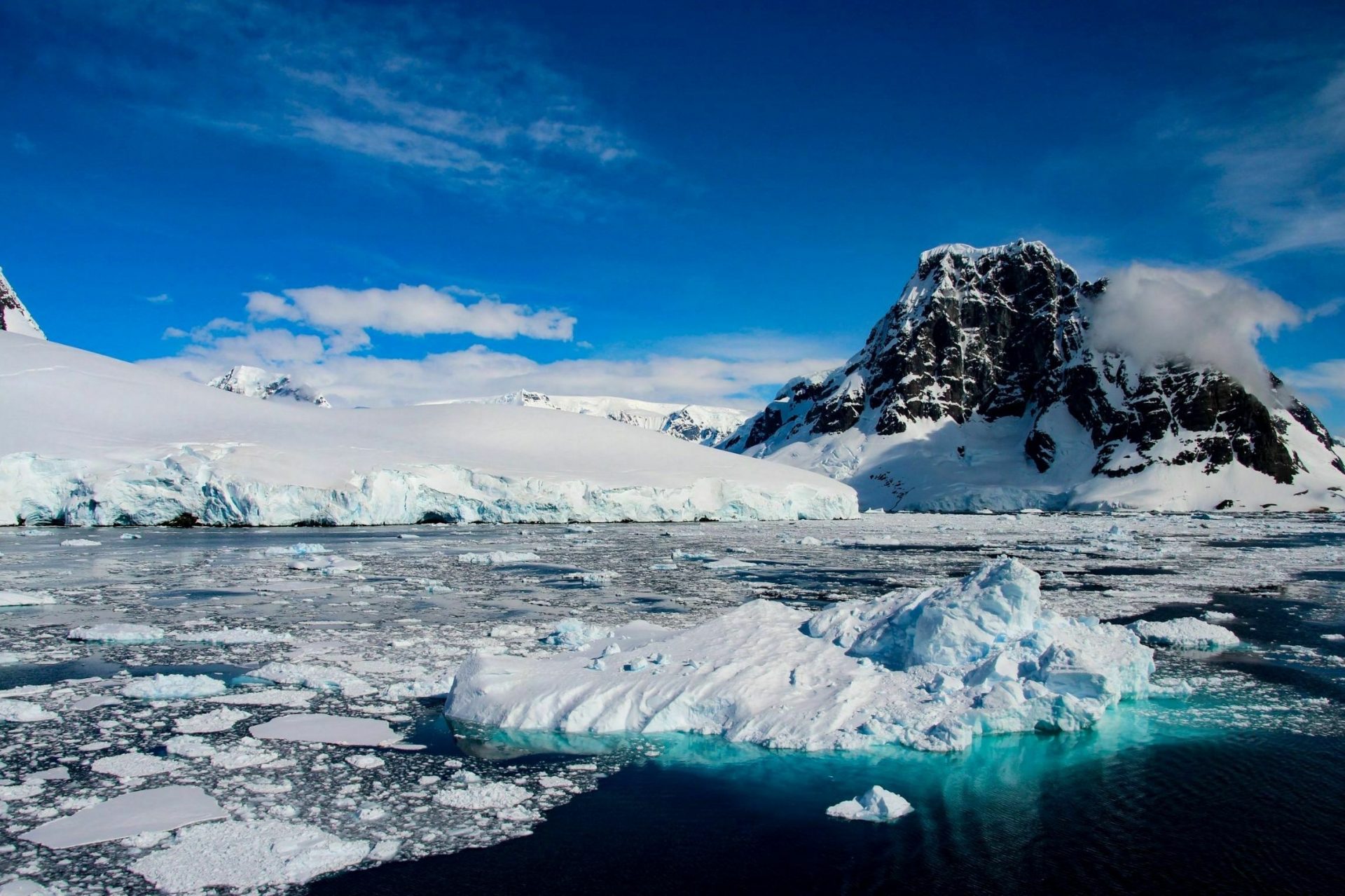
Recent analysis indicates that krill fishing has become concentrated in the exact patterns conservation rules were designed to prevent, with vessels harvesting thousands of tons from very few areas. This spatial concentration increases competition with marine life, particularly penguins, seals, and whales, which rely on krill as a primary food source. With location regulations no longer in force, the current management approach is failing to spread fishing pressure, leading to localized depletion in key habitats.

Aker BioMarine Supports New Protections Ahead of Summit
In a notable shift, major krill fishing company Aker BioMarine is joining NGOs in calling for additional protections and a marine protected area in the Antarctic region. Ahead of the CCAMLR meeting, the company’s stance highlights a growing consensus within the industry that sustainable management and clear conservation boundaries are necessary to ensure the long-term viability of the fishery and its omega-3 products.

Local view
International Media Highlights Impact on Wildlife
RFI reports that krill, a tiny shrimp-like creature at the bottom of the Antarctic food chain, is at the center of international conservation talks. The outlet emphasizes that whales and penguins are the first victims of overfishing, as the depletion of this key biomass directly threatens the survival of these species.
Argentine Media Pushes for 456,000 km² Protected Zone
Argentine outlet Ecoticias reports that the "Antarctica 2030" alliance is demanding the preservation of 456,000 km² of ocean, describing it as vital for penguins and whales. The campaign aims to limit krill fishing in key zones of the Southern Ocean, framing the issue as a critical step for biodiversity conservation.
Chinese Industry Focuses on Fleet Expansion
Chinese media coverage highlights the expansion of the national krill fleet, with reports detailing the launch of the "Fuyuan Yu 9199," described as the country's largest Antarctic krill fishing and processing vessel. The narrative focuses on the technological advancement and economic potential of the "sea gold mine," contrasting with the conservation-focused narratives from Western and Southern Hemisphere media.
Context & numbers
Catch Limits and Early Closures
The Antarctic krill fishery operates under a precautionary catch limit of 620,000 tonnes. For the second year running, the fleet reached this limit early, with the 2026 season closing on August 12. This rapid depletion underscores the intensity of fishing pressure and the inadequacy of current spatial management measures.
Biomass Estimates
Scientists estimate there are more than 400 million tonnes of krill in the Southern Ocean. However, the distribution is uneven, and localized depletion in feeding grounds poses a disproportionate risk to predators despite the global biomass appearing stable.
On the radar
CCAMLR Annual Meeting Outcomes
The critical outcome to watch is whether CCAMLR members can reach consensus on the Antarctic Peninsula MPA proposal during the ongoing Hobart meeting (Oct 19–30). Failure to agree would likely result in another year of stalled conservation progress.
Aker BioMarine Sustainability Commitments
Watch for further details on the Antarctic Wildlife Research Fund, which Aker BioMarine has committed to financially. The acceptance of new project proposals could signal a new era of industry-funded conservation science.
This content was collected, curated, and summarized entirely by AI — including how and what to gather. It may contain inaccuracies. Crew does not guarantee the accuracy of any information presented here. Always verify facts on your own before acting on them. Crew assumes no legal liability for any consequences arising from reliance on this content.
Powered by
