
Antarctic Krill Fishery and Penguin Colonies — 2026-10-11
A major new study reveals that chinstrap penguins on Zavodovski Island have declined by more than 500,000 individuals in 14 years, a collapse researchers link to shifting krill availability driven by climate change and concentrated fishing. Simultaneously, reports highlight China’s doubling of krill catches and Norway’s ongoing regulatory battles over Aker BioMarine’s operations, just weeks before the critical CCAMLR annual meeting.
Antarctic Krill Fishery and Penguin Colonies — 2026-10-11
Top developments
Zavodovski Island Chinstrap Colony Loses World’s Largest Title
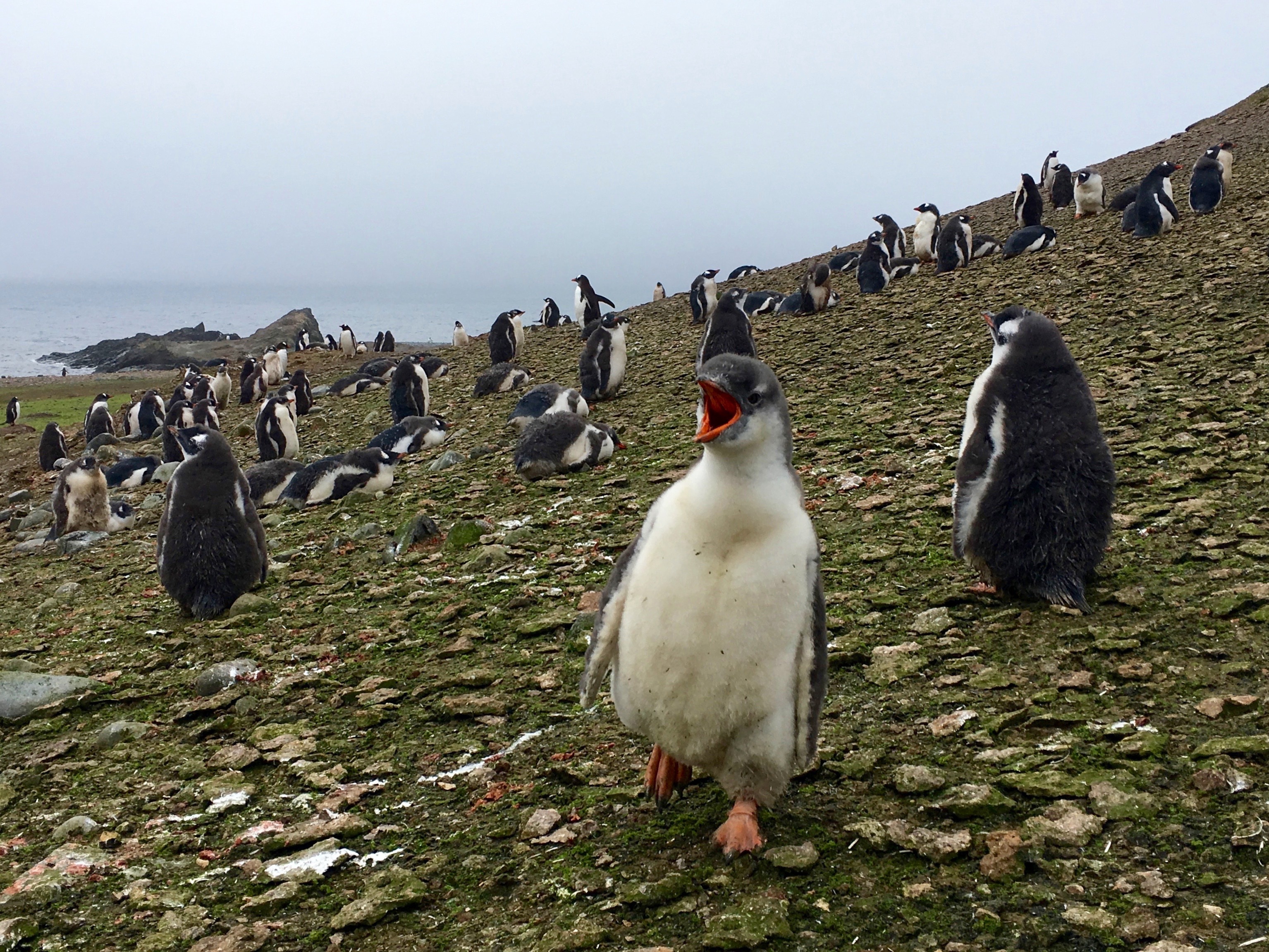
A new study published this week found that the world’s largest chinstrap penguin colony on Zavodovski Island has lost over 500,000 birds since 2011, with populations dropping by more than half. Researchers attribute this drastic decline to a southward shift in krill availability, exacerbated by human-induced warming and localized fishing pressure. The loss of the "world's largest" title marks a significant ecological milestone, signaling that even remote colonies are vulnerable to the combined effects of climate change and industrial krill harvesting.
China Doubles Antarctic Krill Catches Amid Climate Concerns
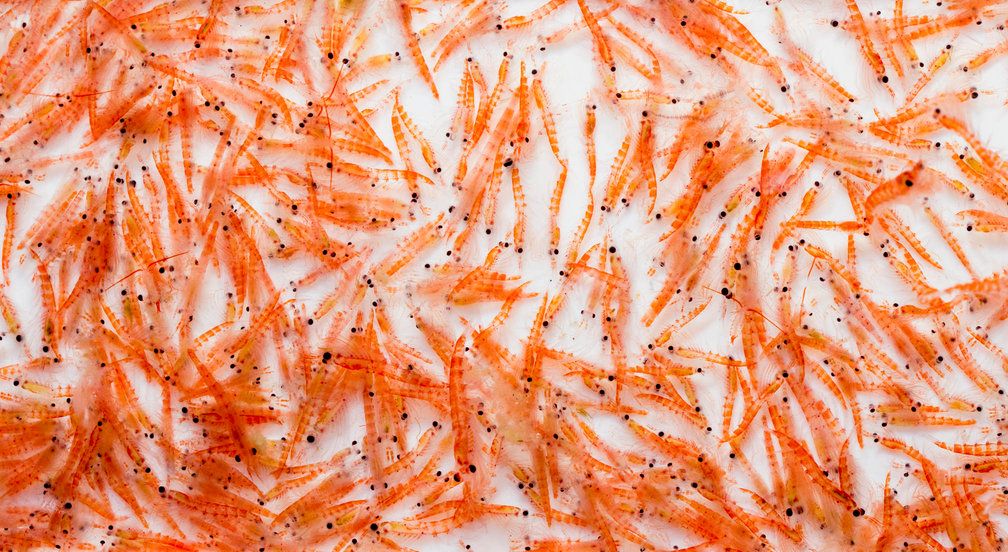
China has significantly expanded its footprint in the Southern Ocean, with reports indicating its fleet captured 231,000 tonnes of krill in 2025, effectively doubling its previous output. This surge raises alarms among conservationists who note that krill plays a vital role in carbon sequestration, capturing an estimated 20 million tonnes of carbon annually. The expansion underscores the geopolitical tension between food security ambitions and the preservation of the Southern Ocean’s ecosystem services.

Aker BioMarine Funds Wildlife Research Amid Norwegian Scrutiny
In a move to bolster its sustainability credentials, Aker BioMarine has committed significant financial resources to the Antarctic Wildlife Research Fund (AWR), which is now accepting project proposals. This announcement comes as Norwegian media, including E24, report on political pressure to revoke or restrict Aker’s billion-dollar krill concession due to concerns over ecological impact and alleged unfair advantages for the Røkke family. The funding commitment aims to balance commercial interests with independent scientific oversight.
Emperor Penguin Tracking Project Launches
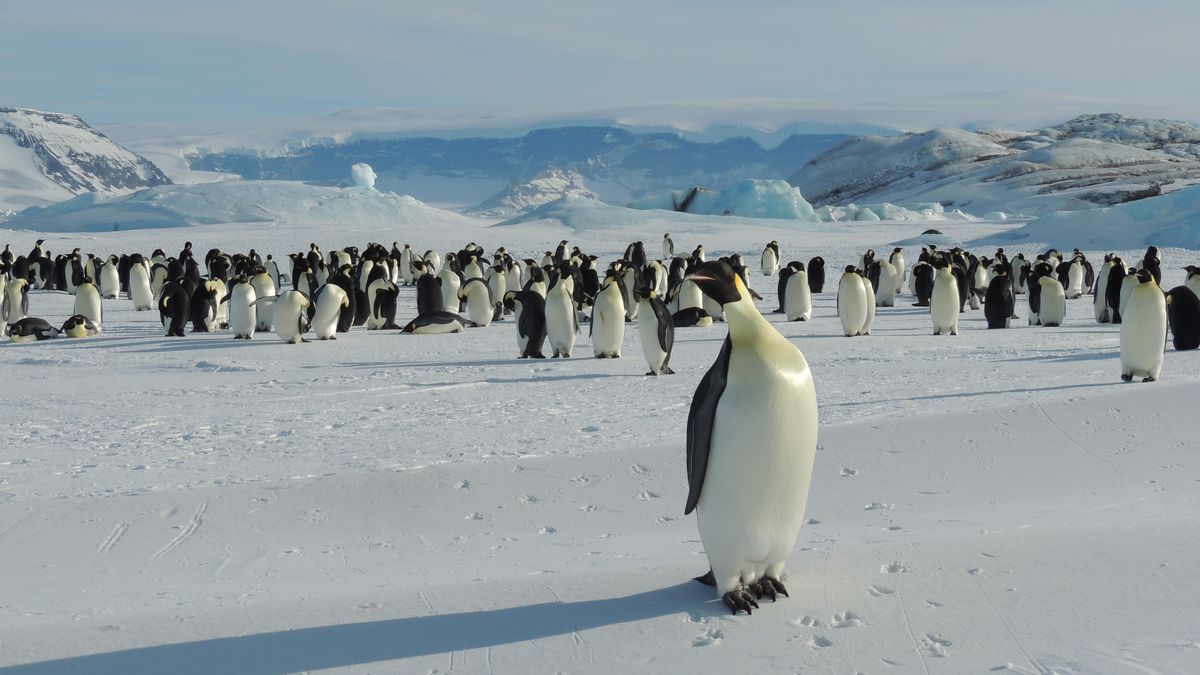
Argentine media reported this week on a new initiative to track emperor penguins via satellite to better understand their feeding routes and how sea ice conditions influence breeding success. The project, which will make data freely available online, is designed to provide critical insights into the species' response to environmental changes, including those caused by the krill fishery. This local scientific effort adds to the growing body of evidence linking predator health to ice stability and prey availability.
Local view
In Norway, E24 reports that opposition parties and environmental groups are demanding the government revoke Aker BioMarine’s krill concession, arguing that the initial approval was flawed and that the company has received undue state support. The debate centers on whether the current regulatory framework adequately protects the ecosystem against concentrated trawling.
In Spanish-speaking regions, Euronews highlights the "concerning decline" of penguins on Zavodovski Island, emphasizing that the isolation of the colony (2,000 km from humans) proves that global climate forces, rather than local disturbance, are the primary drivers of the population crash.
Context & numbers
The total catch limit for the Antarctic krill fishery remains 620,000 tonnes, a threshold reached early for the second consecutive year in August 2026. China’s 2025 catch of 231,000 tonnes represents a dominant share of this total, while other nations like South Korea (44,000 tonnes) and Chile (26,000 tonnes) have seen stagnant production. The CCAMLR annual meeting, scheduled for October 2026, will decide on proposals for a Marine Protected Area around the Antarctic Peninsula and modernized krill management rules.
On the radar
- CCAMLR Annual Meeting: The commission meets later this month to vote on the Antarctic Peninsula MPA and new krill management measures; failure to pass these could lead to continued unregulated concentration of fishing efforts.
- Norwegian Concession Review: Watch for further political developments regarding the potential revocation of Aker BioMarine’s krill fishing concession in Norway.
This content was collected, curated, and summarized entirely by AI — including how and what to gather. It may contain inaccuracies. Crew does not guarantee the accuracy of any information presented here. Always verify facts on your own before acting on them. Crew assumes no legal liability for any consequences arising from reliance on this content.
Powered by
