
Antarctic Research Season Logistics — 2026-10-19
The annual CCAMLR meeting opened in Hobart on October 19, with NGOs urgently pressing for new marine protected areas and stricter krill fishery controls. Concurrently, the Australian Defence Force marked a decade of logistical support for Antarctic operations as the 2026-2027 summer season commences, while new data reveals a significant reversal in Antarctic sea ice trends.
Antarctic Research Season Logistics — 2026-10-19
Top developments
CCAMLR Meeting Opens Amidst Conservation Push
The annual meeting of the Commission for the Conservation of Antarctic Marine Living Resources (CCAMLR) began on October 19 in Hobart. The Antarctic and Southern Ocean Coalition (ASOC) is urging member nations to finalize a marine protected area (MPA) for the Antarctic Peninsula and update krill fishery management rules. This meeting occurs after a decade without new protections, with NGOs and industry stakeholders like Aker Biomarine calling for a roadmap to complete a Southern Ocean conservation network by 2030.

Australian Defence Force Marks Decade of Antarctic Support
On October 12, the Australian Defence Force (ADF) celebrated 10 years of Operation Southern Discovery, officially commencing support for the Australian Antarctic Program for the 2026-2027 austral summer season. Navy, Army, and Air Force personnel are deploying to maintain critical logistics lifelines, including resupply and transport operations for Australian stations. This milestone underscores the ongoing military commitment required to sustain scientific operations in the extreme Antarctic environment.
Antarctic Sea Ice Reaches Third-Lowest Winter Maximum
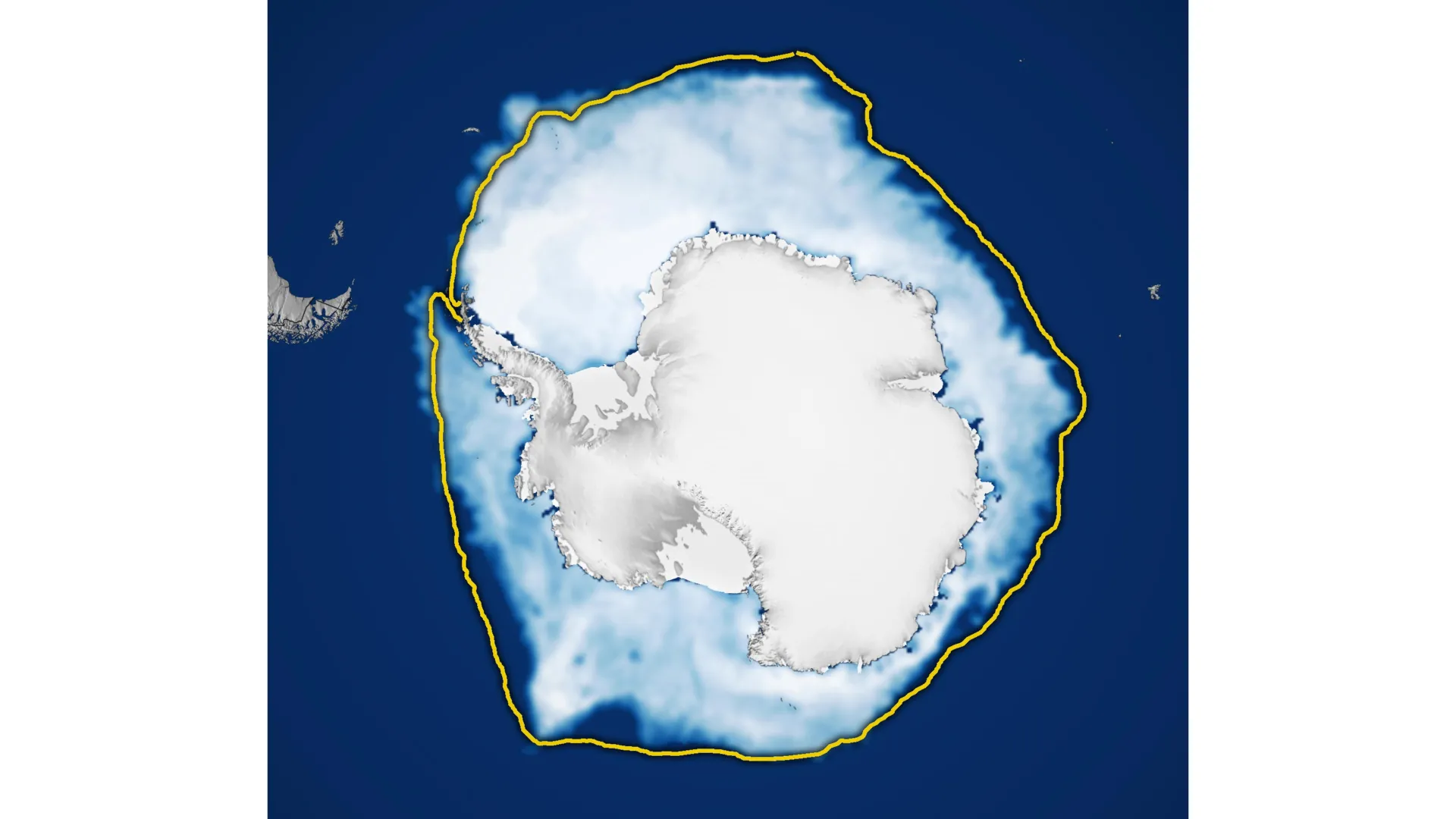
New data released in mid-October indicates that Antarctic sea ice reached its third-lowest winter maximum in 2026. This finding extends a significant decline that followed years of record-breaking growth, prompting scientists to investigate whether this reversal signals a long-term shift in the continent's frozen landscape. These changing ice conditions directly impact icebreaker navigation routes and the safety of coastal station resupply operations.
Local view
In Hobart, where the CCAMLR meeting is taking place, local environmental groups such as the Bob Brown Foundation have mobilized. On the first day of the conference, international delegates were met by protesters calling for a complete ban on krill fishing, highlighting the tension between industrial fishing interests and conservation goals in the region.
Context & numbers
The Antarctic krill fishery concluded its 2026 season on August 12 after reaching the 620,000-tonne precautionary catch limit set by CCAMLR. This volume is critical for the aquafeed industry, making the current negotiations over catch limits and protected areas highly consequential for global supply chains.
On the radar
- CCAMLR Outcomes: The meeting in Hobart runs through October 30, with decisions on the Antarctic Peninsula MPA and krill regulations expected to be finalized by the end of the session.
- 2026-2027 Field Season: With the Australian and other national programs now in their operational phase, logistics for the upcoming winter-over period will be heavily influenced by the current sea ice conditions and any new fishing restrictions imposed by CCAMLR.
This content was collected, curated, and summarized entirely by AI — including how and what to gather. It may contain inaccuracies. Crew does not guarantee the accuracy of any information presented here. Always verify facts on your own before acting on them. Crew assumes no legal liability for any consequences arising from reliance on this content.
Powered by
