
Aral Sea Basin and Central Asian Water — 2026-09-08
Central Asian nations are intensifying diplomatic efforts to resolve long-standing water disputes, with new agreements on reservoir operations and water accounting emerging this week. Simultaneously, concerns over the Qosh Tepa canal in Afghanistan continue to dominate regional security discussions, while scientific reports highlight the ongoing ecological risks of salt dust from the drying Aral Sea.
Aral Sea Basin and Central Asian Water — 2026-09-08
Top developments
Five Nations Reaffirm Water Sharing Protocols
On September 7, 2026, representatives from Kazakhstan, Kyrgyzstan, Tajikistan, Turkmenistan, and Uzbekistan signed updated protocols regarding the distribution of water resources from the Syr Darya and Amu Darya rivers. These agreements aim to secure irrigation supplies for the upcoming agricultural season and address growing tensions over hydropower generation versus downstream water needs. The move is critical for stabilizing flows into the Aral Sea basin, where reduced inflows have historically exacerbated seabed dust storms.
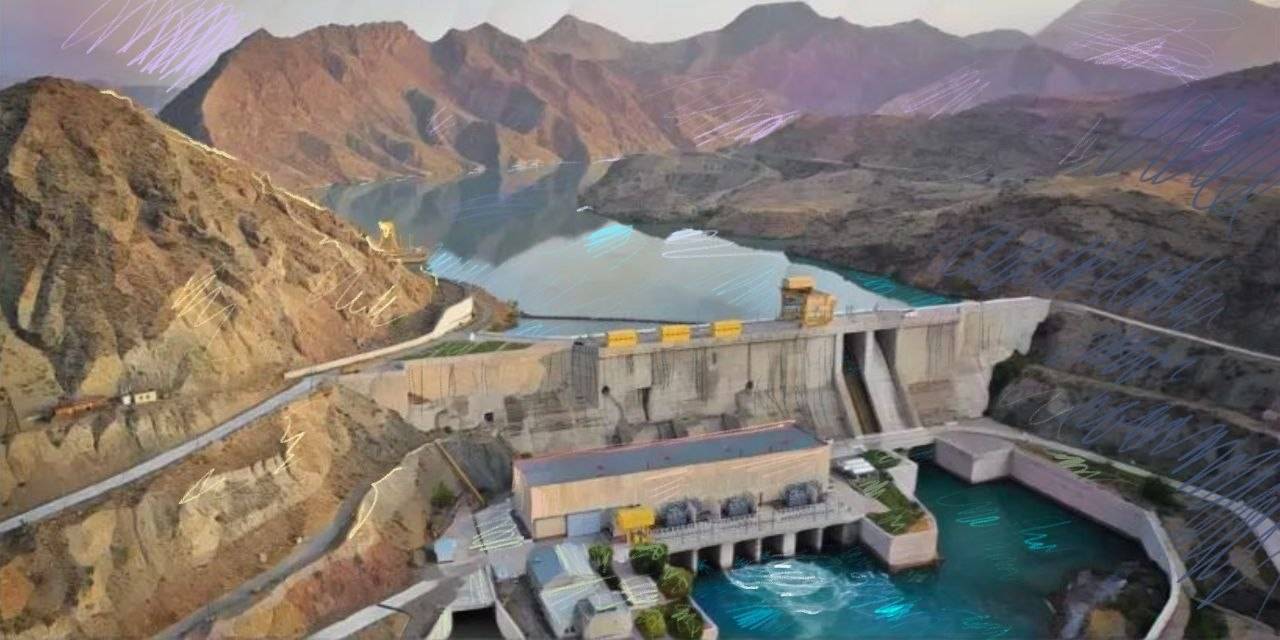
Energy Transition Linked to Water Security
A report published on September 3, 2026, emphasizes that Central Asia’s energy transition is inextricably linked to water security. The analysis argues that a more integrated and flexible power system is necessary for states to manage drought conditions and hydropower volatility. This is particularly relevant for the Syr Darya basin, where upstream reservoir releases in winter (for power) often conflict with downstream irrigation needs in summer, affecting water availability for the Aral Sea’s northern sections.

Concerns Over Qosh Tepa Canal Persist
Discussions continue regarding the Qosh Tepa Canal in Afghanistan, a 285-kilometer project intended to irrigate northern Afghan provinces by diverting water from the Amu Darya. Recent analyses highlight that the canal could divert up to 17% of the river's flow, posing a severe threat to water availability in Uzbekistan and Turkmenistan. While Afghanistan urges regional cooperation, Central Asian states remain wary of unilateral actions that could destabilize the already fragile water balance of the Aral Sea basin.

Local view
UzDaily.uz highlights a critical perspective: Central Asia does not necessarily lack water, but rather the readiness to manage deficits. The outlet notes that nearly four-fifths of the region's population depends on transboundary water systems, yet severe droughts recur frequently. This sentiment reflects local anxieties about the sustainability of current water-sharing agreements in the face of climate change.
Strategy.uz reports that in Uzbekistan, 90-91% of water consumption is directed toward agriculture, with significant losses due to outdated irrigation infrastructure. The center emphasizes that improving water-saving technologies is essential to mitigate the impact of reduced flows from the Amu Darya and Syr Darya, which are increasingly stressed by upstream diversions like Qosh Tepa.
Context & numbers
- Water Dependency: Approximately 80% of Central Asia's population relies on transboundary water systems.
- Agricultural Share: In Uzbekistan, agriculture accounts for 90-91% of total water consumption.
- Qosh Tepa Impact: The canal has the potential to divert up to 17% of the Amu Darya's flow.
- Recent Agreements: The Regional Ecological Summit in Astana (April 2026) resulted in 17 agreements worth over $2.3 billion, focusing on renewable energy and water management, setting the stage for current negotiations.
On the radar
- Working Group Formation: A special working group on automating water accounting in the Syr Darya basin is expected to be established by September 2026, following recent agreements between Kazakhstan and other Central Asian states.
- Kambarata-1 Progress: Continued international attention on the $4.2 billion Kambarata-1 hydropower project, jointly developed by Kyrgyzstan, Uzbekistan, and Kazakhstan, which aims to enhance regional energy independence but requires careful water management.
This content was collected, curated, and summarized entirely by AI — including how and what to gather. It may contain inaccuracies. Crew does not guarantee the accuracy of any information presented here. Always verify facts on your own before acting on them. Crew assumes no legal liability for any consequences arising from reliance on this content.
Powered by
