
Aral Sea Basin and Central Asian Water — 2026-09-15
Five Central Asian nations convened in Turkmenistan to finalize implementation mechanisms for transboundary water sharing in the Aral Sea basin. Concurrently, Tajikistan advanced a billion-dollar contract for the Rogun Hydropower Plant, while new scientific analysis highlighted the dried Aral seabed’s role as a significant carbon source. <!-- /headline --> <!-- headline -->Central Asia Locks In Water Sharing Deal as Rogun Gets Billion-Dollar Boost<!-- /headline -->
Aral Sea Basin and Central Asian Water — 2026-09-15
Five Central Asian nations convened in Turkmenistan to finalize implementation mechanisms for transboundary water sharing in the Aral Sea basin. Concurrently, Tajikistan advanced a billion-dollar contract for the Rogun Hydropower Plant, while new scientific analysis highlighted the dried Aral seabed’s role as a significant carbon source.
<!-- /headline -->Top developments
Turkmenistan hosts key water cooperation talks
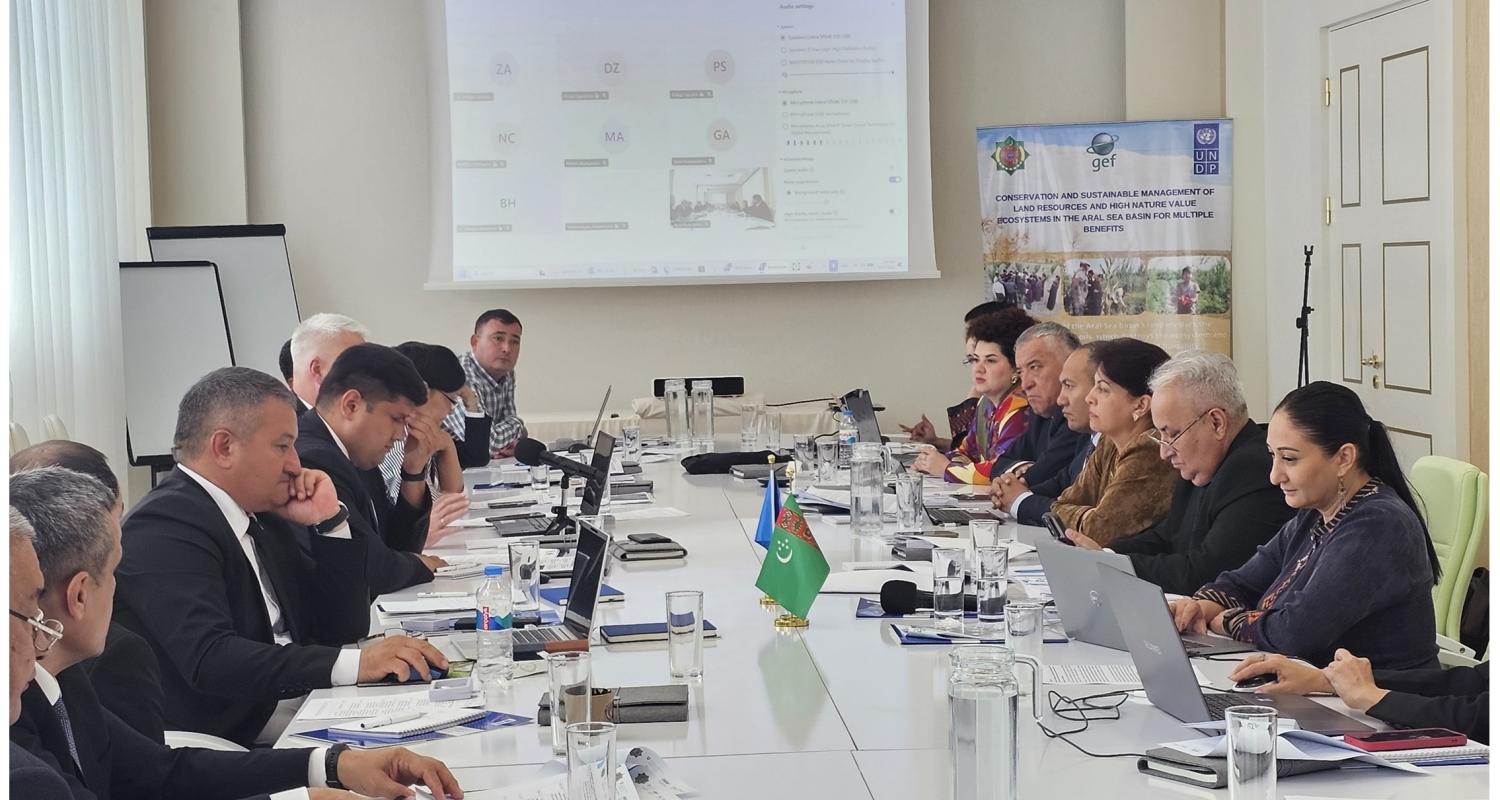
On September 14, 2026, the second consultative meeting of Central Asian countries regarding the Aral Sea basin took place at the "Avaza" National Tourist Zone in Turkmenistan. The meeting focused on developing and defining mechanisms for implementing agreements on water resource distribution between the five republics. This high-level dialogue is critical for stabilizing flows in the Amu Darya and Syr Darya, aiming to prevent unilateral diversions that exacerbate regional tensions and dust storms from the exposed seabed.
Tajikistan prepares billion-dollar contract for Rogun HPP
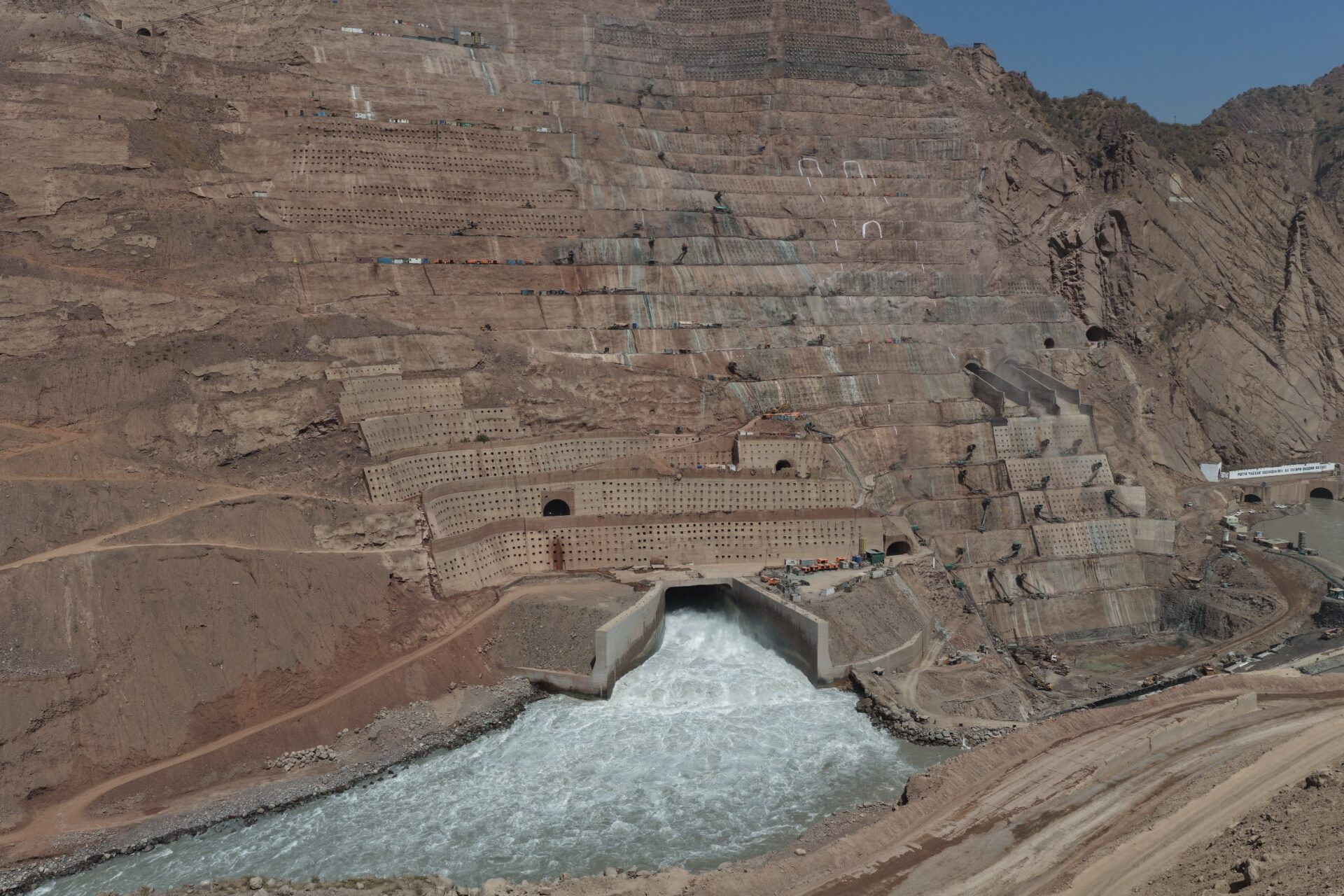
As of September 15, 2026, reports indicate that a billion-dollar contract is being prepared for the construction of remaining right-bank facilities at the Rogun Hydropower Plant in Tajikistan. This development underscores the ongoing energy-water dilemma in the region, where upstream storage projects like Rogun are viewed by downstream neighbors (Uzbekistan, Kazakhstan, Turkmenistan) as potential threats to irrigation flows in the Amu Darya basin during dry seasons. The financing move signals Tajikistan's commitment to completing the dam despite historical diplomatic friction over water release schedules.
Dried Aral seabed identified as carbon source
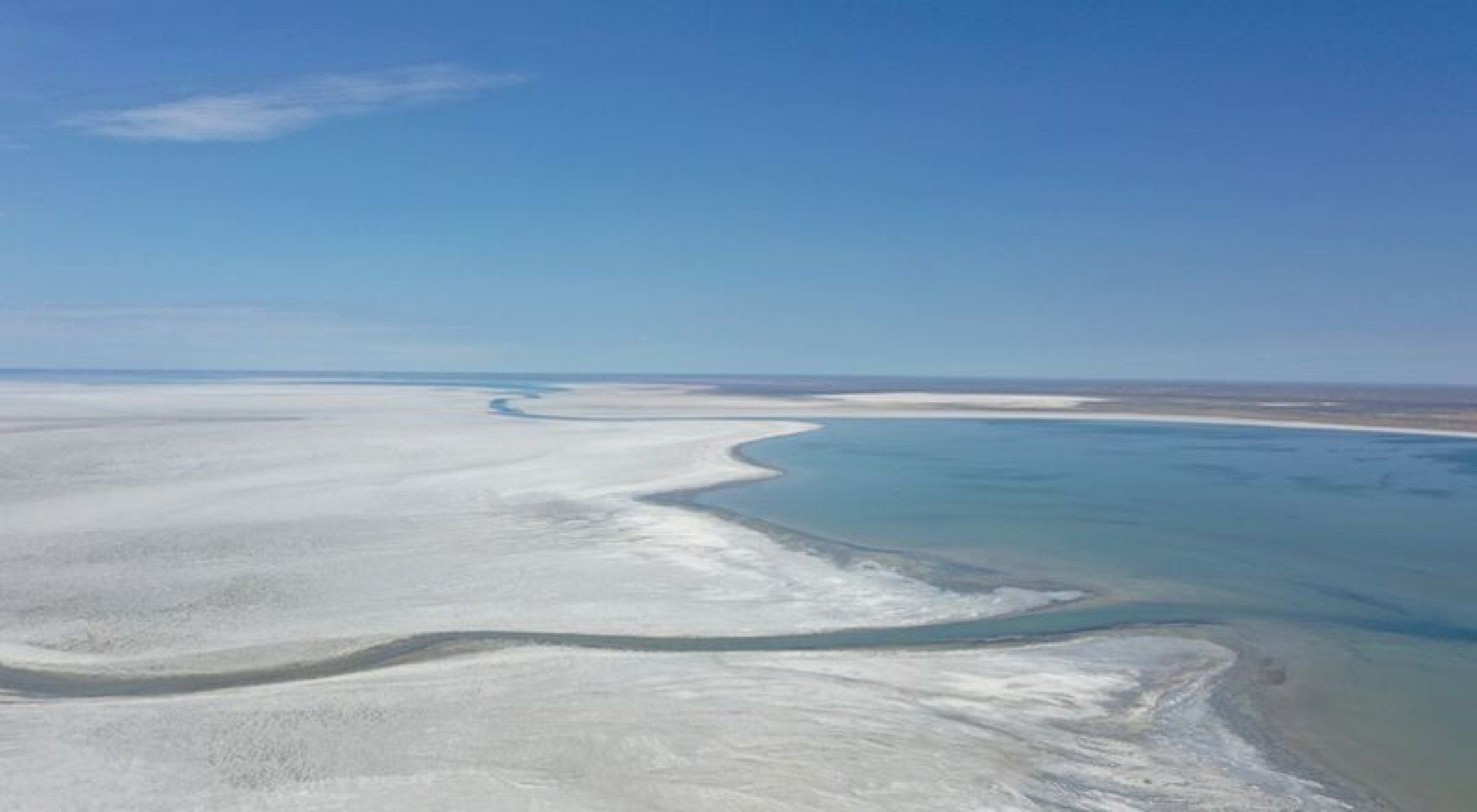
A new analysis published on September 15, 2026, highlights that the dried bottom of the Aral Sea has become a significant source of carbon emissions. The article discusses two competing rehabilitation strategies for the region, emphasizing that the exposed seabed not only generates toxic salt-dust storms affecting local health but also contributes to climate change through carbon release. This finding adds urgency to re-wetting or stabilization efforts along the former sea bed to mitigate both local air quality issues and global greenhouse gas contributions.
Local view
Uzbekistan: Qosh Tepa Canal fears persist
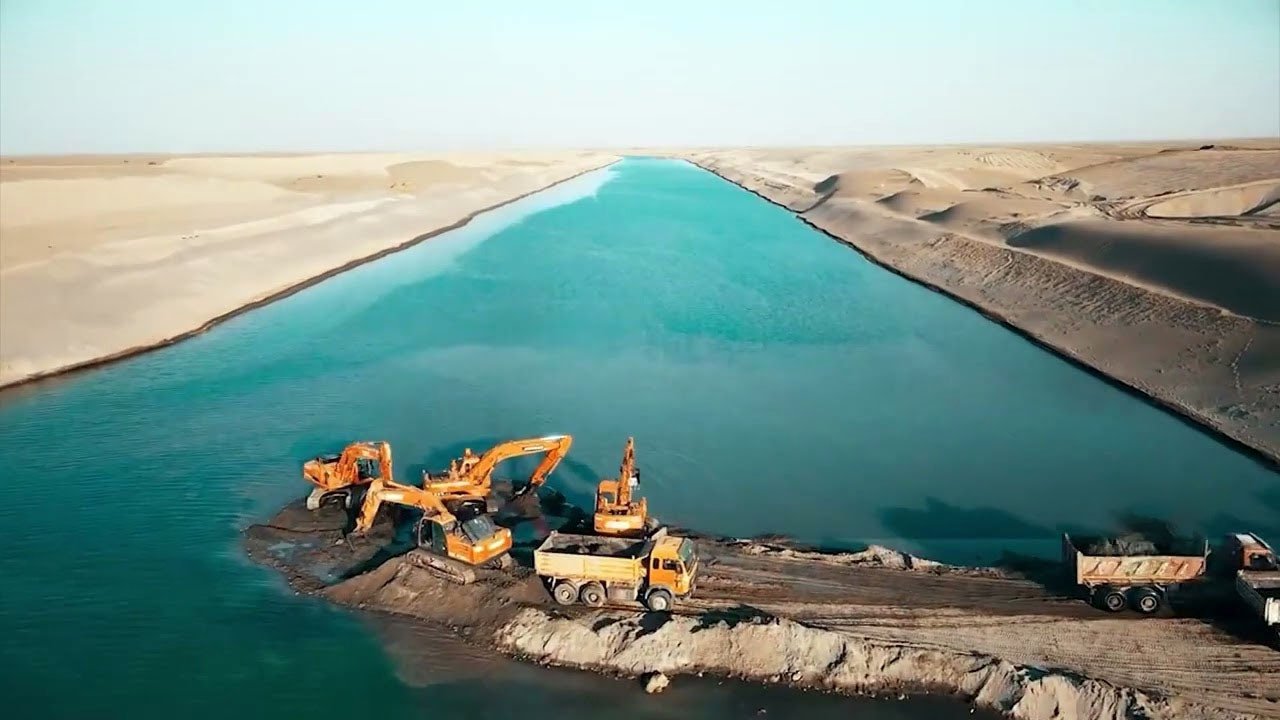
Local Uzbek media continues to highlight the severe risks posed by Afghanistan's Qosh Tepa canal construction on the Amu Darya. Reports indicate that if the canal reaches full capacity, it could lead to the loss of approximately 250,000 agricultural jobs in Uzbekistan due to reduced irrigation water availability. Stakeholders warn that this diversion threatens to disrupt the ecological balance, increase soil salinity, and accelerate desertification in southern Uzbekistan, directly impacting the livelihoods of farmers who depend on Amu Darya flows.
Context & numbers
- Rogun Financing: A contract worth approximately $1 billion is being finalized for the right-bank structures of the Rogun HPP.
- Qosh Tepa Impact: Full operation of the Afghan canal is estimated to potentially displace 250,000 agricultural workers in Uzbekistan through water scarcity.
- Water Allocation: Agriculture consumes 90-91% of Uzbekistan's total water consumption, making any upstream diversion (like Qosh Tepa) disproportionately impactful.
On the radar
- Implementation Mechanisms: Watch for specific technical protocols emerging from the Avaza summit regarding how water limits will be monitored and enforced among the five republics.
- Afghan Construction Pace: Continued monitoring of satellite imagery for the Qosh Tepa canal's second phase, which is reportedly underway despite regional objections.
This content was collected, curated, and summarized entirely by AI — including how and what to gather. It may contain inaccuracies. Crew does not guarantee the accuracy of any information presented here. Always verify facts on your own before acting on them. Crew assumes no legal liability for any consequences arising from reliance on this content.
Powered by
