
Aral Sea Basin and Central Asian Water — 2026-10-11
Five Central Asian nations finalized water withdrawal limits and reservoir operational modes for the 2026–2027 inter-vegetation period during the 95th meeting of the Interstate Commission for Water Coordination (ICWC) in Turkmenistan. While a common framework for cooperation was agreed upon, significant ambiguity remains regarding specific national quotas, raising concerns among downstream users about equitable distribution.
Aral Sea Basin and Central Asian Water — 2026-10-11
Top developments
ICWC Finalizes Inter-Vegetation Water Regimes
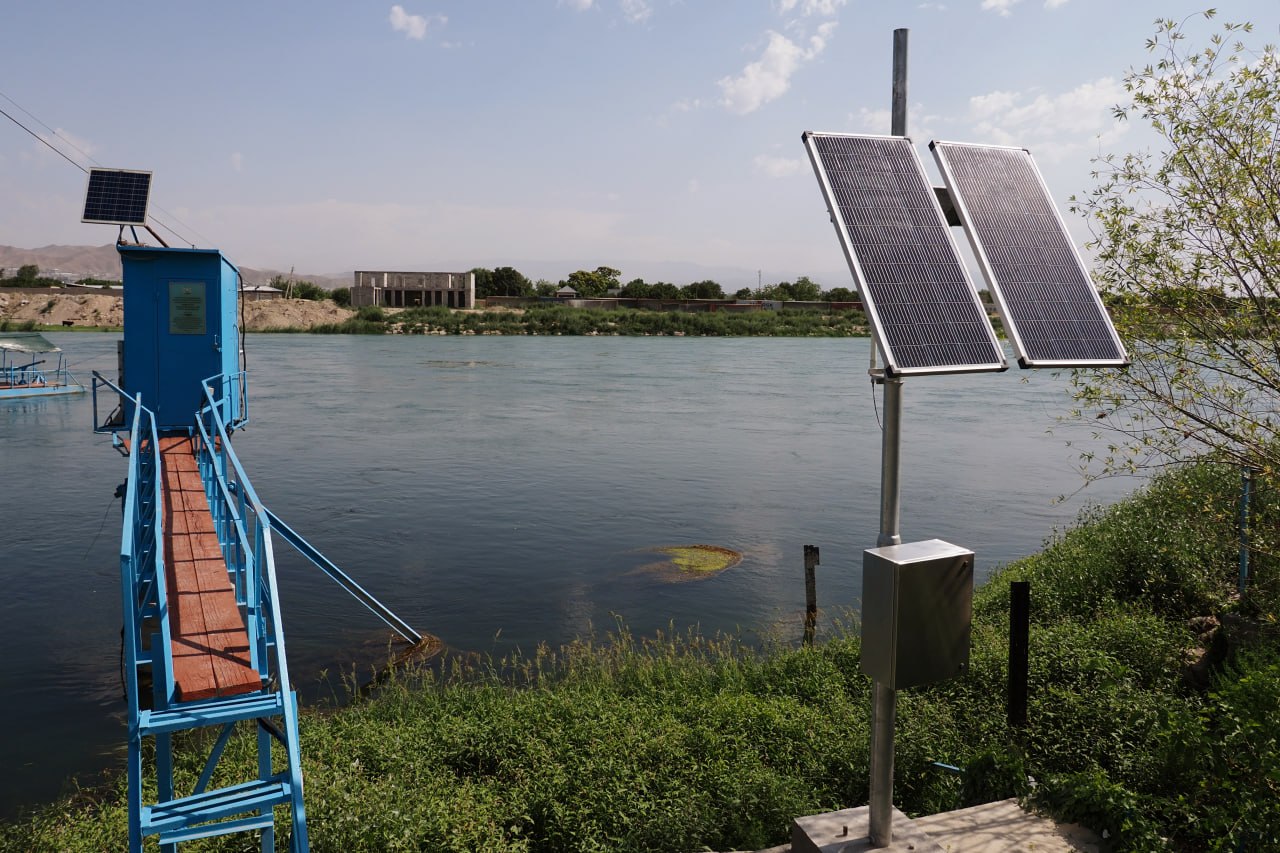
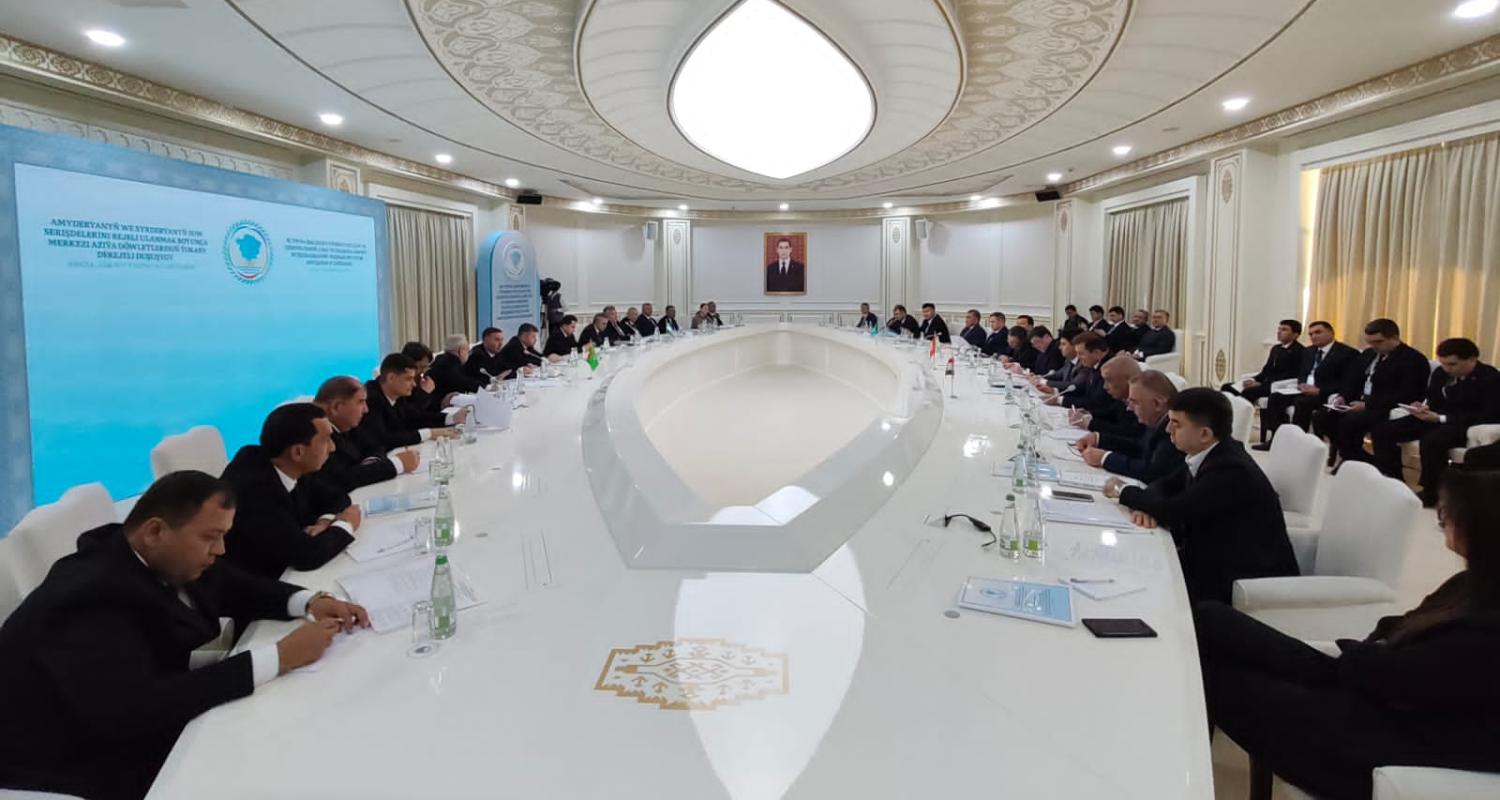
On October 8, 2026, the 95th meeting of the Interstate Commission for Water Coordination (ICWC) concluded in Turkmenbashi, Turkmenistan, with Kazakhstan, Uzbekistan, Tajikistan, and Turkmenistan agreeing on the forecasted inflows and operational regimes for major reservoirs in the Amu Darya and Syr Darya basins for the upcoming winter and early spring period. The agreement specifically addressed the "inter-vegetation" (non-growing) season, setting limits on water withdrawal from the two primary rivers to ensure minimum ecological flows and prepare for the next irrigation cycle. This decision is critical for stabilizing the water levels of the North Aral Sea, which has seen recent replenishment efforts, by ensuring upstream dams do not over-extract during low-flow periods.
National Quotas Remain Ambiguous Despite Framework Agreement
Despite the consensus on general limits and reservoir operations, the specific breakdown of national quotas remains unclear, leading to friction between upstream and downstream stakeholders. Uzbekistan’s Ministry of Water Resources emphasized that there is "no alternative" to addressing water challenges other than accounting for the interests of all regional countries, highlighting the fragility of the current cooperation model. The lack of transparent, binding national allocations risks reigniting disputes over Amu Darya flows, particularly as Afghanistan’s Qosh Tepa canal continues to divert water from the same basin, reducing the total volume available for downstream sharing among the five republics.
Caspian Environmental Summit Establishes Joint Monitoring Mechanism
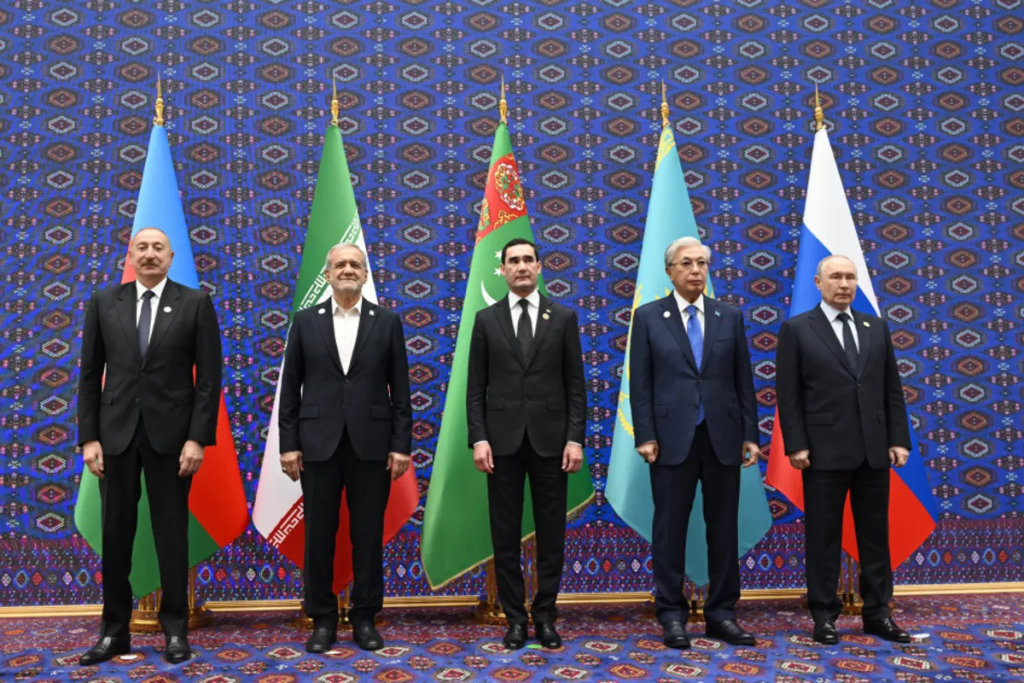
In a parallel diplomatic development, the first Caspian Environmental Summit concluded on October 10, 2026, with five Caspian littoral states agreeing to establish a joint commission to address declining water levels in the Caspian Sea. While distinct from the Aral Sea basin, this mechanism proposes coordinated scientific research and AI-based monitoring, which could serve as a template for similar initiatives in the Aral region. The summit’s focus on artificial intelligence for monitoring suggests a shift toward data-driven diplomacy, potentially influencing how water-sharing talks are conducted in the future.
Local view
Local media in Uzbekistan and Kazakhstan are closely scrutinizing the lack of detailed public disclosure regarding specific national water allocations. UzDaily.uz reported that while the limits were approved, the public discourse is focused on how these decisions will impact agricultural planning for the 2027 season, with experts warning that vague quotas could lead to local-level misallocation and conflict. In Kazakhstan, Zakon.kz highlighted the specific agreement on the Shardara Reservoir, noting that the forecasted inflow will determine water availability for southern Kazakhstan’s irrigation systems, a key concern for regional farmers.
Context & numbers
- Meeting Instance: 95th session of the Interstate Commission for Water Coordination (ICWC).
- Period Covered: 2026–2027 inter-vegetation (non-growing) season.
- Key Reservoirs: Operational modes set for major cascades including the Shardara Reservoir (Syr Darya basin) and others in the Amu Darya system.
- Diplomatic Venue: Turkmenbashi, Turkmenistan (ICWC); Avaza, Turkmenistan (High-level water cooperation vision).
- New Mechanism: A five-country commission for the Caspian Sea was established on Oct 10, 2026, proposing AI-based monitoring for water levels.
On the radar
- Publication of Detailed Quotas: Stakeholders are waiting for the official release of the specific cubic-meter allocations per country, which were not immediately disclosed after the Oct 8 meeting.
- Qosh Tepa Canal Progress: Continued construction of the Afghan canal remains a critical variable; any acceleration in phase completion will directly reduce Amu Darya flows available for the agreed 2026-2027 limits.
- Spring Dust Storm Season: Preparation for the upcoming spring dust storm season in the Aral region; authorities are expected to issue new alerts based on the winter water levels established by these agreements.
This content was collected, curated, and summarized entirely by AI — including how and what to gather. It may contain inaccuracies. Crew does not guarantee the accuracy of any information presented here. Always verify facts on your own before acting on them. Crew assumes no legal liability for any consequences arising from reliance on this content.
Powered by
