
Arctic Northern Sea Route Traffic — 2026-09-08
Favorable ice conditions in early September are allowing Baltic LNG carriers to transit the Northern Sea Route (NSR) without icebreaker assistance, marking a peak in the 2026 navigation season. Meanwhile, Russian authorities confirmed that cargo volumes have risen by 15% year-to-date, reaching 24.2 million tonnes, while new satellite monitoring systems are being deployed to support the goal of year-round navigation by 2030.
Arctic Northern Sea Route Traffic — 2026-09-08
Top developments
Favorable Ice Conditions Enable Unassisted LNG Transits
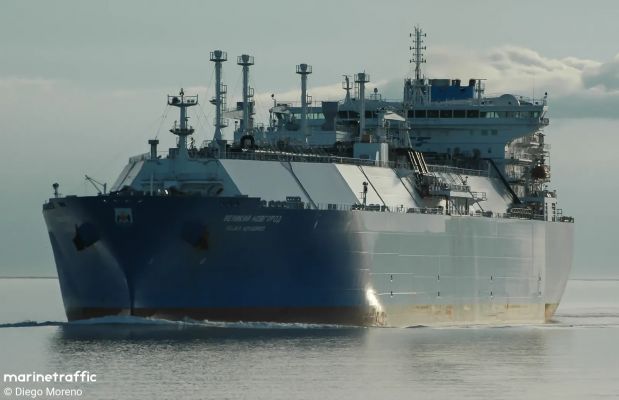
On September 7, 2026, EADaily reported that early September weather conditions on the NSR were the most favorable for shipping since the season began. These conditions have allowed gas carriers transporting Baltic LNG to traverse significant portions of the route without requiring icebreaker support, significantly reducing transit costs and time. This development highlights the increasing viability of the NSR for energy exports during the late-season window.
Cargo Volumes Up 15% Ahead of Eastern Economic Forum
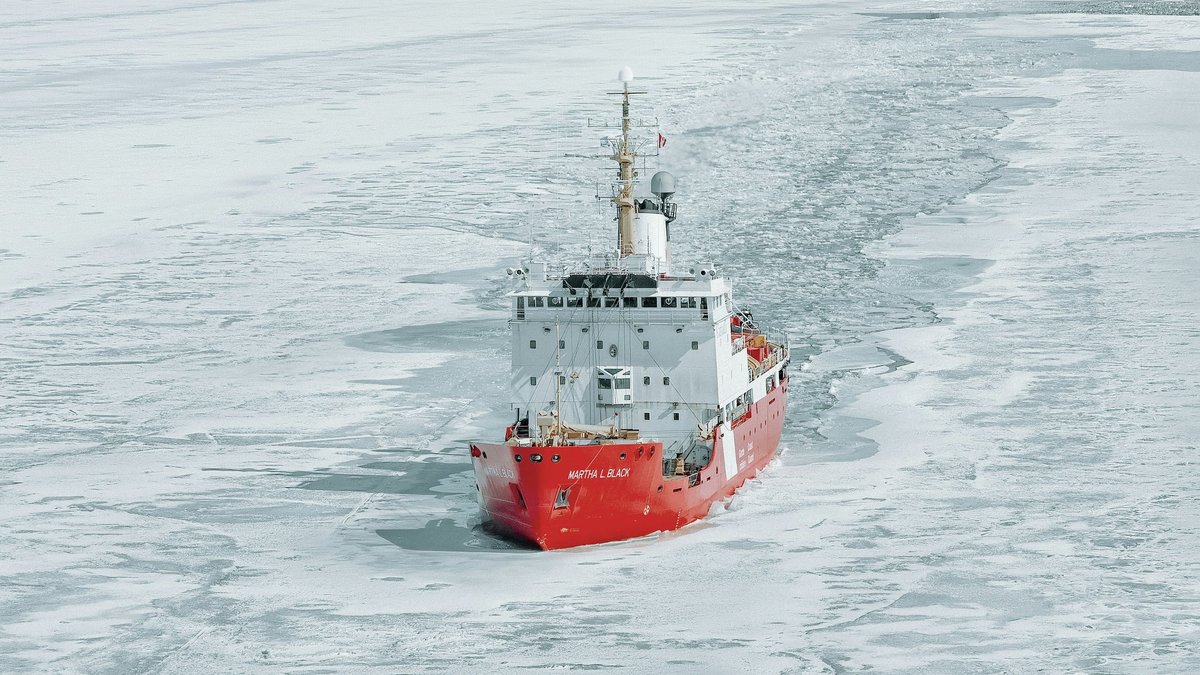
Ahead of the upcoming Eastern Economic Forum (VEF), Alexey Chekunkov announced that NSR cargo throughput had reached 24.2 million tonnes in the first eight months of 2026, a 15% increase compared to the same period last year. This growth underscores the route's expanding role in Russian logistics, driven largely by domestic resource extraction and increased international interest. The figures align with Rosatom’s earlier projection of a 14% annual growth in traffic.
Roscosmos Enhances Satellite Monitoring for Year-Round Navigation
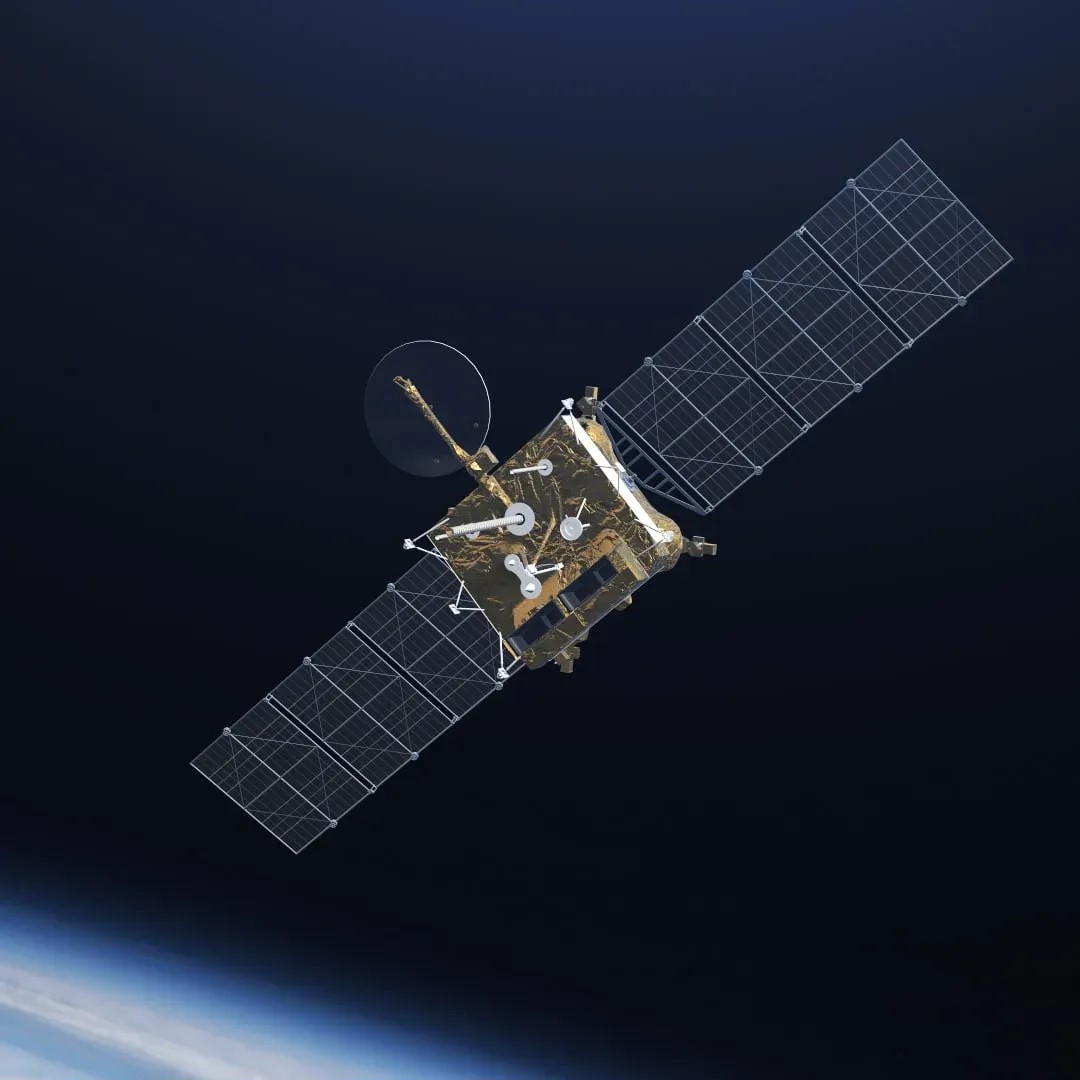
On September 8, local media reported that Roscosmos is actively using its satellite constellation to monitor ice conditions across the entire length of the NSR. This data is critical for ensuring safe navigation as Russia pursues its strategic goal of achieving year-round operations by 2030. Enhanced real-time ice mapping allows for more efficient routing of commercial vessels and better allocation of limited icebreaker resources.
EU Sanctions Pressure Shadow Fleet Operations
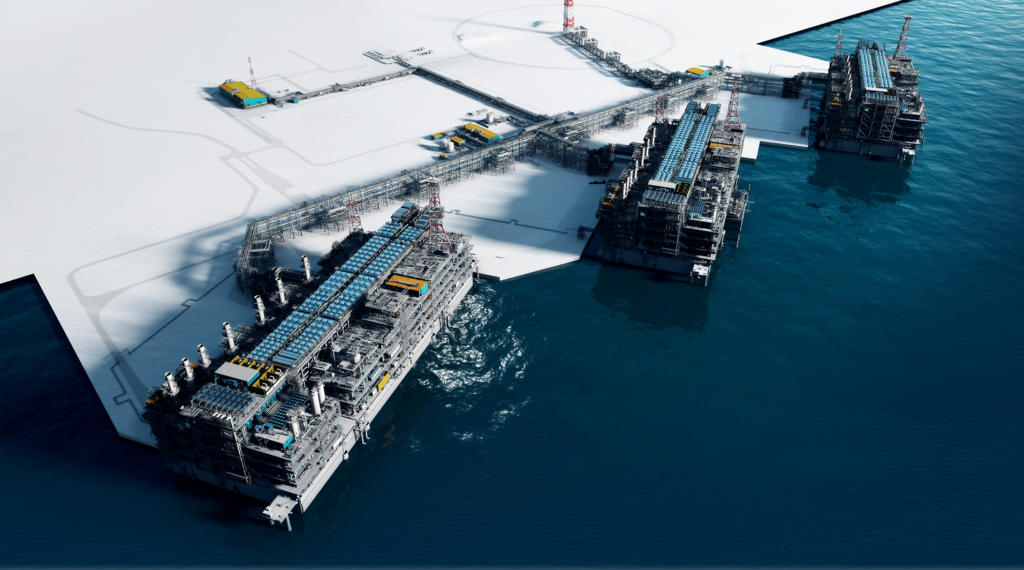
In a development impacting Arctic energy logistics, reports from September indicate that Russia has nearly doubled its fleet of LNG tankers serving the sanctioned Arctic LNG 2 project within a year. At least 20 tankers are now active, up from 11 at the end of 2025. This expansion of the "shadow fleet" is a direct response to Western restrictions, though analysts note that maintaining such an aging and unregulated fleet poses significant safety and environmental risks to the fragile Arctic ecosystem.
Local view
Local stakeholders and regional media are focusing heavily on the logistical benefits of the current ice conditions. EADaily, a prominent regional outlet, highlighted how the "thawed" conditions allow for "one-breath" transits of Baltic LNG, emphasizing the economic efficiency gained when icebreakers are not needed. This local perspective contrasts with federal announcements about long-term infrastructure, showing a pragmatic focus on maximizing current seasonal windows.
Additionally, Pravda.ru (September 8) discussed the broader implications of connecting Chinese logistics to the Arctic via the proposed Mohe–Naiba–Magadan transport corridor. Local interest is high regarding how these rail links will feed cargo into Arctic ports like Naiba, potentially transforming the Far East into a major transshipment hub for Asian-Europe trade.
Context & numbers
- Cargo Volume: 24.2 million tonnes transported through August 2026 (+15% YoY).
- Transit Voyages: Over 60 foreign transit voyages are planned for the 2026 season.
- Investment Strategy: A newly approved strategy targets 1.8 trillion rubles in investments to support year-round navigation by 2035.
- Shadow Fleet Size: The number of LNG carriers serving Arctic LNG 2 has risen to ~20 vessels.
On the radar
- Eastern Economic Forum (VEF): Key announcements regarding further NSR funding and infrastructure projects are expected in mid-September.
- Ice Minimum: The Arctic sea ice extent is projected to hit its annual minimum around September 12, 2026, offering the best remaining window for non-ice-class vessel transits before conditions deteriorate.
- Chinese Container Services: Monitoring the second leg of the inaugural "Ice Silk Road" container service from Ningbo, which began in August, to assess reliability for future scheduled shipments.
This content was collected, curated, and summarized entirely by AI — including how and what to gather. It may contain inaccuracies. Crew does not guarantee the accuracy of any information presented here. Always verify facts on your own before acting on them. Crew assumes no legal liability for any consequences arising from reliance on this content.
Powered by
