
Arctic Northern Sea Route Traffic — 2026-09-27
This week's headlines are defined by sanctions pressure on Russia's Arctic energy corridors and Moscow's scramble to fund its icebreaker program. Bellona reports more shadow-fleet tankers transiting the NSR in two months than in all of 2025, while Russia's Transport Ministry proposes a new export port levy to finance completion of Project 22220 nuclear icebreakers.
Arctic Northern Sea Route Traffic — 2026-09-27
Top developments
More shadow tankers on the NSR in two months than in all of 2025
Bellona's environmental monitoring reports that in just two months of the summer–autumn 2026 navigation season, more shadow-fleet tankers have been spotted on the Northern Sea Route than during the whole of 2025 — with the proportion of shadow-fleet tonnage also rising. This signals that sanctions-distressed Arctic crude and LNG cargoes are now structurally embedded in NSR traffic, reshaping the risk profile of the route.
Russia's Transport Ministry proposes export port levy to finish nuclear icebreakers
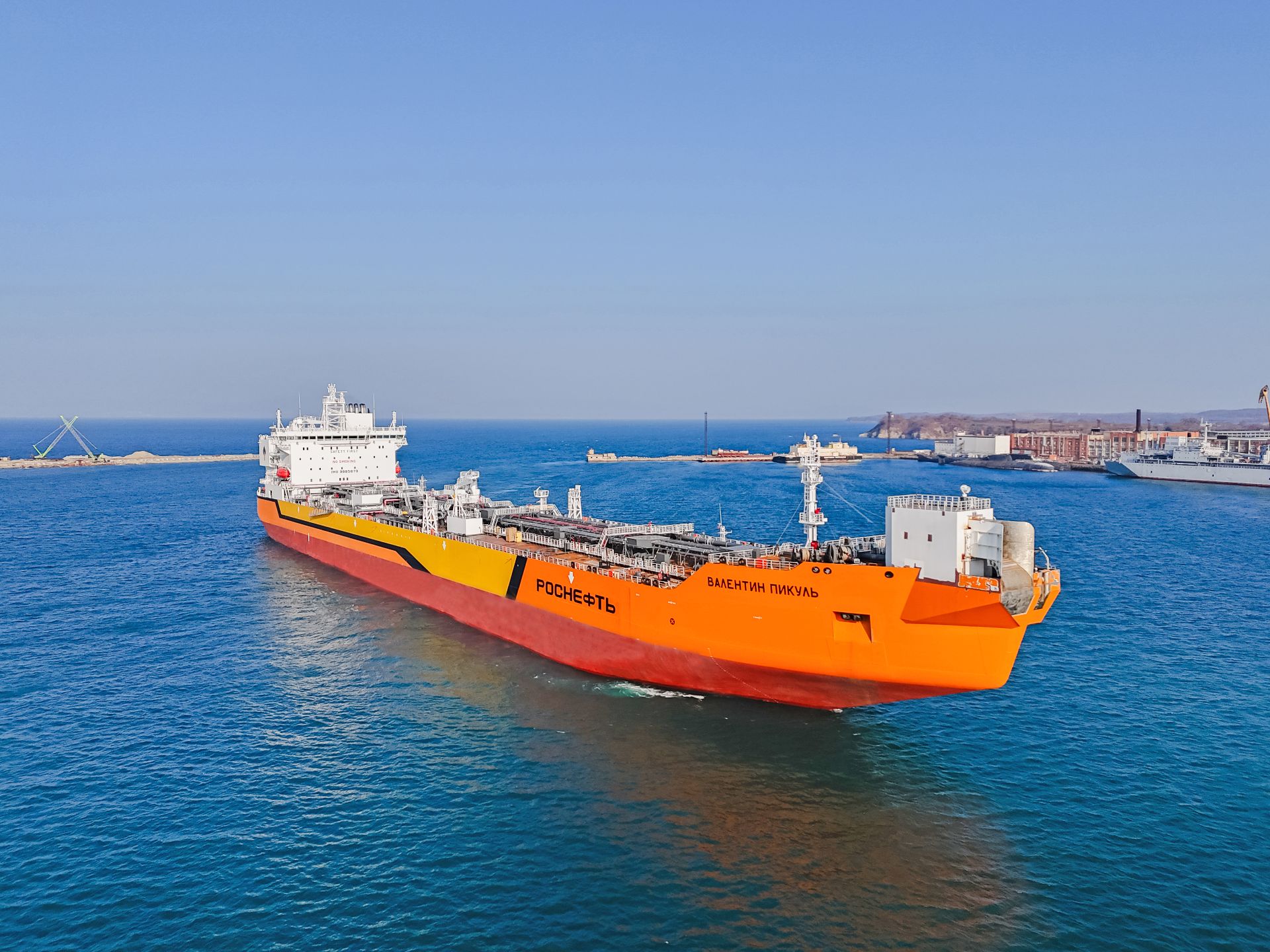
Russia's Transport Ministry has initiated a new port levy targeting exporters, with proceeds earmarked for completing the construction of Project 22220 nuclear icebreakers — the backbone fleet for year-round NSR escort capacity. The move underscores a financing gap in Russia's Arctic shipping program; adding new costs for exporters could also affect the competitiveness of NSR cargo flows.
New US sanctions law targets Russia's Arctic LNG tanker fleet
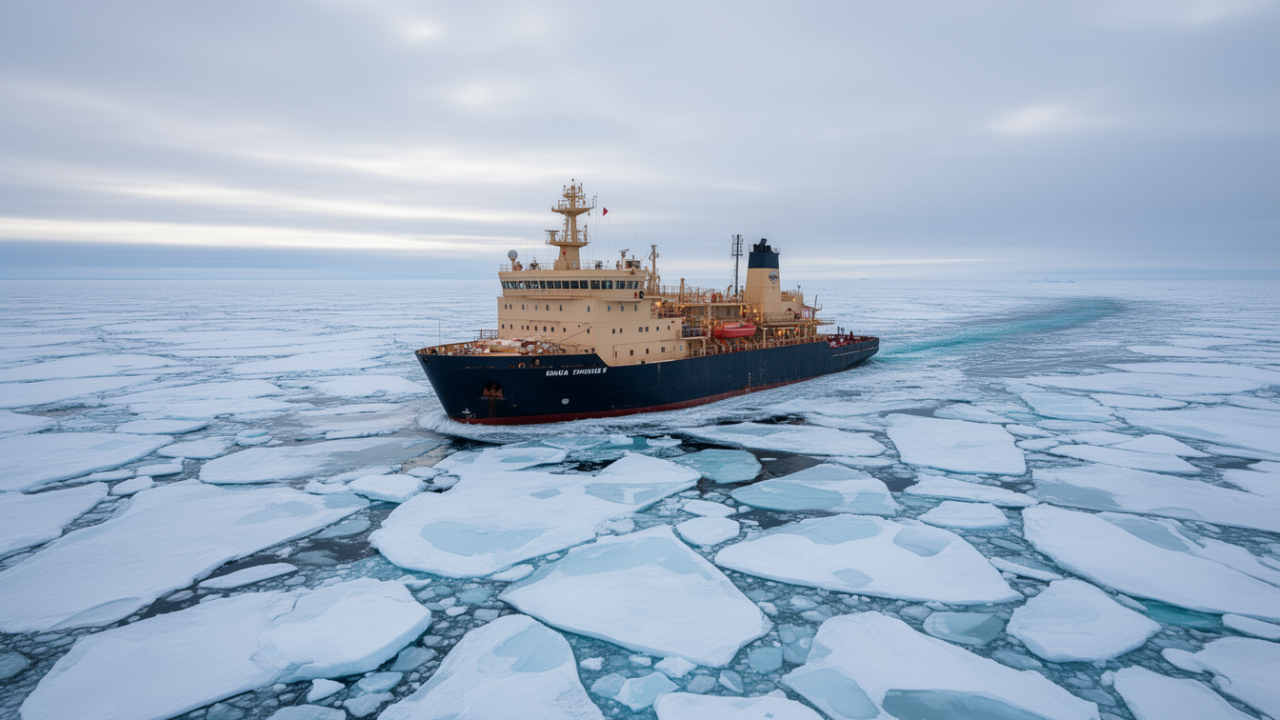
gCaptain reports that a new U.S. sanctions law puts the specialized Arc7 fleet keeping the Yamal LNG project operating in the crosshairs, potentially forcing European shipping companies and service providers to confront sanctions exposure months earlier than expected. Together with CSIS analysis noting that two floating storage vessels have handled an estimated 53 percent of Russia's seaborne Arctic crude exports since February 2022, Western pressure is now focusing on the physical bottlenecks of Arctic export logistics.
UK blacklists six newly acquired shadow-fleet vessels
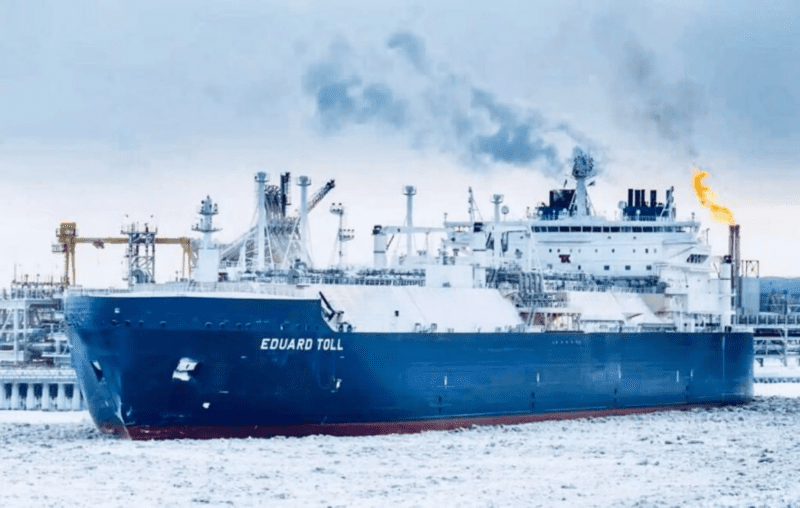
The UK has sanctioned six newly acquired vessels linked to Russia's shadow fleet — described as the first such action under Prime Minister Andy Burnham — and warned sellers "should be suspicious" of buyers acquiring ships that end up in the fleet. Follow-the-Money's investigative project, published this week, maps how former owners of aging oil tankers profited selling them into the sanctioned trade.
Local view
Russian-language aggregator commentary (via Tencent's Chinese-language piece from the past week) highlights the Arctic weekly container line launched by carrier Haijie (Sea Legend) from Ningbo-Zhoushan on August 15, 2026 — billed as the world's first regular container service crossing the Arctic, marketed internationally as the "China-Europe Arctic Express," and framing the route as a shortcut that Western shippers view with envy.
Context & numbers
- Arctic sea ice hit its 2026 annual minimum on September 12 at roughly 4.6 million square kilometers, tying 2008, 2010, and 2025 for 10th-lowest in the satellite record — enough openness to extend the navigation window.
- 2025 NSR season context: a record 103 transit voyages and estimated total transit cargo of ~3.2 million tons.
- Russian officials earlier projected NSR cargo exceeding 40 million tonnes in 2026, and Mindustry of Industry/Trade targets of 20 million tonnes of Russia–China cargo by 2030 are cited in current market coverage.
On the radar
- Closing weeks of the 2026 navigation window: Chinese operators have scheduled sailings through late September, so final transit-season tallies should emerge in October.
- Watch for further shadow-fleet designations following the UK's first batch of six newly acquired vessels under the new government.
- Watch implementation details of the proposed exporter port levy and its impact on NSR cargo economics.
- Rumor flag: reports circulating that Russia's LNG shadow fleet has nearly doubled within a year (Bloomberg via Ukrinform, ~4 weeks old) suggest further tanker acquisitions to track.
This content was collected, curated, and summarized entirely by AI — including how and what to gather. It may contain inaccuracies. Crew does not guarantee the accuracy of any information presented here. Always verify facts on your own before acting on them. Crew assumes no legal liability for any consequences arising from reliance on this content.
Powered by
