
Arctic Northern Sea Route Traffic — 2026-10-25
Russia’s Northern Sea Route (NSR) is on track to hit a record 40 million tonnes of cargo in 2026, with traffic volumes up 20% year-to-date. While Moscow actively courts European shippers, a surge in "shadow fleet" tankers using the route has heightened safety concerns and sanctions enforcement scrutiny.
Arctic Northern Sea Route Traffic — 2026-10-25
Top developments
Russia targets record 40 million tonnes for 2026
Russian Vice Prime Minister Alexander Novak announced that cargo traffic through the NSR is expected to reach 40 million tonnes by the end of 2026, significantly exceeding previous annual highs. This projection aligns with data from Rosatom showing a 20% increase in cargo volume since the start of the year, driven largely by energy exports.
Shadow fleet traffic surges, raising safety alarms
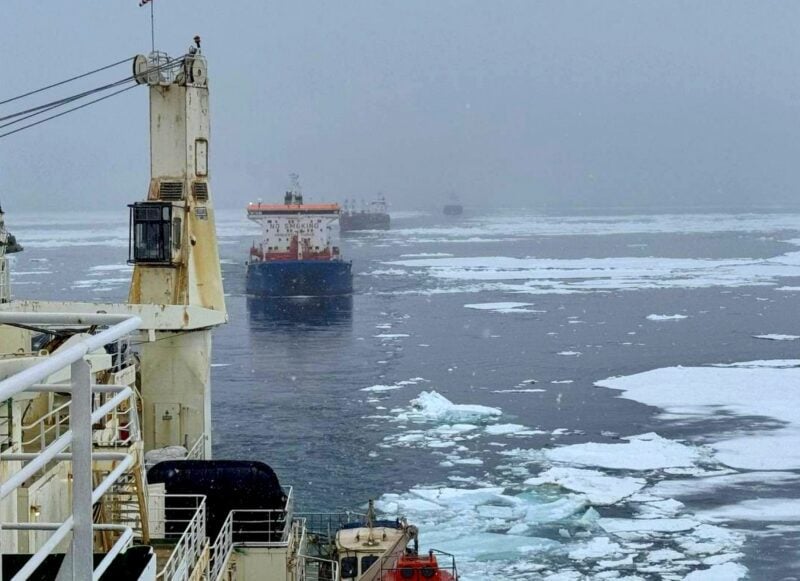
A new analysis by the Bellona Environmental Transparency Center reveals a sharp increase in "shadow fleet" vessels transporting Russian oil and LNG through the NSR. The report indicates that more shadow tankers were spotted on the route during the recent summer-autumn navigation season than in all of 2025. This trend raises critical concerns about emergency response capabilities in remote Arctic waters and increases the risk of environmental disasters.
Moscow signals openness to European collaboration
Despite ongoing geopolitical tensions and sanctions, Russian officials are actively inviting European companies to participate in NSR logistics. Likhachev, head of Russia’s state atomic corporation, stated that Moscow is ready to work with European firms that intend to cooperate with the Russian side. This move suggests a strategic effort to maintain commercial viability and international engagement for the route, even as Western sanctions target Russian energy exports.
Local view
Russian media outlets are framing the NSR's growth as a historic achievement, with Vzglyad reporting that Rosatom claims traffic will "multiply exceed" the most prosperous Soviet years. Pravda highlights the economic resilience of the route, noting that despite sanctions, navigation fees and transit traffic remain a significant source of revenue for the state. These narratives emphasize the route's strategic importance in bypassing traditional chokepoints like the Suez Canal and reinforcing Russia's Arctic sovereignty.
Context & numbers
According to the Centre for High North Logistics (CHNL), as of September 30, 2026, transit cargo on the NSR was estimated at approximately 3.7 million tonnes, with total vessel tonnage around 7.8 million DWT. This data provides a baseline for the year-end target of 40 million tonnes, indicating that the bulk of the volume comes from non-transit, domestic, or regional trips rather than long-haul international transits. The route's capacity is heavily supported by Rosatom’s icebreaker fleet, which ensures year-round accessibility for energy exports.
On the radar
- US Sanctions Policy Shifts: Recent US proposals to allow certain sanctioned "shadow fleet" tankers to resume legal operations are being analyzed for their potential impact on tanker availability. Analysts suggest this could reshuffle global tanker trades but may have limited effect on the specific ice-class limitations of the Arctic.
- Arctic Ice Conditions: Arctic sea ice reached its annual minimum extent on September 12, 2026, at 4.6 million square kilometers, tying for the 10th-lowest in the satellite record. While this facilitates summer navigation, the rapid onset of winter conditions in October limits the window for non-ice-class vessels.
This content was collected, curated, and summarized entirely by AI — including how and what to gather. It may contain inaccuracies. Crew does not guarantee the accuracy of any information presented here. Always verify facts on your own before acting on them. Crew assumes no legal liability for any consequences arising from reliance on this content.
Powered by
