
Caspian Sturgeon and Caviar Farming — 2026-10-11
Azerbaijan reported a significant increase in caviar production for 2025, reaching 3.6 tons, while Russian data shows a 5% rise in sturgeon caviar output in the first eight months of 2026. Concurrently, regional authorities are tightening fishing restrictions in the Caspian basin to combat declining stock biomass, with Kazakhstan reaffirming bans on wild sturgeon catch.
Caspian Sturgeon and Caviar Farming — 2026-10-11
Top developments
Azerbaijan’s 2025 Caviar Production Reaches 3.6 Tons
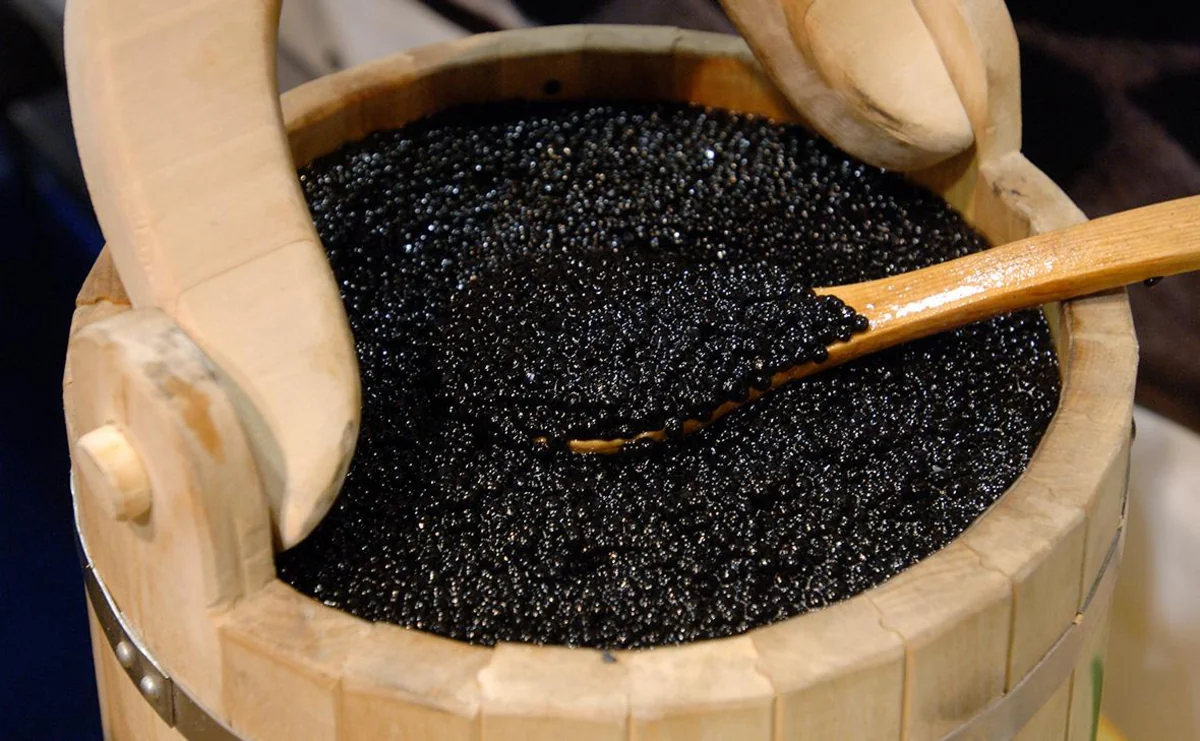
According to calculations by Bakivaxti.az based on State Statistical Committee data, Azerbaijan produced 3.6 tons of sturgeon caviar in 2025, marking a notable increase in industrial output. This figure is critical for assessing the country's contribution to the global farmed caviar market and its ability to meet international export demands without relying on wild stocks. The data suggests a maturing aquaculture sector that is increasingly capable of supplying high-value markets independently of poaching pressures.
Russian Farmed Caviar Output Rises by 5% in Early 2026
Russian fish farmers produced 45 tons of sturgeon caviar between January and August 2026, representing a 5% increase compared to the same period in 2025. This growth indicates a continued shift toward aquaculture in Russia, which may help stabilize global supply chains and reduce pressure on wild Caspian populations. For traders and regulators, this trend highlights the growing dominance of farmed product over wild-caught caviar in official trade statistics.
Kazakhstan Reinforces Ban on Wild Sturgeon Catch
Kazakhstan has officially reaffirmed strict prohibitions on the catching of sturgeon species and their derivatives, including caviar, for both physical and legal entities, with limited exceptions. Published on the Adilet legal information system, this regulatory move underscores the ongoing enforcement efforts in the Caspian region to protect endangered stocks. Such measures are vital for curbing poaching and ensuring that any caviar entering the market is legally sourced from aquaculture or approved reserves.
Red Caviar Price Volatility Reflects Broader Market Pressures
While black caviar is the primary focus of Caspian sturgeon farming, recent reports indicate that red caviar prices in Russia could rise to 30,000–40,000 rubles per kilogram due to a 3.5-fold drop in Pacific salmon catches. Although this affects a different species, the broader market sentiment shows consumers shifting toward premium products when supply tightens, potentially increasing demand for sturgeon caviar as a luxury alternative. This dynamic impacts pricing strategies for Caspian producers competing in the global premium seafood segment.
Local view
Bakivaxti.az, an Azerbaijani news outlet, highlighted the statistical milestone of 3.6 tons of caviar production, framing it as a positive indicator for the national agricultural sector. The outlet’s reporting emphasizes the role of state statistics in validating the growth of local aquaculture enterprises.
Context & numbers
- Azerbaijan Production: 3.6 tons of caviar produced in 2025.
- Russian Production: 45 tons of sturgeon caviar produced in Jan–Aug 2026 (+5% YoY).
- Global Market Value: Global caviar exports reached approximately US$627.4 million in 2025.
- Regulatory Status: Kazakhstan maintains a total ban on wild sturgeon catch and derivative use (caviar) for most entities.
On the radar
- CITES Quota Adjustments: Stakeholders should monitor upcoming CITES notifications for the 2027 trading year, as recent increases in Russian production may influence quota allocations for farmed species.
- Iranian Export Trends: While specific fresh data from Iranian sources was not available in the last week, historical trends show Iran exporting primarily to the UAE and UK; any new tariff changes in these key markets could impact Caspian producers.
- Climate Impact on Stock: Continued monitoring of Caspian Sea temperature rises (noted in earlier reports) remains essential for long-term stock assessment models used by regional fisheries bodies.
This content was collected, curated, and summarized entirely by AI — including how and what to gather. It may contain inaccuracies. Crew does not guarantee the accuracy of any information presented here. Always verify facts on your own before acting on them. Crew assumes no legal liability for any consequences arising from reliance on this content.
Powered by
