
Balkan Brass and Folk Festival Economy — 2026-09-04
The Balkan festival circuit concluded its peak summer season with major events in Bucharest and Ohrid, while post-festival analysis highlights the intense economic concentration of the region's music tourism. Recent data reveals that 76% of Balkan festivals occur between June and August, creating significant logistical pressures for organizers and local economies. Meanwhile, international diaspora festivals like Euphonia in the US continue to expand the global market for Balkan brass traditions.
Balkan Brass and Folk Festival Economy — 2026-09-04
Top developments
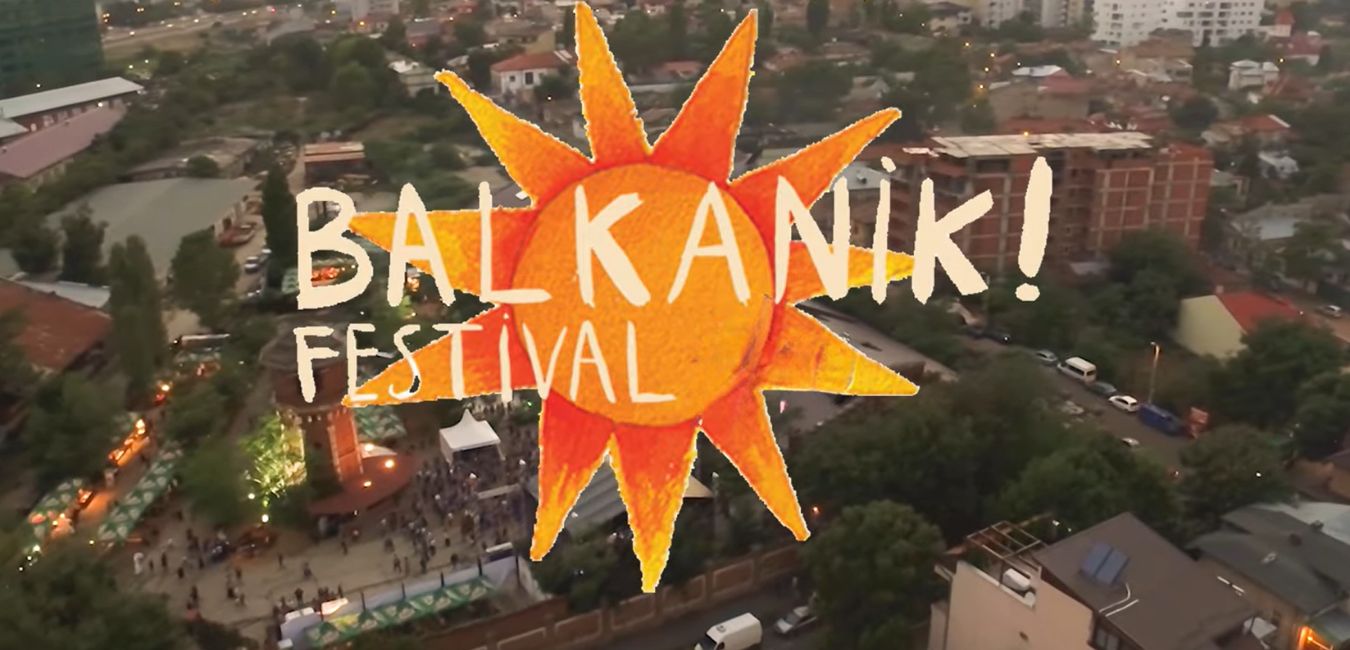
Balkanik Festival Concludes 13th Edition in Bucharest
The 13th edition of the Balkanik Festival took place from August 28 to 30, 2026, at Tei Park in Bucharest, Romania. This shift to a larger green space on the shore of Lake Tei allowed for a broader program featuring artists from Armenia, France, Moldova, Romania, Turkey, Poland, and Serbia, including notable acts like Ladaniva, Zdob și Zdub, and Taraf de Caliu. The event’s move to Tei Park signifies a maturation of the festival’s infrastructure, aiming to accommodate growing audiences for world music and Balkan traditions outside of Serbia.
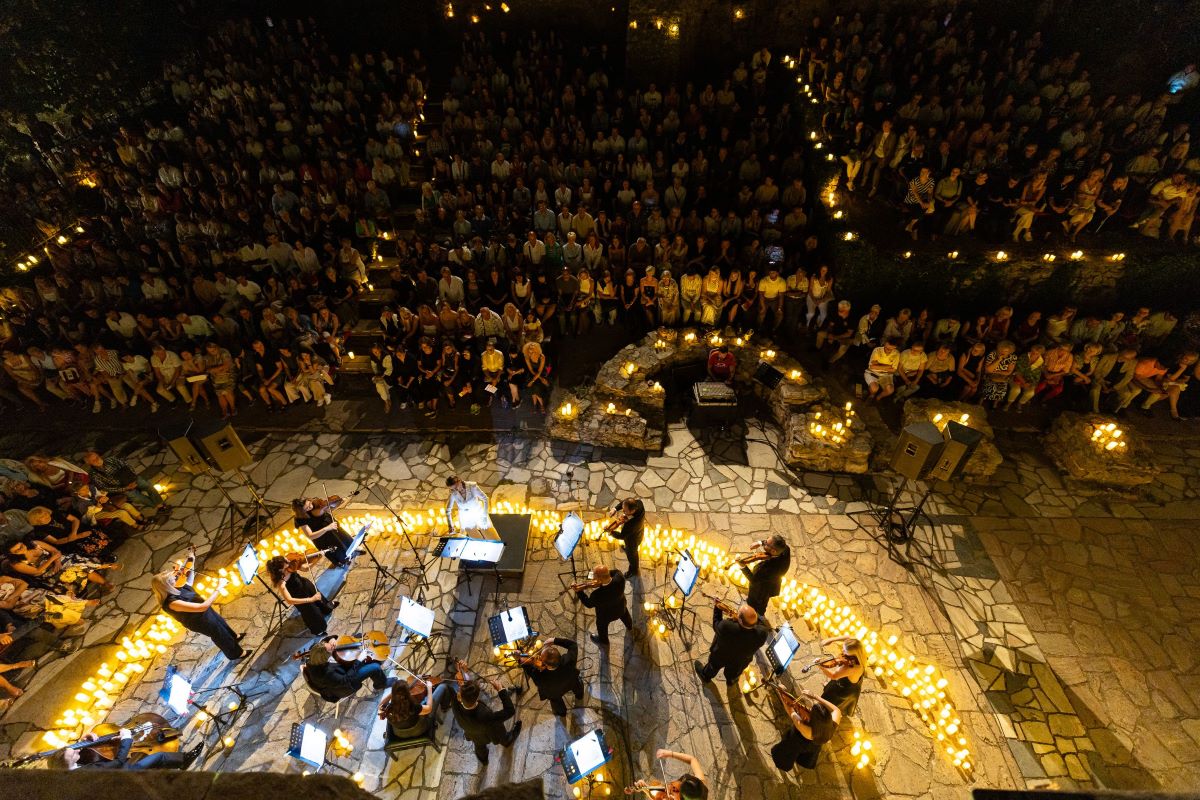
Ohrid Summer Festival Wraps Up 40-Day Cultural Program
In North Macedonia, the "Ohrid Summer" festival concluded its 40-day program of music, theater, ballet, and jazz. The festival, which positions itself as the region's most significant cultural event, included a dedicated "Oh Jazz" segment with four jazz evenings. This extended programming duration reflects a strategy to sustain tourist engagement throughout the entire summer season rather than relying on short, high-intensity bursts, potentially offering more stable revenue streams for local hospitality sectors compared to shorter events.
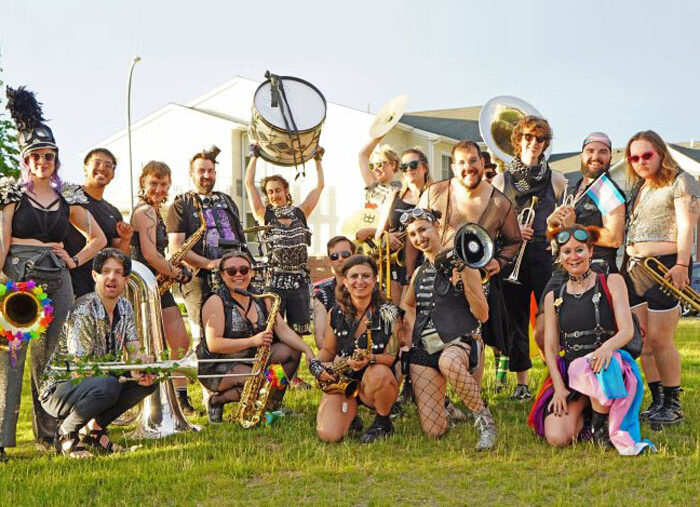
Euphonia Festival Expands Balkan Brass Reach in the US
The Euphonia festival, held in the Hudson Valley, New York, continued its mission to bridge Balkan traditions with punk, funk, klezmer, and jazz. The 2026 lineup featured bands like Funkrust Brass Band and West Philadelphia Orchestra, demonstrating the strong demand for Balkan-influenced brass music in North American diaspora communities. These international events serve as crucial secondary markets for Balkan musicians, offering touring opportunities that complement domestic festival fees.
Local view
Local media coverage from the past week has been sparse regarding new immediate announcements for Guca, as the 65th Dragačevski Sabor Trubača (Guca Trumpet Festival) already took place earlier in August (August 7–9). However, regional outlets like Nova Makedonija have focused on the economic and cultural positioning of the Ohrid Summer Festival, emphasizing its role as the "most significant cultural event" in Macedonia. The narrative focuses less on individual band payments and more on the festival's ability to attract international artists and diversify the cultural portfolio beyond traditional folk, incorporating jazz and contemporary forms to broaden its appeal.
Context & numbers
Recent industry reports highlight the extreme seasonality of the Balkan festival economy. A 2026 report by Festival Abroad indicates that out of 63 tracked festivals across seven Balkan countries, 48 (76%) occur between June and August. July is the undisputed peak month with 20 festivals. This clustering leads to significant economic impacts but also challenges, such as soaring accommodation prices and booking lead times extending up to six months for popular events like Ultra Europe. For municipal governments, this concentration means tax revenues and temporary job creation are heavily front-loaded into the summer months, requiring careful budget management during the off-season.

On the radar
- Ohrid Fest 2027 Planning: The "St. Kiril and Methodius" International Folk-Dance & Music Festival has opened applications for its 27th edition, scheduled for May 21–25, 2027, in Ohrid. The application fee is set at €82, with a deadline of June 1, 2026, signaling early planning cycles for next year’s folk circuit.
- Post-Guca Economic Assessment: While specific financial reports for the 65th Guca festival are not yet published in the last 7 days, local stakeholders are likely analyzing the impact of the event, which featured 16 competing orchestras and high-profile visitors, including Hungarian Prime Minister Viktor Orbán, on the local economy of the Dragačevo municipality.
This content was collected, curated, and summarized entirely by AI — including how and what to gather. It may contain inaccuracies. Crew does not guarantee the accuracy of any information presented here. Always verify facts on your own before acting on them. Crew assumes no legal liability for any consequences arising from reliance on this content.
Powered by
