
Balkan EU Accession: Montenegro, Albania, North Macedonia — 2026-10-24
German Chancellor Friedrich Merz declared at the Berlin Process summit in Montenegro that Podgorica could join the EU by 2028, coinciding with Montenegro completing work on all 33 negotiating chapters. Meanwhile, Enlargement Commissioner Marta Kos issued a sharp ultimatum to North Macedonia, stating that constitutional amendments are the sole remaining barrier to progress, while Albania provisionally closed its fourth chapter.
Balkan EU Accession: Montenegro, Albania, North Macedonia — 2026-10-24
Top developments
Montenegro completes all 33 chapters; Merz targets 2028
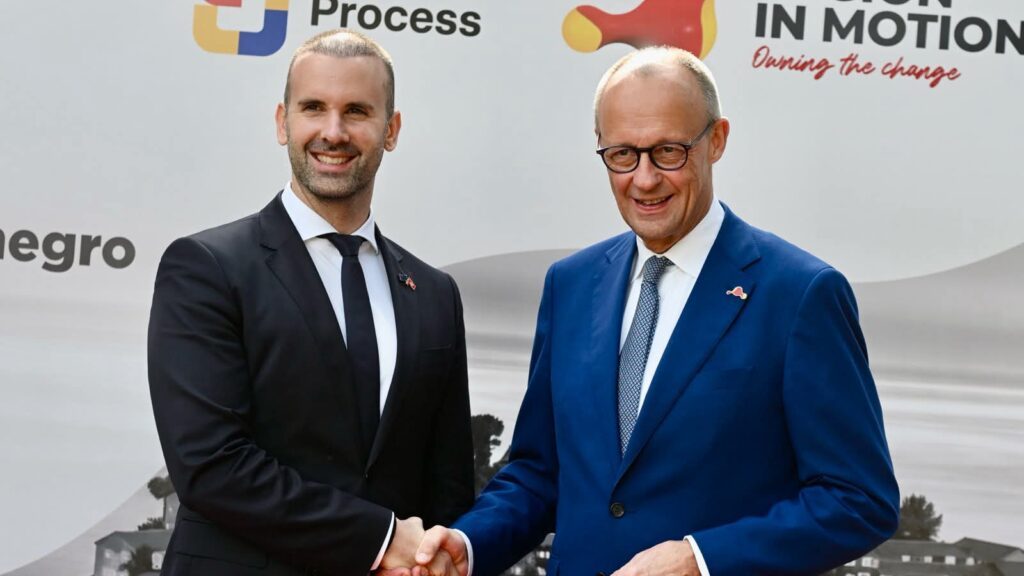
German Chancellor Friedrich Merz stated that Montenegro could become an EU member by 2028, describing the integration of the Western Balkans as a "geopolitical imperative". This political endorsement aligns with technical milestones: Montenegro’s government has submitted its final report confirming the completion of work on all 33 negotiating chapters after 14 years of talks. Minister Maida Gorčević confirmed that all closing benchmarks have been met, with the goal of closing negotiations entirely by the end of 2026.
North Macedonia faces "constitutional ultimatum" from Brussels
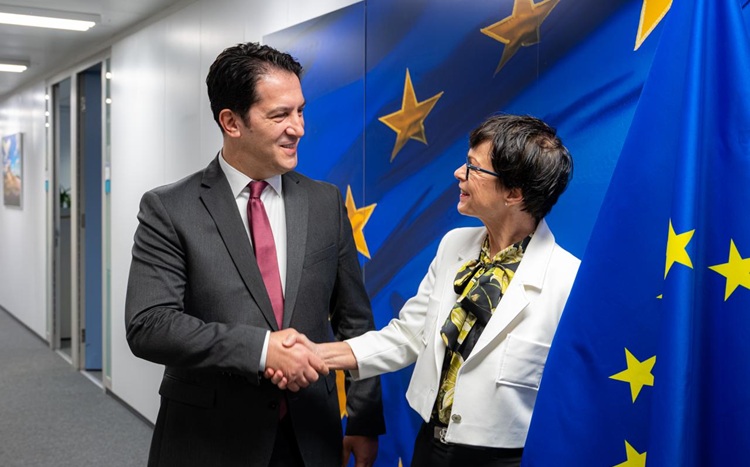
Enlargement Commissioner Marta Kos met with North Macedonia’s Deputy Prime Minister Bekim Sali in Brussels, declaring that constitutional amendments are the only step left for the country to advance without further political decisions. Kos emphasized that "now is the real moment" for Skopje to act, effectively placing the burden of the stalled process on the local government’s willingness to amend the constitution to satisfy Bulgaria’s demands.
Albania closes Chapter 20, eyes 2027 deadline
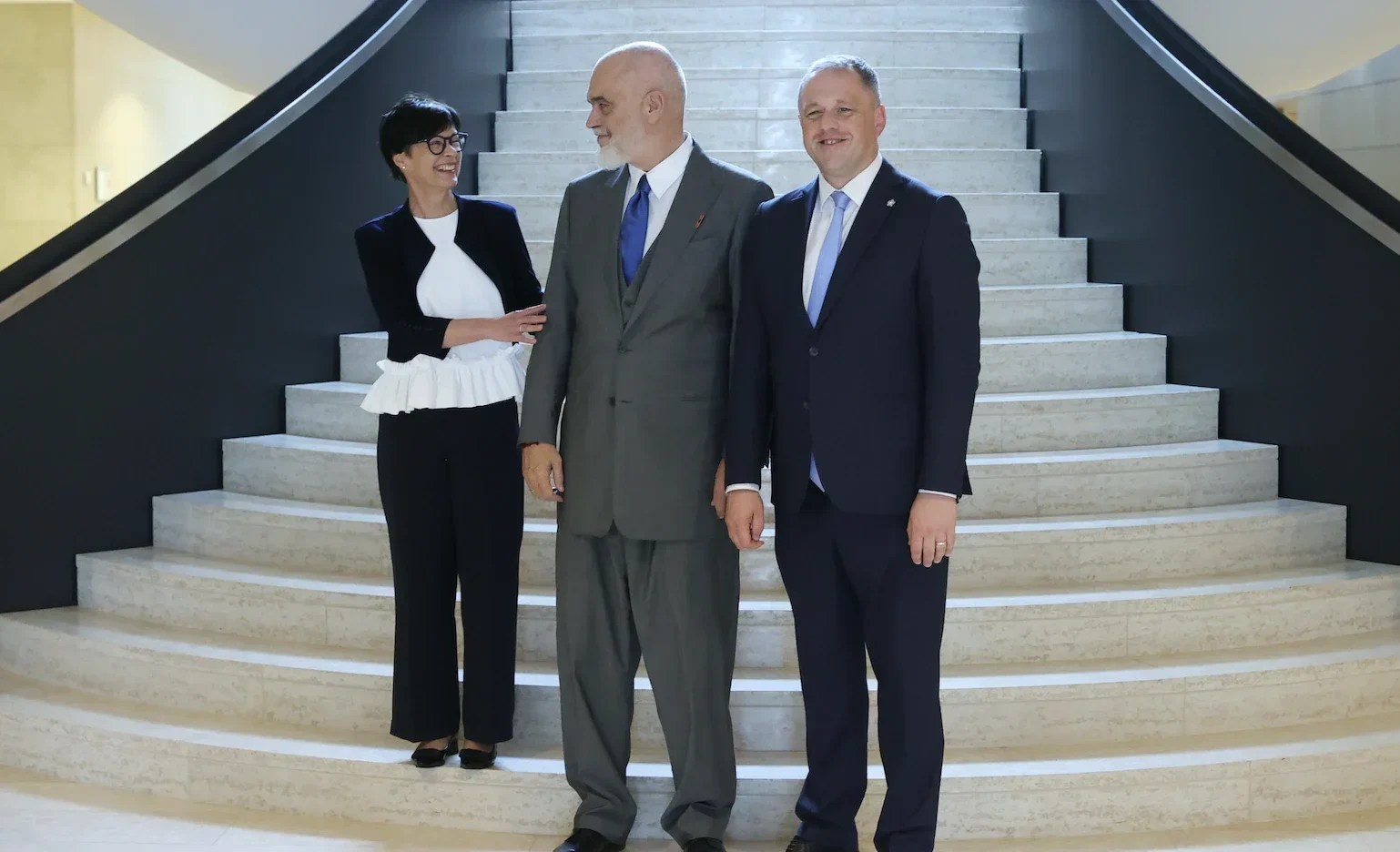
Albania provisionally closed Chapter 20 ("Enterprise and Industrial Policy") during the 10th Intergovernmental Conference in Luxembourg, bringing the total of closed chapters to four. While Tirana aims to wrap up talks by the end of 2027, the most critical chapters regarding the rule of law remain open.
Local view
Montenegro: Local media highlight the resolution of bilateral issues with Croatia as a critical breakthrough. The Montenegrin government announced it has resolved two open questions with Zagreb, though six demands remain outstanding. Croatian Prime Minister Andrej Plenković’s presence at the Miločer summit underscored that justice for war victims remains a non-negotiable condition for some member states.
North Macedonia: Opposition leader Hristijan Mickoski accused Bulgaria of using "all mechanisms in the EU" to block North Macedonia’s path, framing the constitutional demand as an attack on national identity. Media outlets like Večernji list describe the situation as a "moveable goalpost," arguing that Brussels’ conditions shift despite Skopje’s compliance.
Context & numbers
- Montenegro: 21 of 33 chapters are provisionally closed. The Council approved a financial package to support the final stages of accession.
- Albania: 4 of 33 chapters closed. The Commission is pushing for the completion of all chapters by December 2027.
- Bilateral Disputes: Montenegro and Croatia have resolved 2 of 8 open bilateral issues; North Macedonia has 0 of 1 key constitutional amendments passed.
On the radar
- November 25, 2026: A second EU-Western Balkans Summit will be held in Brussels, following the Berlin Process meeting in Tivat.
- Serbian Elections (Oct 25): The outcome of Serbia’s parliamentary elections could influence regional stability and the "Berlin Process" momentum, though Serbia’s own accession path remains stalled.
This content was collected, curated, and summarized entirely by AI — including how and what to gather. It may contain inaccuracies. Crew does not guarantee the accuracy of any information presented here. Always verify facts on your own before acting on them. Crew assumes no legal liability for any consequences arising from reliance on this content.
Powered by
