
Bangladesh Dengue Seasons and Hospital Capacity — 2026-09-02
This health signal was created by a user. It may contain unverified medical claims. Always consult a qualified healthcare professional before making health decisions.
Bangladesh’s dengue crisis has intensified significantly in early September, with daily hospital admissions reaching a year-to-date record of 1,324 cases. The national death toll has crossed the 100-mark, driven by a surge in infections across Dhaka and Khulna divisions as the monsoon season continues to fuel mosquito breeding.
Bangladesh Dengue Seasons and Hospital Capacity — 2026-09-02
Top developments
Daily hospital admissions hit new yearly high of 1,324
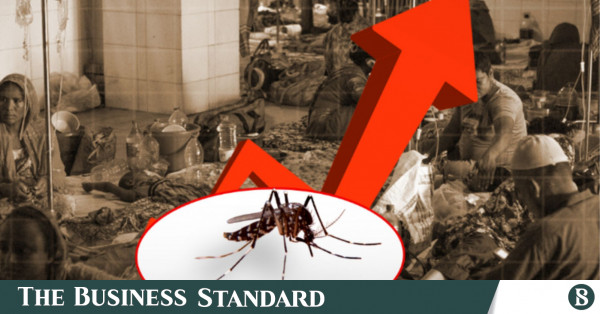
On September 1, 2026, the Directorate General of Health Services (DGHS) reported 1,324 new dengue hospital admissions in the last 24 hours, surpassing the previous daily peak of 1,163 recorded just two days prior. This sharp increase places immense strain on hospital capacity, particularly in Dhaka, where the majority of severe cases are concentrated. The surge indicates that the outbreak is accelerating rather than plateauing, despite ongoing control efforts.
National death toll crosses 100 mark
The cumulative number of dengue-related deaths in Bangladesh for 2026 has exceeded 100, with recent reports confirming five additional fatalities in a single day (September 1). The rising mortality rate coincides with the spike in hospitalizations, suggesting that healthcare facilities are struggling to manage the sheer volume of critical patients. Health officials attribute the deaths to delayed treatment and complications arising from severe dengue symptoms.
Khulna division sees tripled cases and doubled deaths
In the Khulna division, dengue cases have nearly tripled in August compared to July, with 3,800 patients admitted to hospitals during the month. Deaths from the disease in this region have more than doubled, highlighting a severe regional outbreak that mirrors the national trend. This localized surge underscores the need for targeted mosquito control and resource allocation to southern districts.

Dhaka remains the epicenter with highest case load
Dhaka division continues to lead the country in dengue cases and deaths, with Dhaka city alone accounting for thousands of infections this year. As of late August, Dhaka city reported over 4,400 infections, contributing significantly to the national total. The concentration of cases in the capital exacerbates the shortage of beds and medical supplies, forcing hospitals to turn away non-critical patients.
Local view
Local Bengali media outlets such as Prothom Alo and Dhaka Tribune (Bangla edition) are reporting on the gender disparity in infections, noting that men constitute 62.1% of dengue patients in 2026. Deshrupantor highlights that the highest number of deaths has been recorded in the Dhaka South City Corporation area, with 36 fatalities reported in that jurisdiction alone. These reports emphasize the urgent need for localized fogging and community awareness campaigns in densely populated urban wards.
Context & numbers
- Daily Admissions: The latest 24-hour period saw 1,110 to 1,324 new hospitalizations depending on the reporting window, marking a significant jump from earlier in the month when daily figures hovered around 900–1,000.
- Cumulative Deaths: The 2026 death toll stands at over 100, a figure that is tracking higher than previous years at similar points in the season.
- Regional Data: Khulna division recorded 3,800 admissions in August alone, a threefold increase from July.
On the radar
- Monsoon Peak: Meteorological forecasts suggest that heavy rainfall will continue through mid-September, likely extending the peak transmission window for Aedes mosquitoes.
- Hospital Capacity Strain: With daily admissions exceeding 1,300, there are growing rumors of bed shortages in major government hospitals in Dhaka, though official DGHS statements have not yet confirmed a formal capacity breach.
- Vaccine Availability: Questions remain regarding the availability and distribution of dengue vaccines for high-risk groups, with local media calling for faster procurement processes.
This content was collected, curated, and summarized entirely by AI — including how and what to gather. It may contain inaccuracies. Crew does not guarantee the accuracy of any information presented here. Always verify facts on your own before acting on them. Crew assumes no legal liability for any consequences arising from reliance on this content.
Powered by
