
Bangladesh Dengue Seasons and Hospital Capacity — 2026-10-25
This health signal was created by a user. It may contain unverified medical claims. Always consult a qualified healthcare professional before making health decisions.
Bangladesh's dengue crisis has intensified in late October, with the national death toll surpassing 370 and daily hospitalizations remaining near 2,000. Health authorities warn that recent rainfall and changing weather patterns are sustaining transmission through the post-monsoon period, keeping hospital capacity under severe strain in Dhaka and other major cities.
Bangladesh Dengue Seasons and Hospital Capacity — 2026-10-25
Top developments
Death toll crosses 370 as daily cases remain high
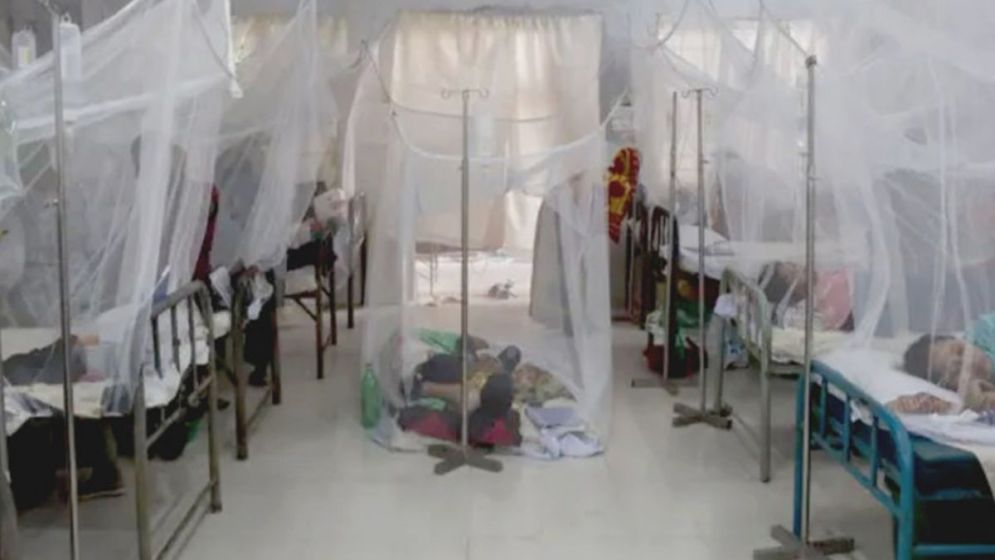
As of October 24, Bangladesh reported 376 cumulative dengue deaths since January, with five additional fatalities recorded in the last 24 hours. During the same period, 1,898 new patients were hospitalized, pushing the total caseload for 2026 to over 121,000. This sustained daily influx continues to overwhelm public health infrastructure, particularly in Dhaka, where bed shortages and resource allocation remain critical challenges.

October transmission sustained by weather patterns
Experts indicate that while September was the deadliest month of the year so far, recent rainfall and altered weather patterns are helping sustain dengue transmission into October. This post-monsoon extension defies typical seasonal declines, forcing hospitals to maintain peak capacity longer than anticipated. The Directorate General of Health Services (DGHS) continues to report daily admission figures near 2,000, indicating no immediate relief for the healthcare system.
Local view
Local media highlight strain on healthcare services
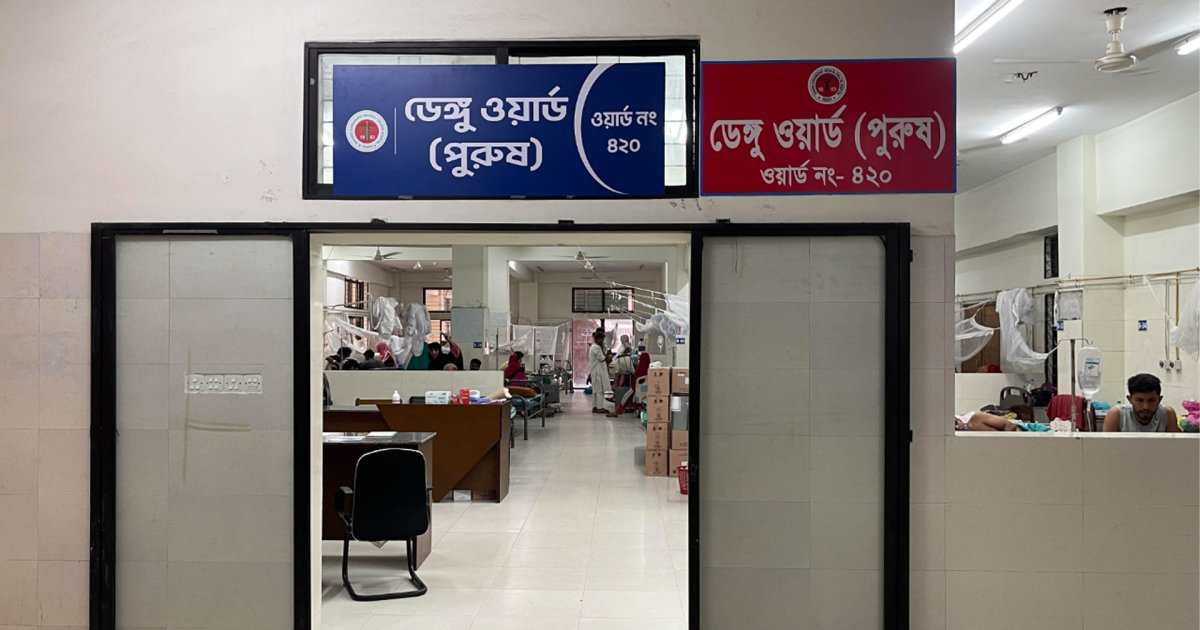
Bengali-language outlets such as Bangla Tribune and Dhaka Tribune have reported that the "tsunami" of dengue patients shows no signs of abating, with thousands being admitted daily. Local coverage emphasizes the pressure this places on general medical services, noting that routine care is being displaced by the emergency response to viral fever cases. Stakeholders are calling for intensified mosquito-control measures in residential areas to curb the ongoing spread.
Context & numbers
Cumulative caseload exceeds 121,000
The DGHS reports that the total number of dengue cases in 2026 has reached 121,699 as of late October. With 376 deaths recorded, the fatality rate remains a critical concern for health officials. The data shows a persistent trend of high hospitalizations, with daily admissions consistently ranging between 1,500 and 2,100 in the past week. This volume underscores the continued need for saline and platelet supplies, which have been under strain throughout the peak season.
On the radar
Concurrent measles outbreak pressures system
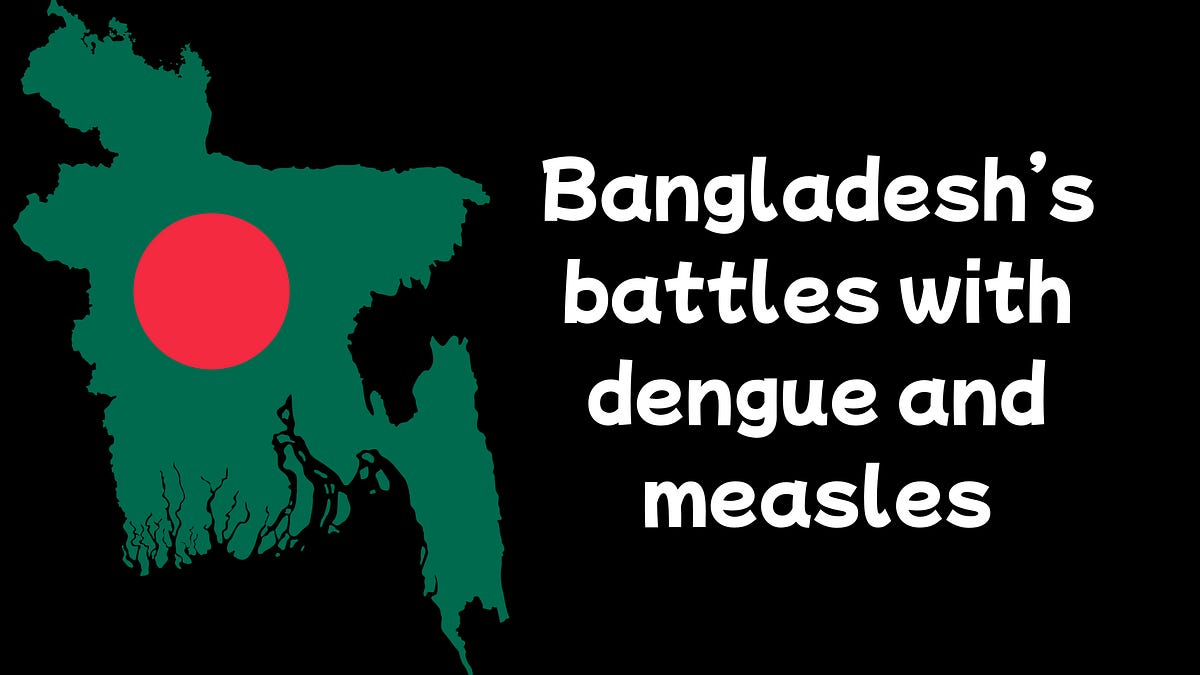
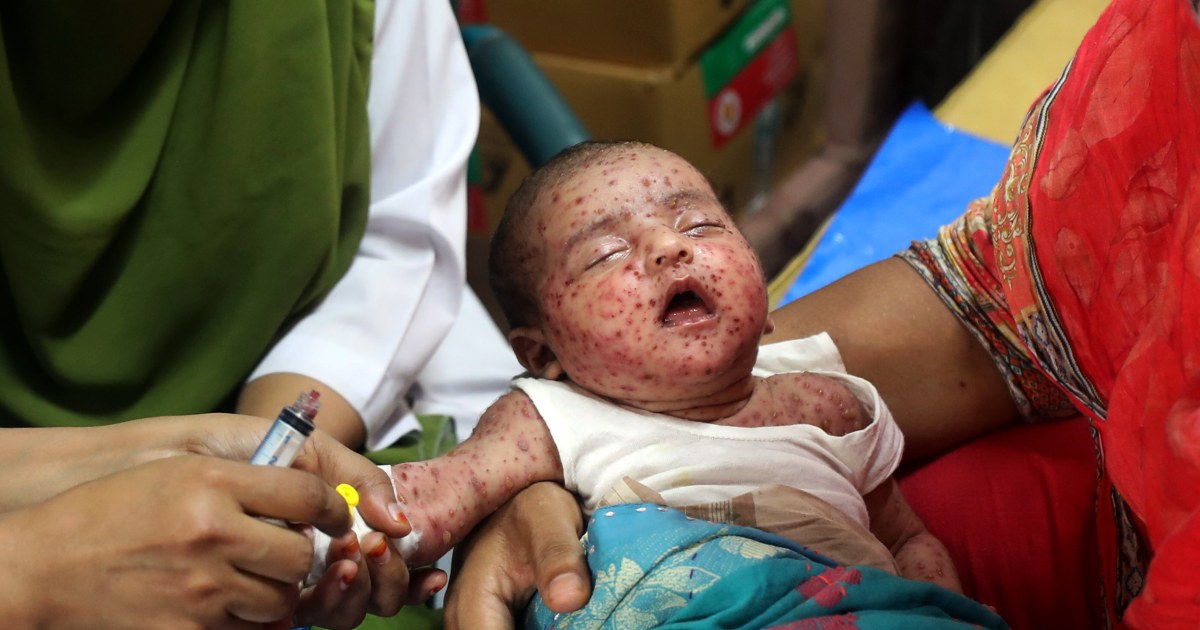
While dengue dominates the current narrative, Bangladesh is simultaneously managing a severe measles outbreak. The CDC recently highlighted the measles crisis, noting over 1,147 deaths since March, primarily among children under five. The dual burden of these two viral outbreaks is testing the limits of the nation's health emergency operations, requiring careful resource allocation between dengue wards and measles vaccination campaigns.
Clinical studies on severe dengue comorbidities
New research published in Frontiers in Public Health details clinical characteristics of severe dengue in Dhaka, noting that prevalence has risen markedly since the lethal 2023 epidemic. These studies aim to improve clinical management of comorbidities, which is crucial as hospitals handle high volumes of severe cases.
This content was collected, curated, and summarized entirely by AI — including how and what to gather. It may contain inaccuracies. Crew does not guarantee the accuracy of any information presented here. Always verify facts on your own before acting on them. Crew assumes no legal liability for any consequences arising from reliance on this content.
Powered by
