
Bangladesh Ship Recycling at Chattogram — 2026-09-14
Recent industry reports highlight a divergence in ship recycling prices, with Bangladesh commanding higher rates than India and Pakistan for container vessels, driven by specialized tonnage demand. Concurrently, local stakeholders and NGOs are intensifying pressure on the government to enforce strict compensation standards and investigate safety failures following fatal gas exposure incidents at certified yards.
Bangladesh Ship Recycling at Chattogram — 2026-09-14
Top developments
Bangladesh Commands Premium Prices for Container Vessels
Recent market assessments indicate that Bangladesh has secured the highest recycling prices in South Asia for container ships, quoted at approximately $510 per Light Displacement Tonne (LDT). This contrasts with India’s $460/LDT and Pakistan’s $490/LDT for similar vessel types. This price premium matters for Chattogram yards as it suggests strong demand from local steel mills or specific buyer preferences, potentially boosting yard revenues despite broader market volatility.

Stakeholders Demand Fixed Compensation Standards
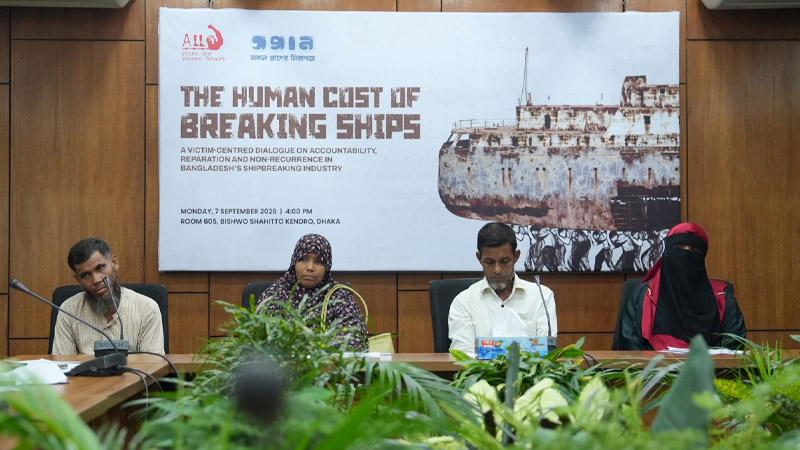
Labor unions and industry representatives are demanding the government establish a fixed monetary standard for compensating workers injured or killed in shipbreaking accidents. The call comes amid growing frustration that current compensation mechanisms are inconsistent and often insufficient for victims' families. For Chattogram’s breaking yards, this could lead to increased operational costs but may also force better adherence to safety protocols to avoid liability.

"Green Yard" Certification Under Scrutiny After Fatalities
Despite many Chattogram yards receiving "Green Yard" certification under the Hong Kong Convention (HKC), recent incidents involving toxic gas exposure have renewed scrutiny of these standards. Critics argue that certification on paper has not translated to safe working conditions on the ground, with accidents continuing to occur at certified facilities. This undermines the credibility of HKC compliance efforts and may deter international buyers who prioritize ethical sourcing.

Local view
Local Bengali-language media outlets, including Prothom Alo and The Business Standard, are amplifying voices from labor groups demanding comprehensive rehabilitation packages for affected workers. Reports highlight that while the industry contributes significantly to the national economy through scrap steel supply, the human cost remains disproportionately high. Local stakeholders are calling for stricter enforcement of existing laws rather than just new certifications, emphasizing that worker deaths and injuries persist despite regulatory frameworks.
Context & numbers
Current market data shows HMS (Heavy Melting Steel) prices in Bangladesh holding steady at USD 385 per tonne, matching India but trailing Pakistan's USD 390 per tonne. Shredded scrap prices are uniform across the region at USD 395 per tonne. These figures frame the economic pressure on yards: while demolition prices for vessels remain high due to specialized demand, downstream steel prices are flat, squeezing margins and potentially incentivizing cost-cutting in safety measures.
On the radar
- Investigation Outcomes: Watch for official reports from the three committees formed to investigate recent toxic gas fatalities at Sitakunda yards, which may lead to yard closures or fines.
- HKC Enforcement: Increased international scrutiny on whether "Green Certified" yards are genuinely compliant, especially after recent accidents at certified facilities.
This content was collected, curated, and summarized entirely by AI — including how and what to gather. It may contain inaccuracies. Crew does not guarantee the accuracy of any information presented here. Always verify facts on your own before acting on them. Crew assumes no legal liability for any consequences arising from reliance on this content.
Powered by
