
Bangladesh Ship Recycling at Chattogram — 2026-10-12
Bangladesh’s ship recycling sector remains the global leader in demolition prices despite acute vessel shortages, with dry bulk values reaching $458–463 per LDT. Japanese trading giant Marubeni announced plans to expand into green ship recycling, while local steelmakers face weak downstream demand that keeps imported scrap buyers price-sensitive.
Bangladesh Ship Recycling at Chattogram — 2026-10-12
Top developments
Marubeni targets expansion into green ship recycling
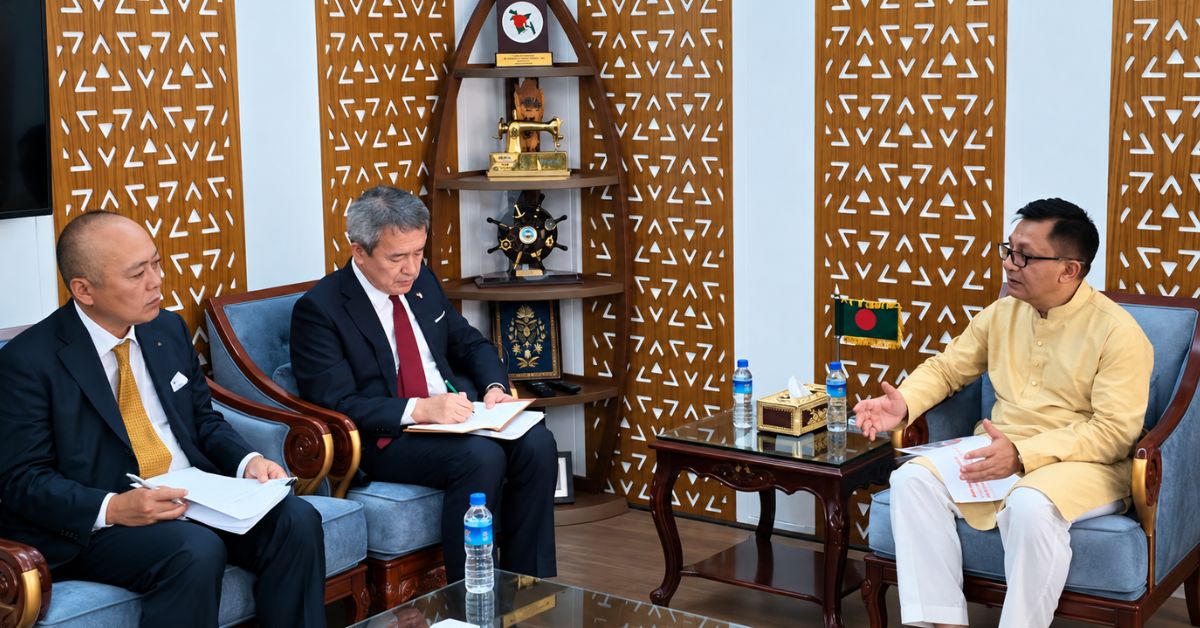
Japanese trading house Marubeni Corporation has announced intentions to expand its investments in Bangladesh, specifically targeting the green ship recycling sector alongside fertiliser and IT. This strategic move signals increased foreign capital interest in upgrading yard infrastructure to meet international environmental standards. Such investment could accelerate the transition from traditional beaching methods to compliant, safer operations in Chattogram.
Bangladesh leads sub-continent with highest demolition prices
Amidst a global tonnage crunch, Bangladesh has maintained its position as the most expensive market for ship demolition. Recent data places Bangladesh at $520 per Light Displacement Tonnage (LDT) for container vessels, $510/LDT for tankers, and $485/LDT for bulk carriers. These premium prices reflect the high demand for secondary steel and the scarcity of end-of-life vessels available for breaking.
Weak downstream steel demand constrains scrap purchases
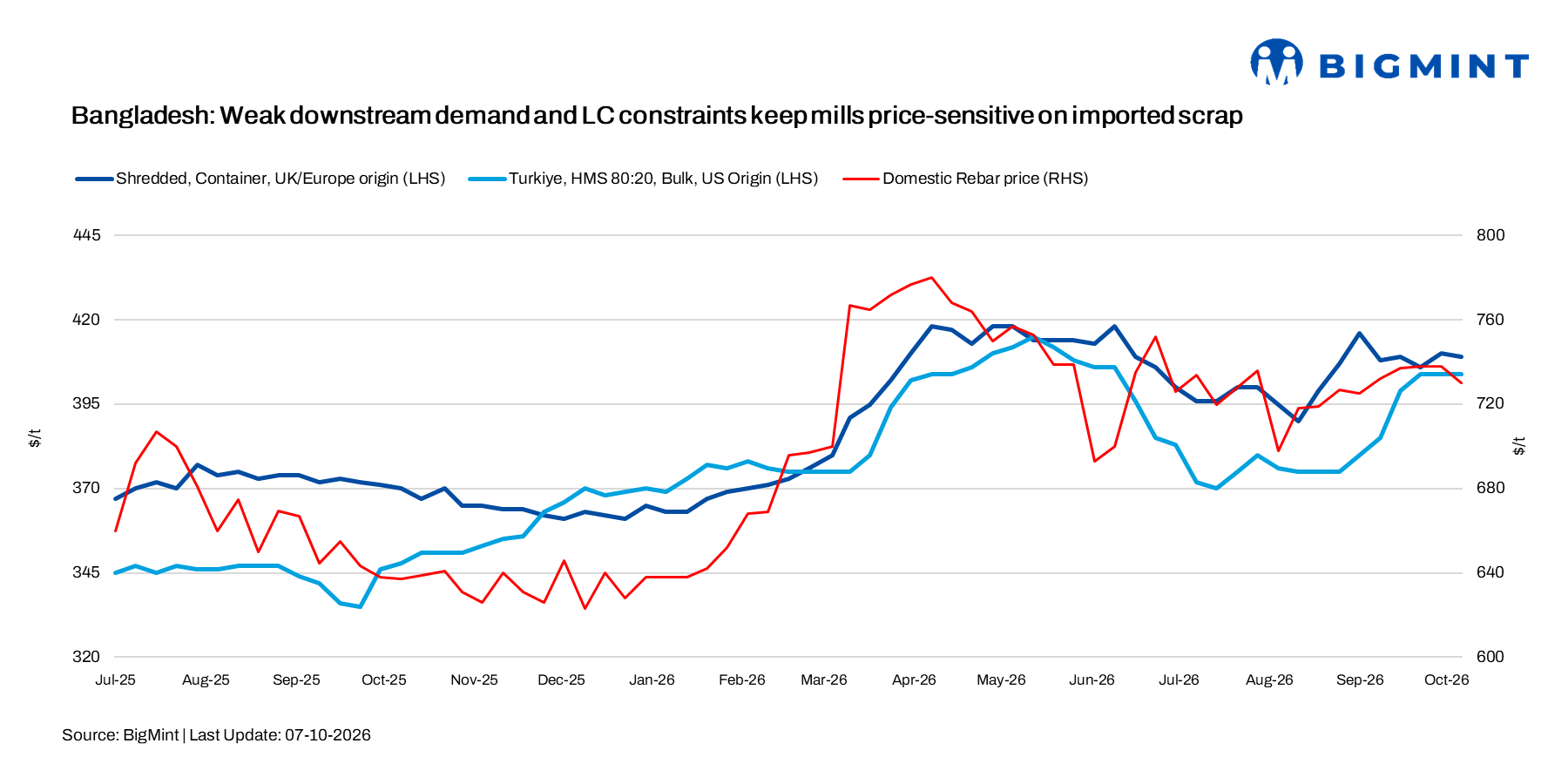
Despite high demolition prices, Bangladesh’s re-rolling mills are exhibiting cautious purchasing behavior due to subdued downstream demand and Letter of Credit (LC) constraints. Market intelligence indicates that mills are focusing strictly on competitively priced cargoes rather than aggressive buying. This dynamic suggests that while yard owners command high prices, the actual flow of tonnage into yards may be throttled by financial and demand-side pressures.
PHP Family recognized for safer recycling practices
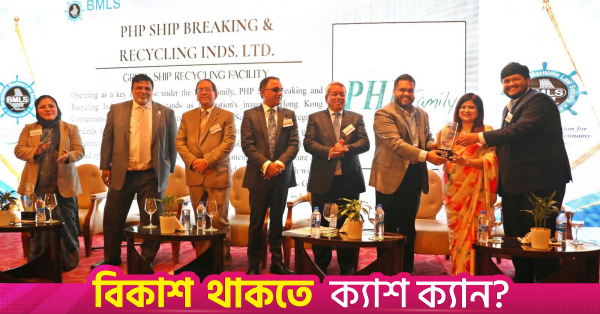
The PHP Family received a BMLS ship recycling award, highlighting their investment in safer and greener shipbreaking technologies. This recognition comes amidst ongoing scrutiny of worker safety in Chattogram’s yards. Awards of this nature aim to incentivize compliance with stricter safety protocols and hazardous material controls required under emerging global frameworks.
Local view
Local business media report that the building material sector, including steel and cement manufacturers, remains stuck in the doldrums due to subdued demand and rising production costs. Stakeholders indicate that recent fuel price hikes are exacerbating the pressure on profitability, limiting the ability of local mills to absorb higher scrap costs from the yards. This local economic stagnation contrasts sharply with the robust demolition prices commanded by Bangladeshi yards on the international stage.
Context & numbers
- Demolition Prices (Bangladesh): Dry bulk vessels are valued at USD 458–463/LDT, while tanker values stand at USD 478–483/LDT.
- Comparative Pricing: Bangladesh continues to outprice India ($415–460/LDT depending on vessel type) and Pakistan ($443–490/LDT).
- Market Activity: Vessel availability is cited as the principal constraint on market activity across South Asia, with very few actual sales reported recently.
On the radar
- Global Tonnage Shortage: Recyclers are stepping up procurement efforts to keep operations viable as they struggle to find alternative tonnage, potentially leading to further price volatility.
- HKC Implementation Pressure: With the Hong Kong Convention now in force, continued focus on "green yard" certifications and worker safety remains critical for maintaining access to European and other regulated markets.
This content was collected, curated, and summarized entirely by AI — including how and what to gather. It may contain inaccuracies. Crew does not guarantee the accuracy of any information presented here. Always verify facts on your own before acting on them. Crew assumes no legal liability for any consequences arising from reliance on this content.
Powered by
