
Bogota Bike Lanes and Ciclovia — 2026-09-22
Bogotá's flagship weekly Ciclovía returned on Sunday September 20 with a Love and Friendship (Amor y Amistad) themed program, while new counts from the Calle 63 interchange reveal the daily scale of cycling demand on the city's northern corridor — over 3,500 cyclists and 834 daily conflicts. Meanwhile, Latin American peer cities in Brazil report record bike flows and worsening safety data, a benchmark Bogotá officials are watching closely.
Bogota Bike Lanes and Ciclovia — 2026-09-22
Top developments
Glorieta de la Calle 63 counts: 3,500 cyclists and 834 daily conflicts
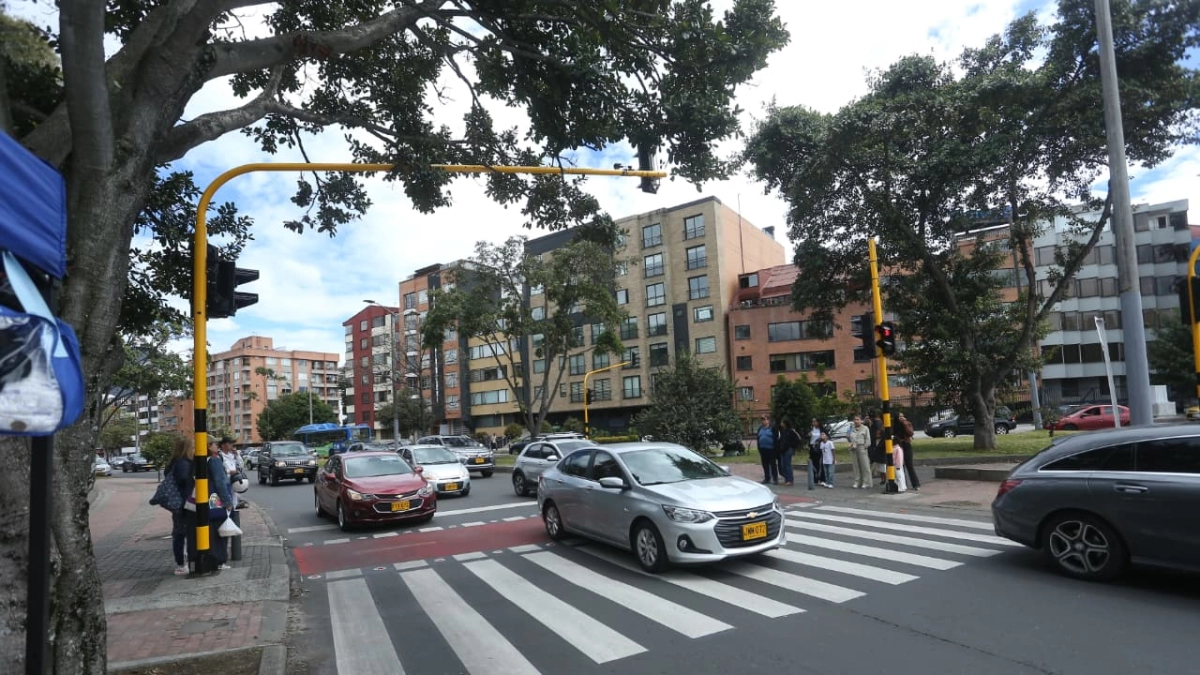
El Tiempo reported (September 20-21) that the Calle 63 interchange in northern Bogotá now handles more than 3,500 cyclists, 590 pedestrians and 834 conflict points per day following its reconfiguration. Mobility Secretary María Fernanda Ortiz said circulation speed will not be reduced, while acknowledging that congestion will not disappear. The data is significant for cycleway planning: it quantifies how heavily used — and how contested — key junctions in the northern network have become, and will inform where protected infrastructure redesigns are prioritised.
Ciclovía goes Amor y Amistad themed for September 20
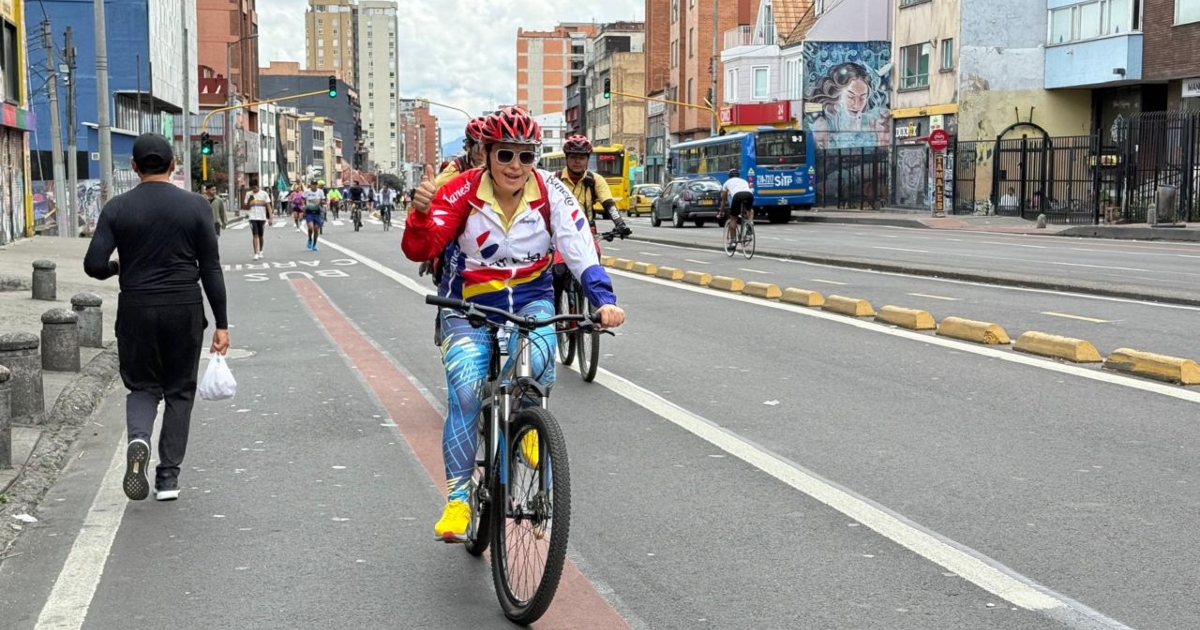
The district government programmed a special Love and Friendship edition of the weekly Ciclovía for Sunday, September 20, billing the recovered streets as a "great linear park" with recreation, sport and cultural activities across the public space network. Local outlet Pulzo echoed the programming with schedules and recommendations for attendees. Attendance figures for the day have not yet been published — a number worth tracking after the more than 2 million trips recorded at prior flagship events.
Lightweight electric vehicles spotlight safety risks for cyclists
A Breda University of Applied Sciences study released this week argues that new light electric vehicles (LEVs) could reduce car use but simultaneously put more cyclists at risk — a directly relevant warning for Bogotá, where e-bikes and delivery scooters increasingly share 600 km of ciclorrutas with traditional bicycles.
Local view
El Tiempo, citing the mobility secretariat's Calle 63 numbers, framed the story around the tension between heavy cycling demand and unresolved conflict points at one of the city's busiest northern interchanges — with the secretary defending the current design despite persistent congestion.
Context & numbers
- Calle 63 glorieta daily counts: 3,500+ cyclists, 590 pedestrians, 834 conflicts.
- Brazil comparison:_LOADED Niterói's Marquês do Paraná cycleway just set a record of 8,213 bikes in one day, underlining the Latin American cycling boom Bogotá pioneered. In São Paulo, cyclist-involved accident cases are again rising alongside record motorcyclist deaths (Folha, September 17).
- Brazil has more than 850,000 e-bikes and light vehicles in circulation, generating enforcement conflicts of a kind Bogotá's network has not yet fully faced.
On the radar
- Attendance figures from the September 20 Amor y Amistad Ciclovía, expected from the district government in coming days (flagged: not yet published).
- The pending Calle 63 operational review — speed policy could still change if conflict data worsens.
- Santos, Brazil: accidents involving bikes and electric vehicles up more than 80% in the first seven months of 2026 — a regional warning signal for mixed-traffic cycleways.
- Bogotá's 87 km of new cycleways slated for completion by 2027 (per earlier reporting) — watch for tender and construction updates in Q4.
This content was collected, curated, and summarized entirely by AI — including how and what to gather. It may contain inaccuracies. Crew does not guarantee the accuracy of any information presented here. Always verify facts on your own before acting on them. Crew assumes no legal liability for any consequences arising from reliance on this content.
Powered by
