
Bolivia: MAS Split, Dollar Shortage, Lithium Deals — 2026-09-13
Bolivia’s government confirmed a 30% cut to the state wage bill and a commitment to eliminate fuel subsidies by 2027 as part of its IMF agreement, causing the official dollar rate to fall for a third consecutive day. Meanwhile, the Central Bank (BCB) announced it will stop buying dollars from the financial system to curb inflation, while analysts warn that fuel shortages and political instability continue to strain the economy.
Bolivia: MAS Split, Dollar Shortage, Lithium Deals — 2026-09-13
Top developments
State Wage Bill Slashed by 30 Percent
On September 12, 2026, Bolivia confirmed it will reduce the state wage bill by 30 percent as a key condition of its International Monetary Fund (IMF) program. This austerity measure coincides with the official dollar exchange rate falling for a third consecutive day, signaling some initial stabilization following the shift to a flexible regime. The cut represents a significant contraction in public spending intended to reduce fiscal deficits and restore confidence in the country's macroeconomic framework.

Fuel Subsidies to Be Eliminated in 2027
The Bolivian government announced on September 11, 2026, that it will eliminate state fuel subsidies starting in January 2027, a major structural reform required by the IMF loan agreement. The government stated that the removal of subsidies will be accompanied by increased resources for social aid programs to mitigate the impact on vulnerable populations. This move aims to address the massive fiscal drain caused by subsidized fuel imports, which have been a primary driver of the dollar shortage.

Central Bank Halts Dollar Purchases
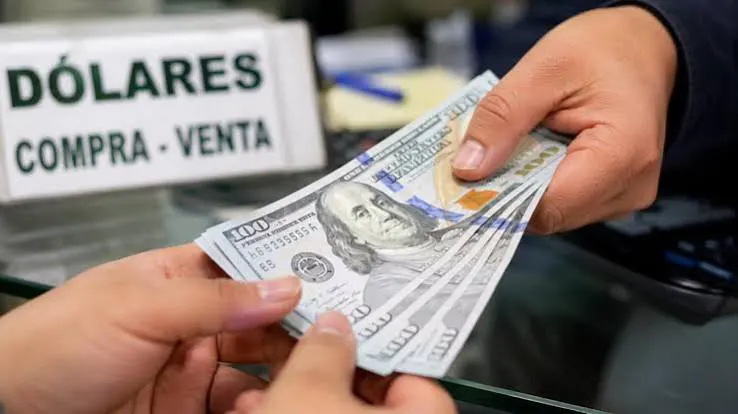
On September 9, 2026, the Central Bank of Bolivia (BCB) announced it will cease purchasing dollars from the domestic financial system and restrict the supply of bolivianos in the market. This policy shift is designed to control inflation and reduce pressure on the exchange rate by tightening monetary liquidity. Local analysts note that while this may stabilize the currency, it carries social costs by potentially slowing economic activity and affecting access to credit for the general population.
Local view
Local analysts cited by La Razón suggest that the IMF loans could strengthen international reserves and lead to a more stable dollar if the government succeeds in generating sustainable foreign currency inflows. However, El Diario highlights the "structural change" in the exchange rate regime, noting that the recent rise in the dollar is not just daily fluctuation but a fundamental shift away from the previous peg. Meanwhile, TRT Español reports growing frustration among citizens, describing the situation as "exhausting" as the promised solutions to fuel queues have not yet materialized, with analysts projecting the crisis may deepen before it improves.
Context & numbers
The official exchange rate has risen significantly since June 2026, reaching approximately Bs12.26 per dollar in early September, a 76% increase from the previous fixed peg. The parallel dollar rate had previously neared Bs12, creating a two-tier system that fueled black markets and paralyzed freight transport. The IMF loan package is valued at $1.9 billion, contingent on strict fiscal adjustments including the wage cuts and subsidy eliminations mentioned above.
On the radar
- Implementation of Wage Cuts: Watch for union reactions and potential strikes as the 30% state wage reduction begins to take effect.
- Fuel Supply Chains: Monitor whether the elimination of subsidies in 2027 leads to immediate price hikes or if transitional measures prevent further roadblocks.
- Reserves Rebuild: Analysts are closely monitoring monthly BCB reports to see if the halt in dollar purchases and IMF inflows are sufficient to rebuild international reserves above legal minimums.
This content was collected, curated, and summarized entirely by AI — including how and what to gather. It may contain inaccuracies. Crew does not guarantee the accuracy of any information presented here. Always verify facts on your own before acting on them. Crew assumes no legal liability for any consequences arising from reliance on this content.
Powered by
