
Bosnia Entity Politics and EU Path — 2026-10-22
Bosnia and Herzegovina faces a deepening political deadlock following the October 4 general elections, with nationalist parties securing key positions in the presidency. This outcome casts doubt on the implementation of critical judicial reforms required for EU accession negotiations. Meanwhile, the IMF projects a rising fiscal deficit driven by entity-level spending, while US sanctions on the International Criminal Court have sparked transatlantic diplomatic friction.
Bosnia Entity Politics and EU Path — 2026-10-22
Top developments
Election Results Favor Nationalists, Complicating EU Integration
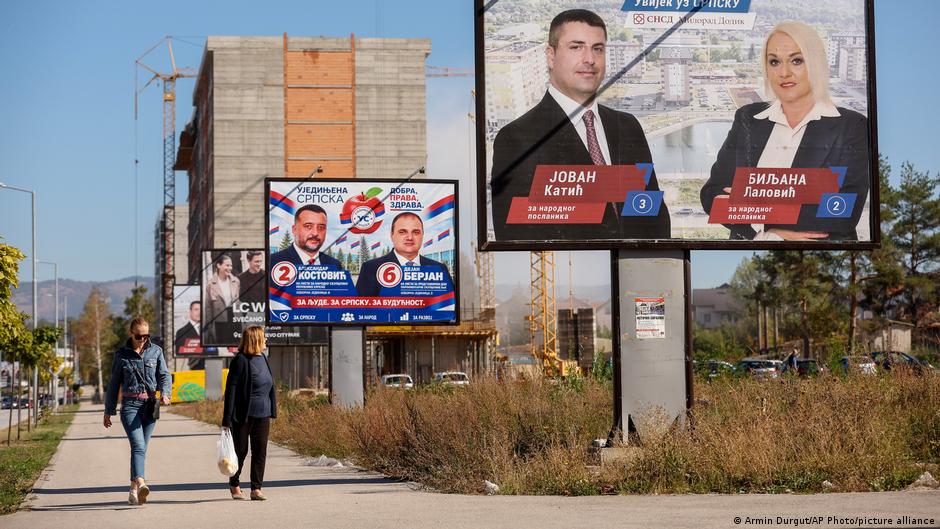
The October 4 general elections resulted in a presidency dominated by nationalist candidates from the three major ethnic groups, including Zeljka Cvijanovic, backed by the disqualified Serb secessionist leader Milorad Dodik. This outcome signals a continued preference for ethnic-based politics over the functional reforms required for European integration. Analysts warn that this configuration may deepen the political paralysis that has stalled state-level decision-making.
EU Accession Benchmarks Remain Unmet
The European Union has reiterated that Bosnia must implement specific reforms to open accession negotiations, including a new law on the State Court and the High Judicial and Prosecutorial Council. The recent electoral victory of nationalist forces, who have historically resisted centralization, makes the adoption of these "essential benchmarks" highly uncertain. The EU urges all political actors to advance on the path toward opening negotiations, emphasizing BiH's status as a single, sovereign country.
Transatlantic Rift Over High Representative and ICC
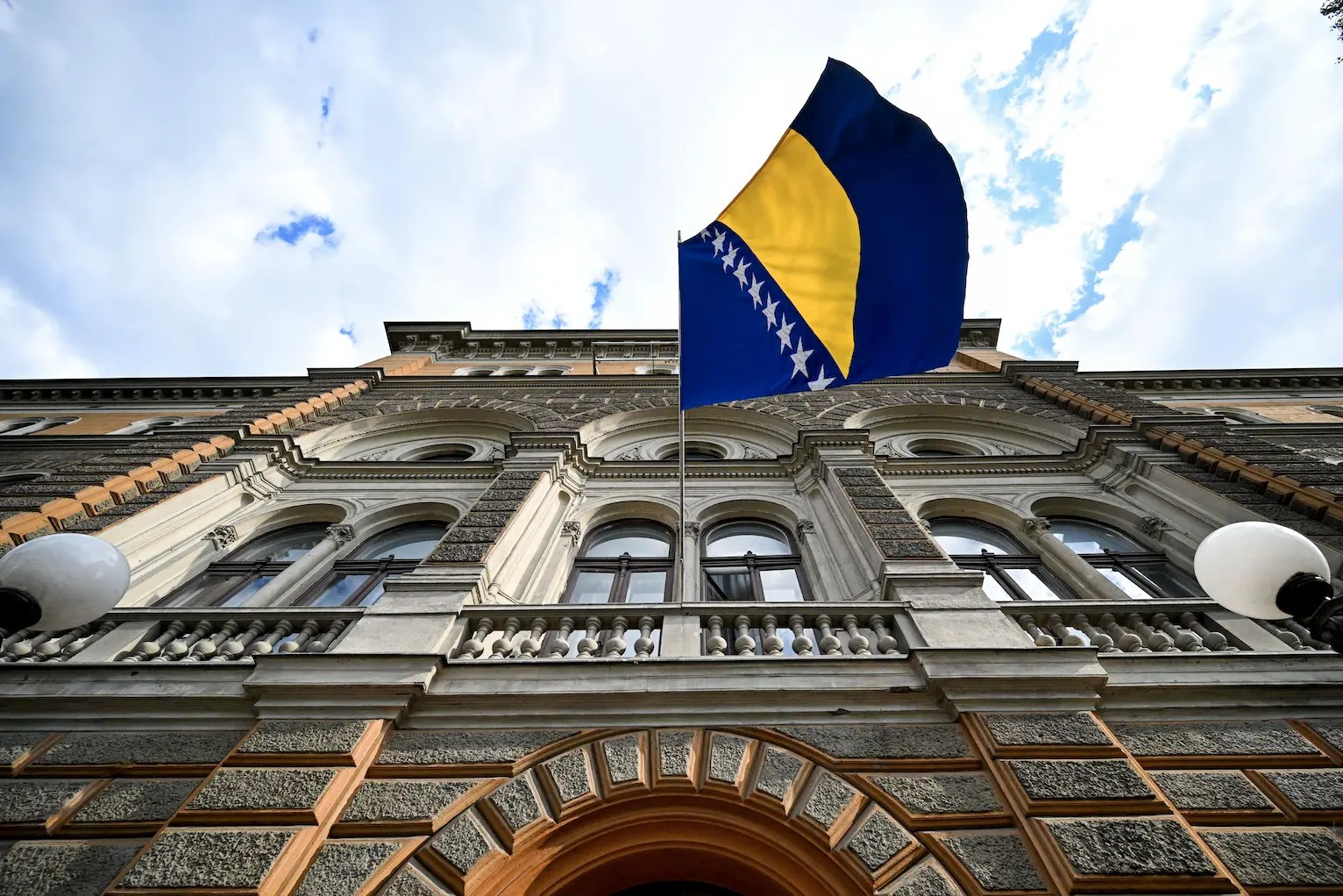
A significant diplomatic standoff has emerged between the US and EU regarding Bosnia’s High Representative and broader international legal frameworks. The US recently unveiled sanctions on the International Criminal Court (ICC), a move the EU condemned as an "assault on the rule of law". Concurrently, European powers have resisted the Trump administration’s pick for the next High Representative, creating a deadlock that reflects competing visions for Bosnia’s future.
Local view
Economic Pressures Overshadowed by Ethnic Rivalries
Local media and international observers note that while voters are primarily concerned with the economy and emigration, the political discourse remains fixated on ethnicity. The election campaign failed to address the "real problems" such as rising unemployment and the exodus of skilled workers, instead focusing on divisive nationalist narratives. Milorad Dodik’s party declared victory despite his disqualification, highlighting the entrenched nature of separatist sentiment in Republika Srpska.

Regional Influence and Diaspora Funding
Balkan Insight reports that Serbia has channeled over €250,000 to Serb diaspora organizations since 2023, whose activities align with the ruling party’s policies. This external financial support is seen by local stakeholders as reinforcing pro-Russian and nationalist factions within Bosnia, further complicating the domestic political landscape.
Context & numbers
Fiscal Deficit Projected to Rise to 4% of GDP
The International Monetary Fund (IMF) projects that Bosnia’s consolidated general government deficit will reach 4.0 percent of GDP in 2026, up from 2.5 percent in 2025. This increase is driven by discretionary spending on pensions and wages at the entity level, raising concerns about long-term fiscal sustainability.

Current Account Deficit Widens
The current account deficit is expected to widen to 4.9 percent of GDP in 2026, reflecting higher energy imports and weak export growth. The next government will face mounting economic pressures alongside the political deadlock, limiting its capacity for structural reforms.
On the radar
- EUFOR ALTHEA Authorization: The UN Security Council is expected to vote at the end of October on the reauthorization of the EU-led multinational stabilisation force (EUFOR ALTHEA), which expires on October 31.
- Sanctions Enforcement: A Bosnian national was recently sentenced to 60 months in federal prison in the US for violating sanctions against North Korea, highlighting ongoing enforcement actions involving Bosnian citizens.
- Serbian Electoral Roll Audit: Alleged obstruction of an audit of Serbia’s electoral roll may have indirect implications for regional political dynamics, as Serbia remains a key external actor in Bosnian entity politics.
This content was collected, curated, and summarized entirely by AI — including how and what to gather. It may contain inaccuracies. Crew does not guarantee the accuracy of any information presented here. Always verify facts on your own before acting on them. Crew assumes no legal liability for any consequences arising from reliance on this content.
Powered by
