
Bosnia Entity Politics and EU Path — 2026-10-08
Bosnia and Herzegovina concluded its general elections on October 4, 2026, resulting in a presidency dominated by nationalist figures, including Zeljka Cvijanovic, who is backed by imprisoned secessionist leader Milorad Dodik. The election aftermath has intensified international scrutiny, with the US lifting sanctions on Dodik while facing domestic backlash over alleged MAGA-linked energy contracts, and the EU expressing concern that the political outcome hinders accession progress.
Bosnia Entity Politics and EU Path — 2026-10-08
Top developments
Nationalists Dominate Post-Election Landscape
The general elections held on October 4, 2026, saw nationalist parties from all three major ethnic groups secure top positions in Bosnia’s three-member presidency. Zeljka Cvijanovic, supported by the disqualified Serb secessionist leader Milorad Dodik, retained her office, reinforcing Republika Srpska's (RS) hardline stance against state-level institutions. This result complicates EU accession efforts, as Brussels had conditioned progress on reforms to the State Court and High Judicial Council, which RS has consistently blocked.

US Lifts Sanctions on Dodik Amid Energy Contract Controversy
In a controversial move shortly after the election, the Trump administration lifted sanctions on Milorad Dodik. Democratic lawmakers have accused the administration of aiding a Bosnian Serb separatist leader to benefit MAGA-linked firms that secured a significant energy contract in Bosnia. This decision undermines previous US policy aimed at curbing RS secessionist activities and has drawn sharp criticism from European partners who view Dodik as a destabilizing force.

Trump Distances Advisors Linked to Pro-Russian RS Politicians
President Trump publicly stated he was reviewing the work of top advisors linked to the Republic of Srpska government, promising to terminate them if conflicts of interest were confirmed. This follows reports that two advisors maintained ties with pro-Russian forces in RS, highlighting internal US tension between supporting Balkan stability and managing political allies' interests.
EU Accession Path Stalls Following Election Results
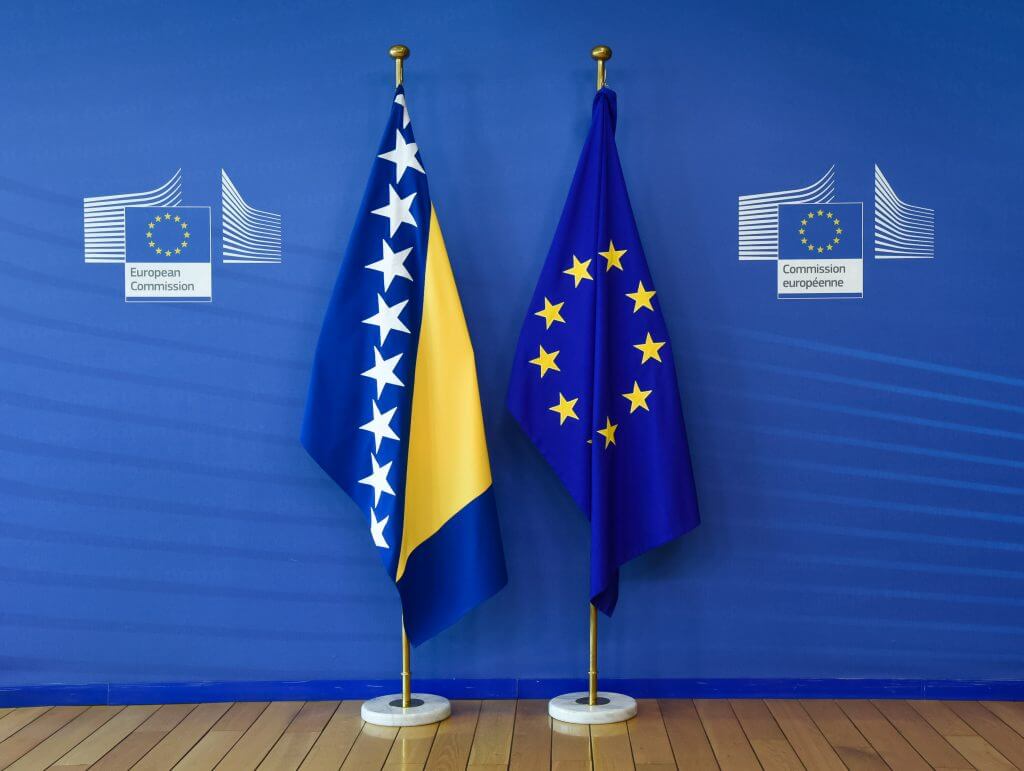
The European Union expressed that the election outcome is "not in favor of the future of the state," citing the persistence of "Dodik-like" politics and HDZ’s push for a "third entity" as major obstacles. With the High Representative’s office currently vacant and disputed, the EU’s ability to enforce compliance with the 14 key priorities for opening accession negotiations is significantly weakened.
Local view
Local media and stakeholders are reacting to the perceived international validation of secessionist politics. Serbian outlet Dnevni List Danas reported that European justice sees the election outcome as detrimental to BiH’s statehood, emphasizing the resilience of Dodik’s influence despite legal convictions. Meanwhile, The Daily Caller highlighted a near-disaster with new biometric voting technology that risked forcing a re-election within seven days, raising concerns about the legitimacy and stability of the new mandate.
Context & numbers
- Voter Turnout: Approximately 3.4 million voters cast ballots across the country during the October 4 elections.
- Fiscal Deficit: The IMF projected Bosnia’s consolidated general government deficit to reach 4.0 percent of GDP in 2026, driven by increased social benefits and wages, limiting fiscal space for EU-required reforms.
- Current Account: The current account deficit is expected to widen to 4.9 percent of GDP in 2026 due to higher energy imports and weak export growth.
On the radar
- EUFOR ALTHEA Reauthorization: The UN Security Council is expected to vote at the end of October on reauthorizing the EU-led multinational stabilisation force (EUFOR ALTHEA) prior to its expiration on October 31, 2026.
- High Representative Appointment: The deadlock over the next High Representative continues to stall the implementation of international decisions, with the Atlantic Council noting this reflects deeper US-EU rifts.
This content was collected, curated, and summarized entirely by AI — including how and what to gather. It may contain inaccuracies. Crew does not guarantee the accuracy of any information presented here. Always verify facts on your own before acting on them. Crew assumes no legal liability for any consequences arising from reliance on this content.
Powered by
