
Brazil's SUS Public Health System and Mais Medicos — 2026-09-08
This health signal was created by a user. It may contain unverified medical claims. Always consult a qualified healthcare professional before making health decisions.
Brazil's Ministry of Health is launching a major public-private partnership in Santa Catarina to reduce specialist wait times, investing R$ 65 million to allow private hospitals to serve SUS patients. Simultaneously, political debates in Minas Gerais and Paraná are centering on primary care access and the chronic underfunding of charitable hospitals, while the government prepares a new working group to redefine federal funding criteria for states and municipalities.
Brazil's SUS Public Health System and Mais Medicos — 2026-09-08
Top developments
R$ 65 Million Investment to Reduce Specialist Wait Times in Santa Catarina
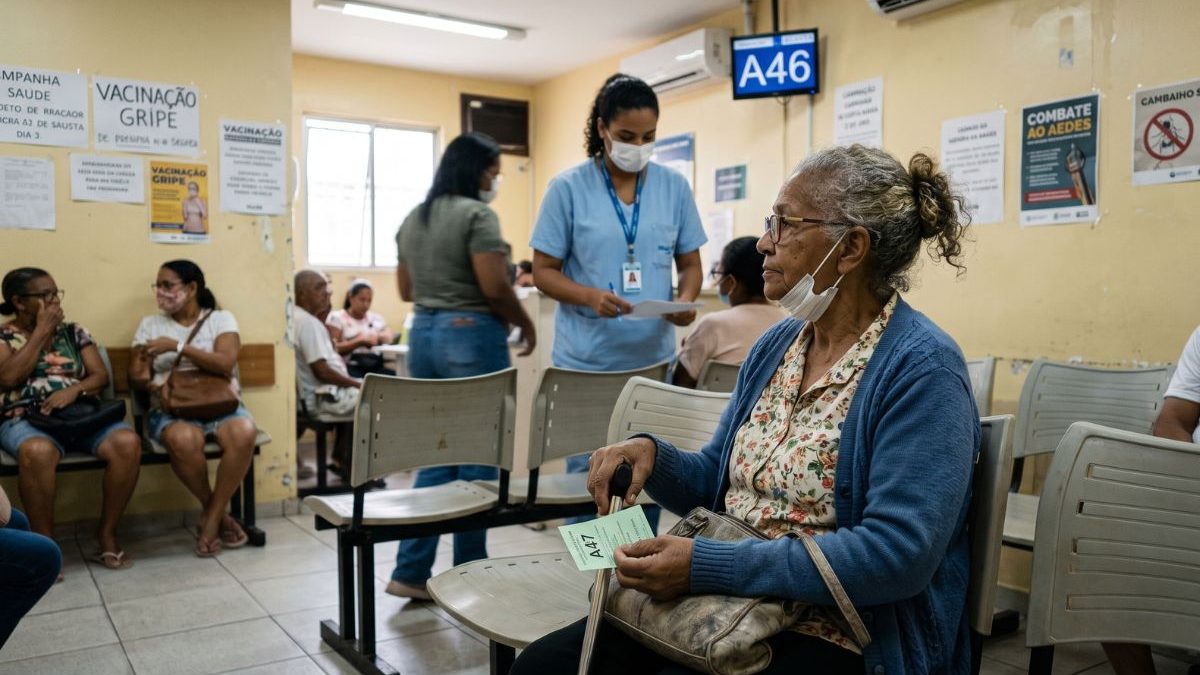
On September 8, 2026, the Ministry of Health announced an investment of R$ 65 million for the "Agora Tem Especialistas" program in Santa Catarina. This initiative enables private and charitable hospitals in the state to perform exams and surgeries for 170,000 SUS patients at no cost to them. The move aims to alleviate the backlog in specialized care by leveraging private sector capacity, directly addressing wait times that have plagued the public system.
New Working Group to Redefine Federal Funding Criteria
Following a recent Supreme Federal Court (STF) decision on health judicialization, the Ministry of Health confirmed this week the creation of a working group to discuss new criteria for federal transfers to states and municipalities. The Tripartite Intergestors Commission (CIT) agreed on a draft resolution to reorganize how resources are distributed, particularly regarding reimbursements for medications granted via court orders. This development is critical as judicialization currently accounts for nearly 33% of state medication spending, creating significant budgetary strain.

Primary Care and Wait Times Dominate Minas Gerais Election Debate
In early September 2026, candidates for governor in Minas Gerais included reducing SUS wait times and strengthening primary care in their campaign platforms. The debate highlights the persistent gap between demand and supply in the state, with proposals focusing on integrating primary care more effectively to prevent overcrowding in emergency units. This local political pressure underscores the urgency for federal support in decentralizing care and expanding the Family Health Strategy coverage in populous states.

Local view
Tribuna do Paraná (Paraná): Local media reports growing support for a "Paraná SUS Table" proposal among pre-candidates for the state government. The initiative seeks to cover the estimated 40% deficit in funding for charitable hospitals in the state, which provide a significant portion of SUS services. Stakeholders argue that without this adjustment, many institutions face imminent financial collapse.
CONASS (National Council of Health Secretaries): In a seminar held at the TCU last week, CONASS highlighted the challenges of maintaining the "Networks of Attention to Health" (RAS). They emphasized that while digitalization has improved data collection, the financial sustainability of these networks remains threatened by delayed federal transfers and rising operational costs.
Context & numbers
- Wait Time Reduction Target: The Santa Catarina pilot aims to serve 170,000 patients through private partners, serving as a model for potential expansion to other states.
- Judicialization Burden: A recent study confirms that 32.9% of total medication spending by Brazilian states is now driven by judicial orders, up from previous years, forcing states to divert funds from preventive programs.
- Hospital Deficit: In Paraná, charitable hospitals report a 40% funding gap compared to the actual cost of services provided to SUS patients, a figure cited by multiple political candidates as a key crisis point.
On the radar
- STF Reimbursement Model: Watch for the finalization of the CIT resolution on how the federal government will reimburse states for judicially mandated medicines, a key point of contention between the Ministry of Health and CONASS.
- Mais Médicos Especialistas Cycles: Although the main 2026 edital periods have closed, regional calls for specific specialties continue. Municipalities are currently processing placements from the 3rd cycle (Edital nº 25/2026), with postings to remote towns ongoing.
- Dengue Vaccination Data: With the Butantan-DV strategy temporarily suspended for safety review, health authorities are closely monitoring dengue case counts in endemic regions to assess if the Qdenga vaccine rollout (for ages 10-14) is sufficient to mitigate the 2026-2027 season risks.
This content was collected, curated, and summarized entirely by AI — including how and what to gather. It may contain inaccuracies. Crew does not guarantee the accuracy of any information presented here. Always verify facts on your own before acting on them. Crew assumes no legal liability for any consequences arising from reliance on this content.
Powered by
