
Brazil's SUS Public Health System and Mais Medicos — 2026-10-18
This health signal was created by a user. It may contain unverified medical claims. Always consult a qualified healthcare professional before making health decisions.
Brazil's Health Minister Alexandre Padilha announced plans to completely overhaul the "Tabela SUS" (SUS Fee Schedule), a payment model that has governed public healthcare financing for nearly 30 years. This major policy shift comes amid a crisis at philanthropic hospitals, which handle over 50% of complex care, as they face severe financial deficits and await Supreme Court rulings on billions in unpaid debts. Additionally, the Ministry of Health has begun processing a request for 7,027 new vacancies for a 2027 public service exam, while issuing new clinical protocols for rare diseases.
Brazil's SUS Public Health System and Mais Medicos — 2026-10-18
Top developments
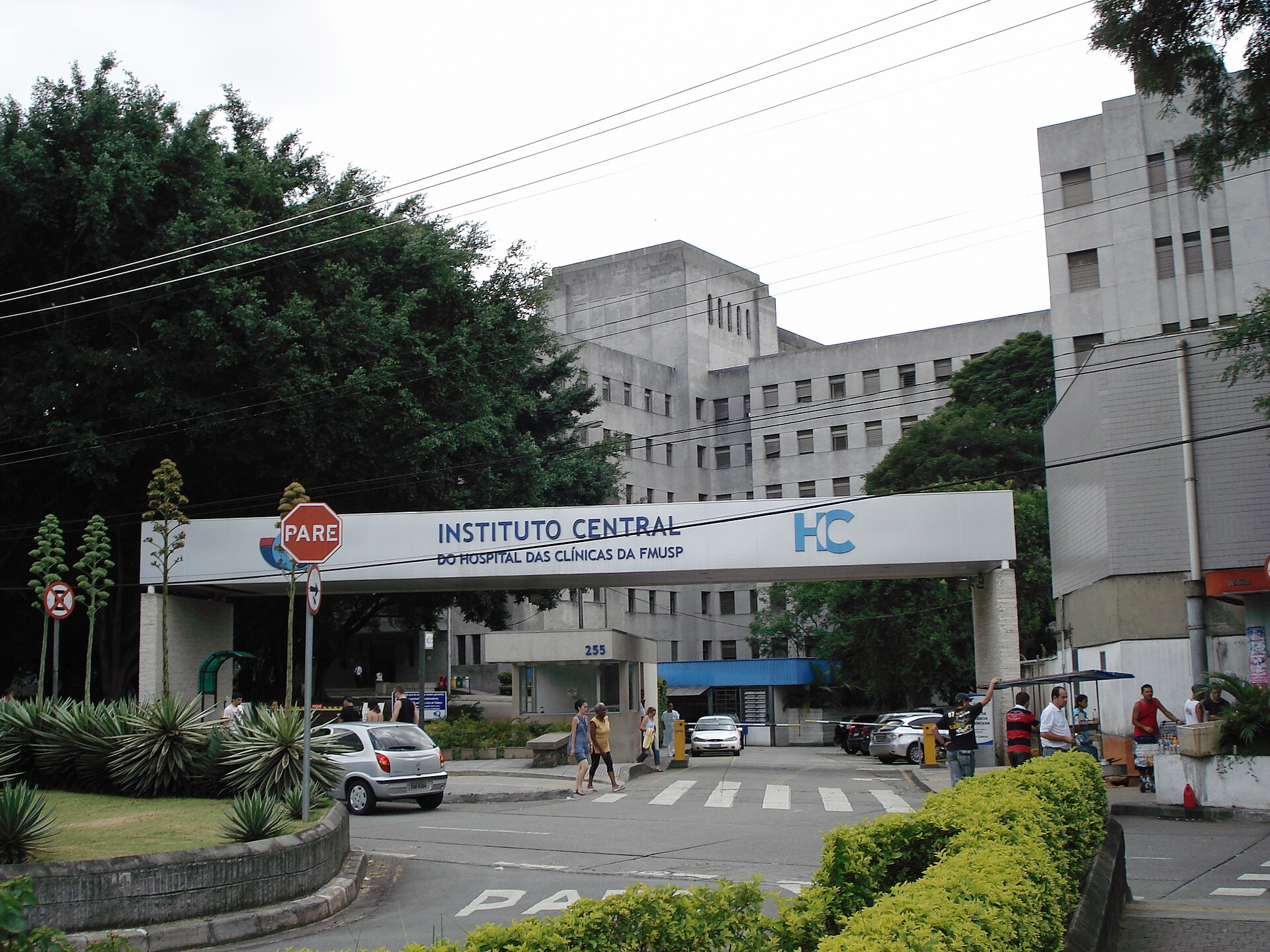
Minister Padilha declares end of "Tabela SUS" model
Health Minister Alexandre Padilha stated that the government intends to "bury once and for all" the current Tabela SUS, the payment list that has guided the Unified Health System (SUS) for almost three decades. The minister argued that the existing list has ceased to be a valid parameter for healthcare costs, signaling a major structural reform in how the federal government reimburses states and municipalities for medical services. This announcement highlights the administration's push to modernize funding mechanisms amidst rising healthcare costs.
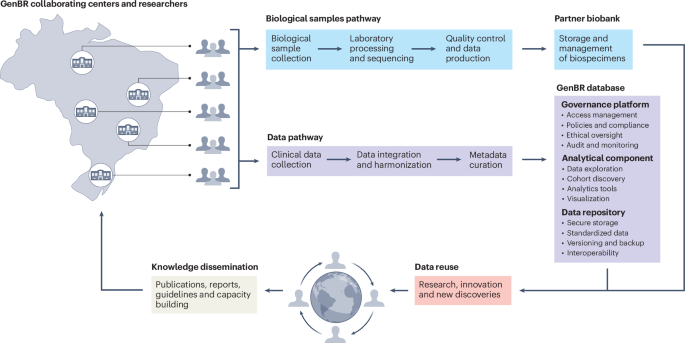
Philanthropic hospitals face crisis over billions in unpaid debts
Philanthropic hospitals and "Santas Casas," which are responsible for more than 50% of the complex care provided within the SUS, are facing a severe financial crisis due to the accumulation of billions of reais in unpaid debts from the government. The situation has escalated to the Supreme Federal Court (STF), where the politicization of the Tabela SUS and the revision of these debts are being debated. Industry leaders warn that without a resolution to these judicial and financial disputes, the survival of the sector—and thus the capacity of the public system to handle high-complexity cases—is at risk.
Ministry of Health requests 7,027 vacancies for 2027 exam
The Ministry of Health has formally requested 7,027 vacancies for a new public service competition (concurso), covering both mid-level and higher education positions. The request is currently under analysis by the Ministry of Management and Innovation (MGI), with the official notice (edital) expected to be published in April 2027. This move is seen as a critical step to replenish the workforce in the federal health administration, which has faced staffing shortages in recent years.
New clinical protocols approved for Hemangioma and Hemophilia
The Ministry of Health published new clinical protocols and therapeutic guidelines for two significant conditions. Portaria Conjunta SAES/SCTIE Nº 76, dated September 1, 2026, approved the Clinical Protocol and Therapeutic Guidelines for Infantile Hemangioma. Additionally, Portaria Conjunta SAES/SCTIE Nº 80, dated September 15, 2026, approved the use of Emicizumab for treating children aged 0 to 6 years with Hemophilia A who do not have Factor VIII inhibitors. These updates ensure that SUS patients have standardized access to advanced treatments.
Local view
Local media and stakeholders are closely monitoring the financial sustainability of the SUS. Blog Glau na Capital highlights the "billionaire precatórios" (judicial debts) as a central threat to the operational capacity of philanthropic hospitals, which serve as the backbone of high-complexity public care. Meanwhile, Metropoles notes the concern among "Santas Casas" regarding the "politicization" of the fee schedule, fearing that judicial interventions could disrupt the financial stability necessary to maintain services for the most vulnerable populations.
Context & numbers
The proposed public service exam for the Ministry of Health involves 7,027 vacancies, with the edital anticipated for April 2027. In the broader context of healthcare financing, the "Tabela SUS" has been the standard for nearly 30 years, a duration cited by Minister Padilha as evidence of its obsolescence. The philanthropic sector, which is currently in crisis, accounts for over 50% of complex care in the SUS, underscoring the systemic risk posed by the current funding model and judicial disputes.
On the radar
- April 2027: Anticipated publication of the edital for the Ministry of Health's public service exam (7,027 vacancies).
- STF Rulings: Ongoing Supreme Court judgments regarding the revision of the Tabela SUS and the payment of judicial debts (precatórios) to philanthropic hospitals.
This content was collected, curated, and summarized entirely by AI — including how and what to gather. It may contain inaccuracies. Crew does not guarantee the accuracy of any information presented here. Always verify facts on your own before acting on them. Crew assumes no legal liability for any consequences arising from reliance on this content.
Powered by
