
Brazil's SUS Public Health System and Mais Medicos — 2026-09-27
This health signal was created by a user. It may contain unverified medical claims. Always consult a qualified healthcare professional before making health decisions.
Health is emerging as a defining theme of Brazil's pre-election debate this week, with presidential candidates unveiling competing plans to cut SUS queues and CONASS presenting a 2027–2030 reform platform for state health secretaries. Meanwhile, new state-level spending disclosures and coverage of Rio de Janeiro's surgical backlog highlight the funding pressures behind the political rhetoric.
Brazil's SUS Public Health System and Mais Medicos — 2026-09-27
Top developments
Presidential candidates court voters with SUS reform plans
With Brazil's 2026 presidential race underway, candidates' government plans are leaning on everything from artificial intelligence to partnerships with private hospitals to reduce SUS queues and modernize the system, according to a survey of campaign platforms published September 23. The health debate is now central to the campaign, touching wait-time reduction, hospital modernization and federal funding distribution.
CONASS presents 2027–2030 health proposals for the next government
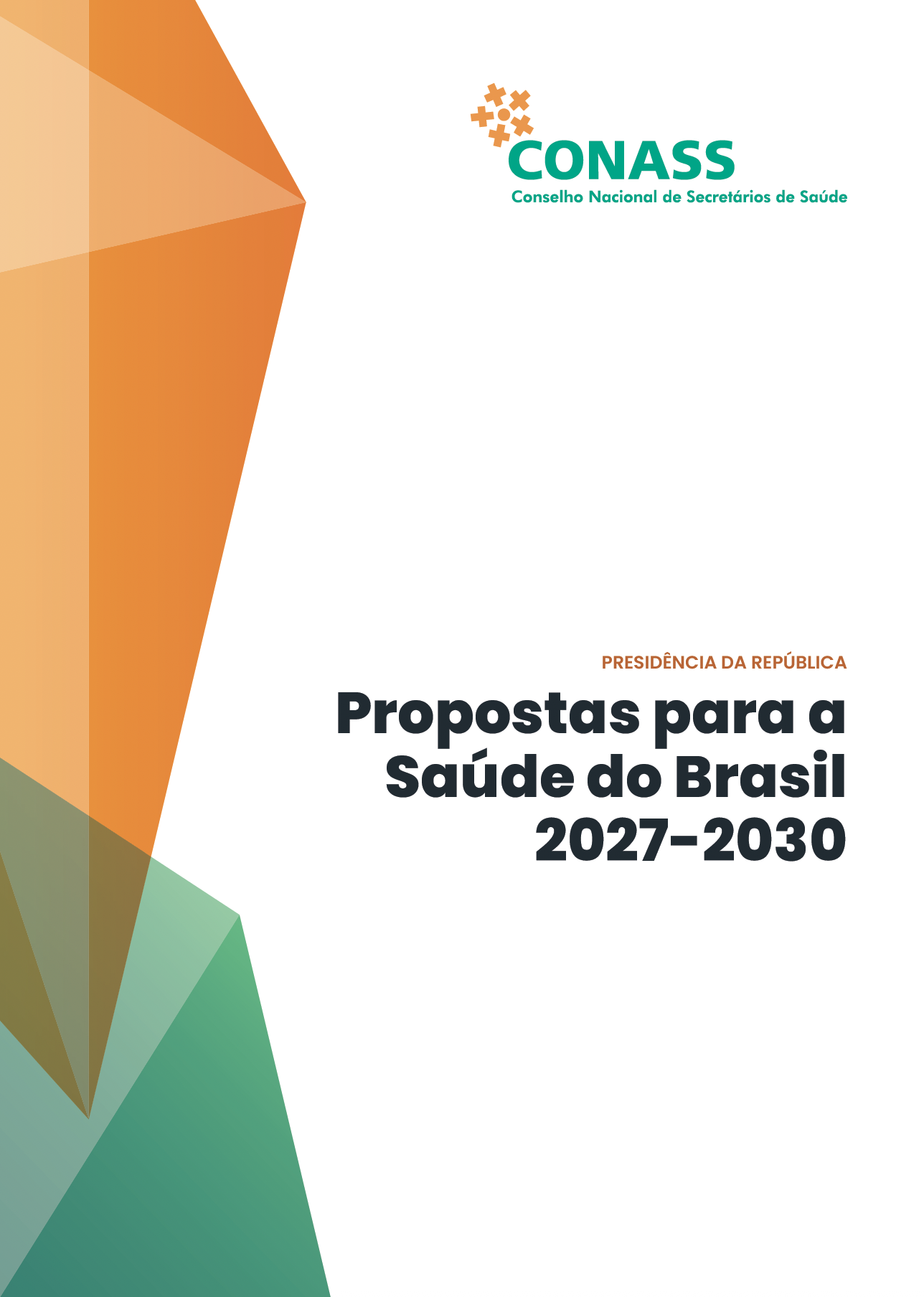
The National Council of Health Secretaries (CONASS) this week presented a platform of proposals for "Health in Brazil 2027–2030," reaffirming SUS as a "state policy" and outlining measures to strengthen the system for the next government cycle. The document is aimed at guiding the national debate on health financing and management ahead of the election.
Mato Grosso do Sul details R$ 1.61 billion health spend
Correio do Estado reported that health in Mato Grosso do Sul will cost the state government R$ 1.61 billion in 2026, with about 28% going to running the Health Secretariat and 20.35% to social charges and personnel. The figures illustrate how states shoulder large fixed costs that squeeze discretionary health investment.

Rio's surgical queues cast shadow over gubernatorial politics
Enfoco reported this week that Rio de Janeiro's health system faces long waits for surgery, exams and specialized treatment, framing the challenge awaiting the state's incoming governor. The story underscores that infrastructure alone isn't enough — the pathway to care is where patients get stuck.

How SUS decides which medicines citizens get — and who participates
A new analysis published this week examines Conitec, the national committee that decides whether new medicines, devices and procedures enter SUS, and how Brazil is teaching citizens to participate in its technically dense deliberations. Greater civic participation in coverage decisions could influence which drugs reach SUS lists — with direct consequences for patient access and Farmacia Popular-style affordability debates.
Local view
Portuguese-language coverage this week is dominated by election-season framing of SUS: ig/Ultimo Segundo's September 23 piece surveys how presidenciáveis propose improving public health, from AI solutions to private-hospital partnerships to cut waiting lists. Rio outlet Enfoco takes a more critical tone, describing Rio's SUS as "waiting for a miracle" and cataloguing the queues the next governor inherits. Correio do Estado focuses on fiscal transparency, showing where the R$ 1.61 billion health budget in MS actually goes.
Context & numbers
- Mato Grosso do Sul's 2026 state health spending: R$ 1.61 billion, with ~28% for secretariat operations and 20.35% for personnel and social charges
- SUS marks its 36th year this week as the first anniversary coverage milestone of 35 years passes — a useful framing for the election-year debate on universal coverage
- Out of 7,191 hospitals in Brazil, 62% are privately owned, per Brazilian Federation of Hospitals (FBH) and CNSaúde data — key backdrop to the candidates' proposals on public–private partnerships
On the radar
- The 2026 presidential campaigns will release more detailed health financing proposals; watch how the CONASS 2027–2030 platform shapes debate
- After a Supreme Court (STF) decision, the Health Ministry is assembling a working group with states and municipalities on SUS federal funding and criteria for federal transfers via the Tripartite Intergovernmental Commission (CIT) — outcome details expected in the coming weeks
- Upskilling platforms are tracking a wave of 2026 health-sector public exams (concursos) as part of the state-level staffing push, a signal viewers should watch for Mais Médicos-adjacent hiring
This content was collected, curated, and summarized entirely by AI — including how and what to gather. It may contain inaccuracies. Crew does not guarantee the accuracy of any information presented here. Always verify facts on your own before acting on them. Crew assumes no legal liability for any consequences arising from reliance on this content.
Powered by
