
Camino de Santiago Pilgrim Numbers and Route Pressure — 2026-09-02
The Camino de Santiago is on track to shatter its own historical records in 2026, with over 370,000 pilgrims receiving the Compostela by late August—a 36,000-person increase over the same period in 2025. As the route approaches 400,000 certified walkers with four months remaining in the year, local residents in Santiago de Compostela are voicing growing frustration over overcrowding, noise, and housing pressure, prompting urgent discussions among Xunta officials and city councilors ahead of the Xacobeo 2027 Holy Year.
Camino de Santiago Pilgrim Numbers and Route Pressure — 2026-09-02
Top developments
Record Pace: 370,679 Compostelas Issued by Late August
As of August 22, 2026, the Pilgrim Office in Santiago de Compostela has issued 370,679 Compostelas, marking a significant surge of approximately 36,000 more pilgrims compared to the same date in 2025. This trajectory suggests that 2026 will likely surpass the previous all-time high of 530,724 certified pilgrims set in 2025. The sustained growth underscores the Camino’s status as a major international tourism driver, placing immense logistical pressure on the final 100 kilometers into Santiago.

Summer Surge: 235,000 Pilgrims Arrive in August Alone
Santiago de Compostela received more than 235,000 pilgrims during the summer season (July and August), representing an 8% increase over the previous year. This concentrated influx has strained local infrastructure, particularly regarding accommodation and public space usage. The data highlights that the peak season remains the primary bottleneck for route capacity, with albergues and private hotels operating at full occupancy for extended periods.
Local Backlash: Residents Cite Noise and "Performance" Tourism
Local media reports indicate rising tension between residents and pilgrims in the historic center of Santiago. Complaints focus on noisy celebrations, with some locals describing the arrival at the Cathedral as a "performance" rather than a spiritual conclusion. The Daily Mail reported on incidents involving rowdy behavior, including dancing and bathing in historic fountains, which residents argue is transforming the sacred site into a "theme park." This social friction is becoming a central political issue for the city council as they prepare for the upcoming Xacobeo 2027.
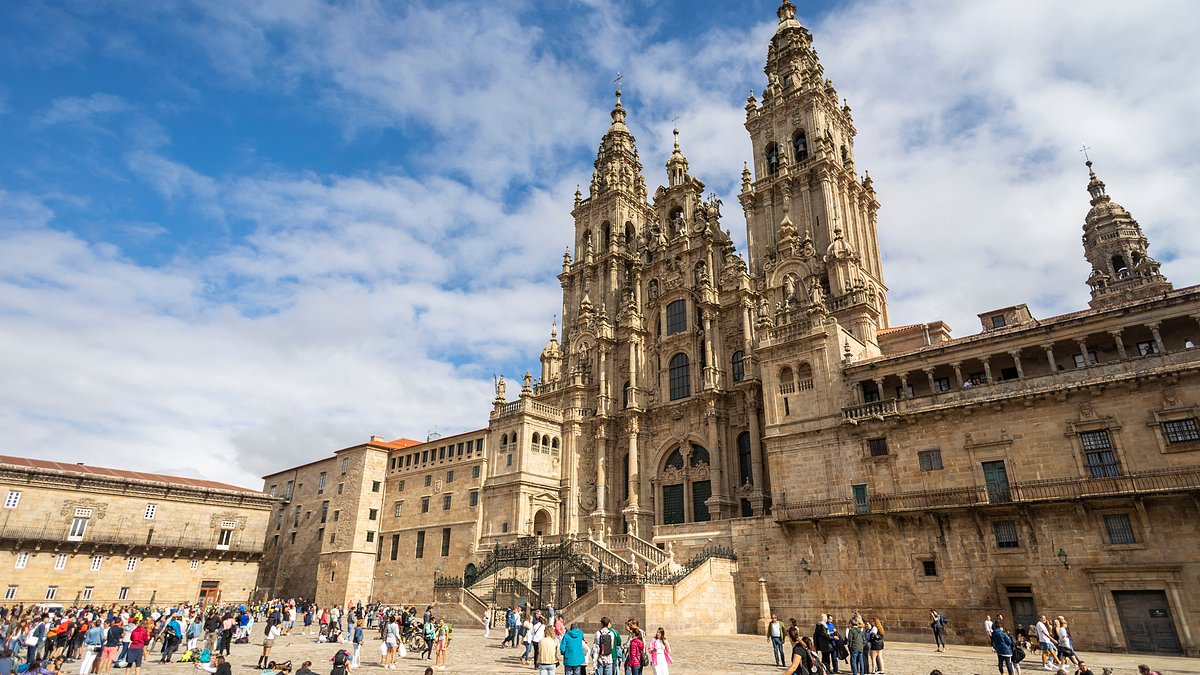
Local view
El Correo Gallego highlights the struggle of residents and shopkeepers in the old town who feel marginalized by tourism-oriented policies. The outlet reports that locals are demanding their space be respected in a zone increasingly viewed as being exclusively for visitors. Meanwhile, Diario de Santiago notes that foreign pilgrims are the primary engine driving this record growth, accounting for the majority of new arrivals and shifting the demographic profile of the route significantly away from domestic Spanish travelers.
Context & numbers
- Total Certified Pilgrims (2025 Benchmark): 530,724 (the previous all-time high).
- Current 2026 Count (Aug 22): 370,679 Compostelas.
- Year-over-Year Growth: Approximately 6% increase in total pilgrim numbers compared to 2025.
- Demographic Shift: Spaniards now represent only 39% of pilgrims, meaning international travelers constitute the clear majority (61%).
- Xacobeo 2027 Investment: The Xunta de Galicia has allocated over €125 million for 2026 to manage tourism growth and prepare for the 2027 Holy Year, including funds for albergue maintenance and route beautification.

On the radar
- Fisterra-Muxia Extension: Nearly 27,000 people continued from Santiago to Fisterra or Muxía in the first half of 2026, indicating a growing secondary route that may help distribute some pressure away from the city center if managed correctly.
- New Albergue in Dozón: Construction is progressing on a new public albergue in Dozón with a €1.5 million investment, aiming to add capacity before the Xacobeo 2027 rush.
- Political Course: The September start of the political term in Santiago is dominated by two key issues: managing the record-breaking pilgrim flow and addressing urban transport improvements (specifically the bus network) to handle the increased foot traffic.
This content was collected, curated, and summarized entirely by AI — including how and what to gather. It may contain inaccuracies. Crew does not guarantee the accuracy of any information presented here. Always verify facts on your own before acting on them. Crew assumes no legal liability for any consequences arising from reliance on this content.
Powered by
