
Caribbean Sargassum Blooms and Beaches — 2026-10-24
Quintana Roo has reported a historic record of 153,000 to 155,000 tons of sargassum collected in 2026, prompting the Mexican Navy to test new dynamic barriers and plan for 17 new vessels in 2027. Meanwhile, regional responses are shifting toward international funding, with Belize seeking $10 million from the World Bank and the Cayman Islands exploring reuse ventures. In the French Antilles, legislative progress in the Senate aims to fund experimental diagnostics for sargassum damage.
Caribbean Sargassum Blooms and Beaches — 2026-10-24
Top developments
Quintana Roo breaks all-time collection records The state of Quintana Roo closed the 2026 season with a historic high of 153,000 to 155,000 tons of sargassum collected, significantly surpassing the 96,000 tons recorded in 2025. Approximately 125,000 tons were removed from beach zones, while 28,000 tons were intercepted in open sea operations. This surge has strained local clean-up budgets and hotel operations, with authorities now eliminating the "seasonal" distinction to manage landings year-round.

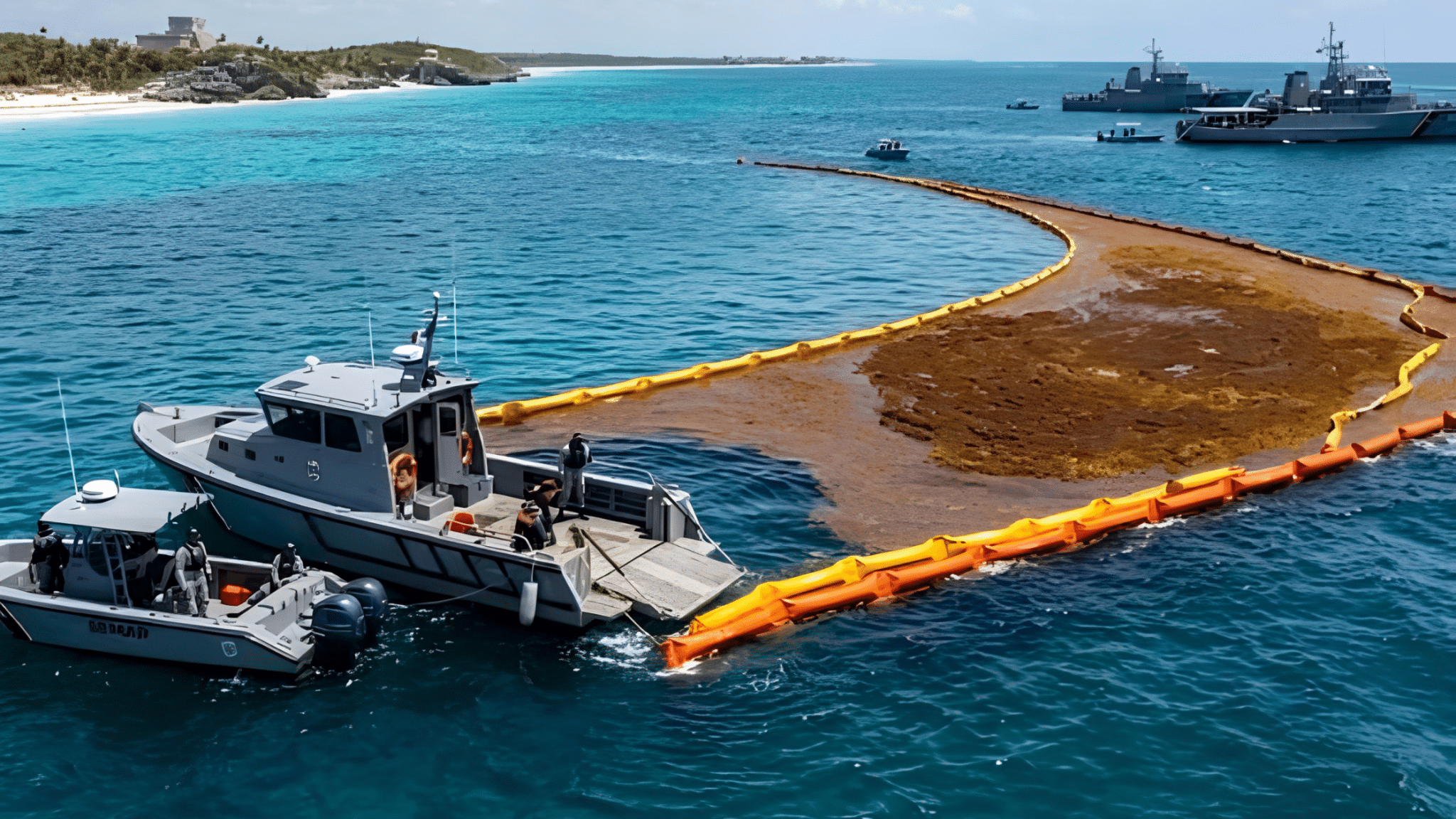
Mexican Navy tests dynamic barriers and plans fleet expansion The Mexican Navy (Semar) has begun testing new "dynamic barriers" in the Caribbean Sea as part of an integral strategy to contain macroalgae before they reach the shore. The Navy plans to incorporate 17 new vessels into the fleet by 2027 to increase interception capacity in open water. Governor Mara Lezama and Navy officials recently reviewed the Sargassum ship, which has a 700-ton collection capacity, signaling a shift toward industrial-scale maritime cleanup.
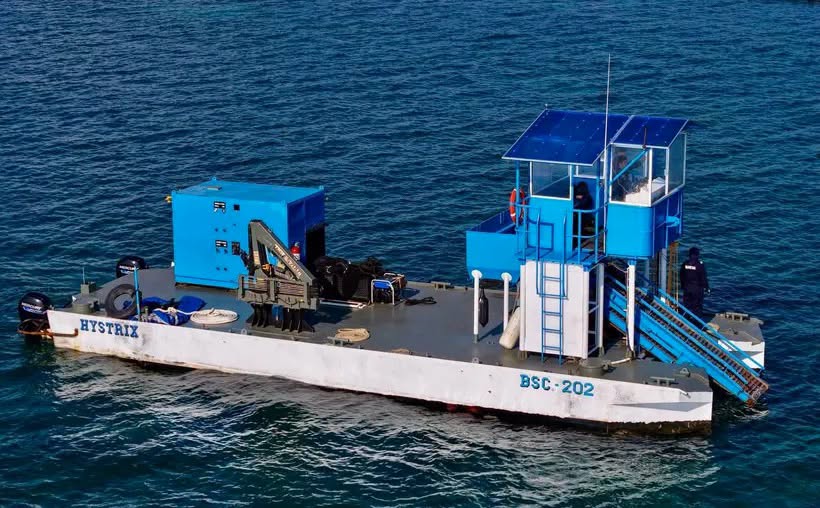
Belize seeks $10 million World Bank loan The Government of Belize is actively seeking an initial US$10 million from the World Bank, along with support from the Inter-American Development Bank (IDB), to address the growing sargassum crisis. This move highlights the financial burden on smaller Caribbean nations and the increasing reliance on international financial institutions to fund beach cleanups and infrastructure adaptations.
Local view
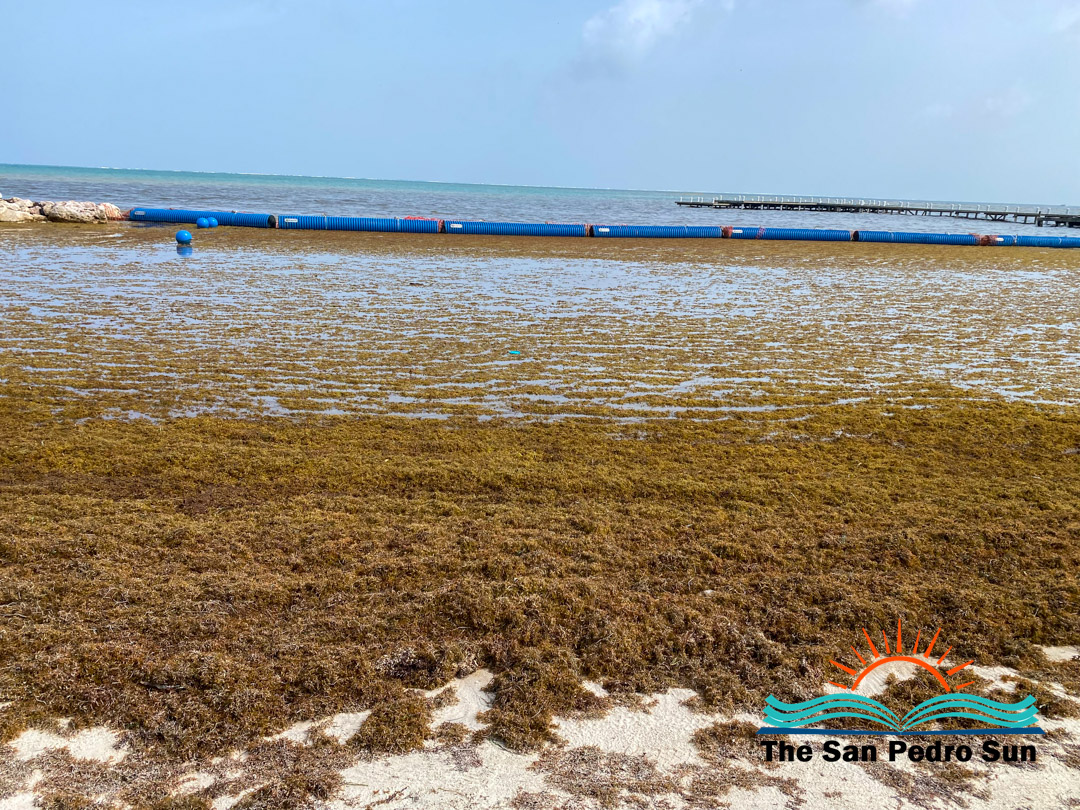
In the French Antilles, the debate over sargassum financing has reached the national legislature. On October 19, the French Senate adopted an amendment proposed by Senator Catherine Conconne, which allows the "Fonds Barnier" (a natural risk fund) to contribute to financing experimental studies and diagnostics for preventing damage caused by sargassum landings. Local media in Martinique, such as Antilla, emphasize that the decomposition of algae continues to affect living conditions and property values, with the new legislative step seen as a crucial first move toward sustainable funding for affected communes.
Context & numbers
- 153,000–155,000 tons: Total sargassum collected in Quintana Roo in 2026, setting a new historical record.
- 42%: The percentage of monitored beaches in Quintana Roo (59 out of 140) that currently show moderate to excessive sargassum accumulation.
- $10 million: The amount Belize is requesting from the World Bank to combat sargassum impacts.
- 17 vessels: The number of new ships the Mexican Navy plans to add to its sargassum collection fleet by 2027.
On the radar
- Cayman Islands Reuse Ventures: The Cayman Compass reports that the region is actively exploring solutions beyond cleanup, including converting sargassum into fuel and fertilizer. Local stakeholders are looking to replicate successful models from other Caribbean islands to turn the environmental burden into an economic opportunity.
- Caribbean Outlook: The Sargassum Sub-regional Outlook Bulletin predicts "clear to mild conditions" for the period of October 1, 2026, to January 1, 2027, suggesting a temporary lull in heavy landings for the upcoming months.
- Tourism Sentiment: Recent travel blogs note a decline in visitor confidence for destinations like Cancún and Playa del Carmen due to persistent sargassum issues, with some travelers opting for alternative Caribbean beaches with lower risk.
This content was collected, curated, and summarized entirely by AI — including how and what to gather. It may contain inaccuracies. Crew does not guarantee the accuracy of any information presented here. Always verify facts on your own before acting on them. Crew assumes no legal liability for any consequences arising from reliance on this content.
Powered by
