
Caribbean Sargassum Blooms and Beaches — 2026-09-08
Quintana Roo has surpassed 98,000 tons of sargassum collected in 2026, with recent data showing a slight seasonal decrease as the peak passes. Meanwhile, hoteliers in Cancún are resisting federal demands to fund beach cleanups, citing their own annual investments of over 30 million pesos, while new scientific studies highlight potential biorefinery applications for the algae.
Caribbean Sargassum Blooms and Beaches — 2026-09-08
Top developments
Cancún surpasses 98,000 tons of sargassum collected
As of early September 2026, Cancún reports that over 98,000 tons of sargassum have been collected this year. During the recent vacation period alone, more than 27,000 tons of macroalgae were removed from the beaches. This figure underscores the scale of the ongoing cleanup operations in Mexico’s primary tourist destination, which continues to battle record-level influxes despite seasonal fluctuations.
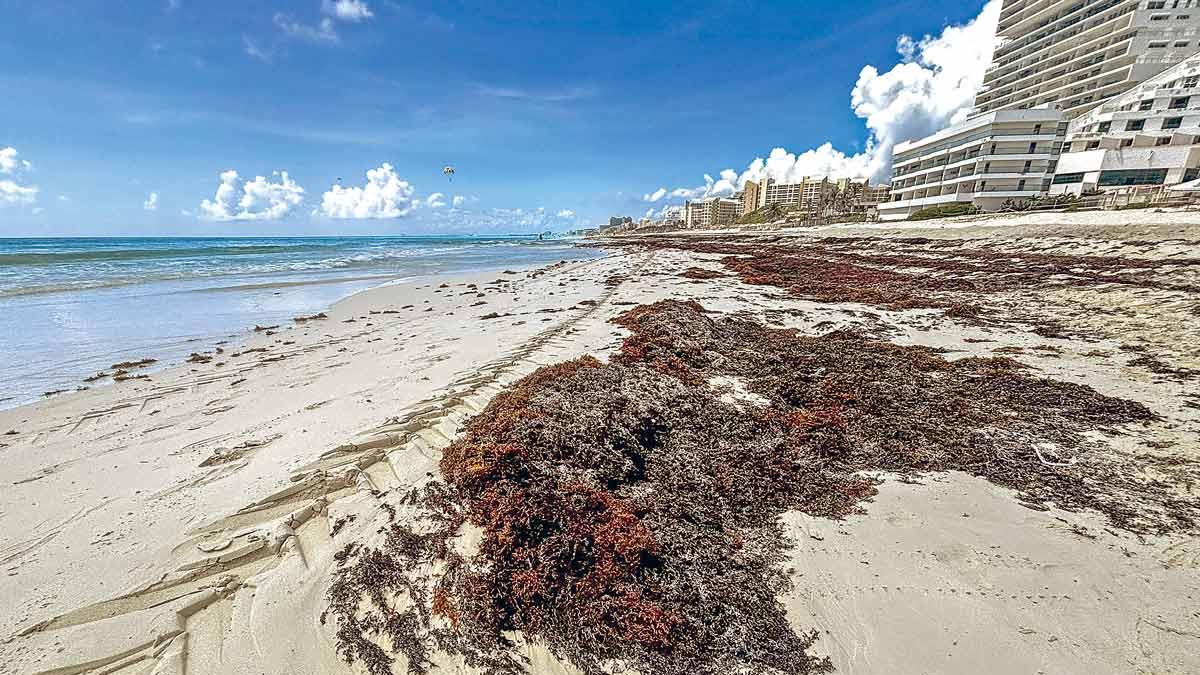
Seasonal relief begins for Quintana Roo coastlines
Local media reports indicate that the sargassum season is beginning to give a "tregua" (respite) to the coasts of Quintana Roo. While the arrival of algae is decreasing, authorities note that the pattern remains erratic, with some areas still experiencing excessive accumulation. This shift is critical for forecasting landing volumes for the remainder of the year, as satellite trackers suggest amounts will continue to decrease until November.

Hoteliers reject federal funding mandates for cleanup
Cancún hotel owners have publicly rejected paying for sargassum collection, arguing it is a federal responsibility. The Mexican Association of Hotel Chains revealed they already support beach cleanup efforts with investments exceeding 30 million pesos annually. This dispute highlights the growing tension between private sector stakeholders and government bodies regarding the allocation of clean-up budgets amidst the crisis.

New biorefinery potential identified for Caribbean sargassum
A new study published in September 2026 details an integrated cascade biorefinery for pelagic sargassum collected in the Dominican Republic. The research demonstrates the extraction of anticancer and nutraceutical compounds, with the remaining residue being valorized into biomethane. This scientific development offers a concrete pathway for turning the environmental burden into economic value through renewable energy and high-value chemical production.

Local view
Local outlets in Quintana Roo, such as Galu Comunicación and Excélsior, are focusing on the operational reality of the "tregua" (respite) while maintaining vigilance against erratic landings. Stakeholders are emphasizing that despite the slight decrease, the structural problem remains, with the Asociación de Hoteles de Cancún defending their financial contributions against federal expectations.
Context & numbers
- Total Collection: >98,000 tons collected in Cancún YTD 2026.
- Recent Volume: >27,000 tons removed during the recent vacation period.
- Hotel Investment: Hoteliers claim >30 million pesos invested annually in cleanup support.
- Forecast Trend: Sargassum amounts expected to decrease until November 2026 across most regions.
On the radar
- November Outlook: CARICOOS forecasts indicate continued decrease in sargassum amounts until November, though beaching events will persist.
- Biogas Pilot Potential: New research on biomethane production from Dominican Republic sargassum may spur local pilot projects for energy generation.
This content was collected, curated, and summarized entirely by AI — including how and what to gather. It may contain inaccuracies. Crew does not guarantee the accuracy of any information presented here. Always verify facts on your own before acting on them. Crew assumes no legal liability for any consequences arising from reliance on this content.
Powered by
