
China's Gaokao, Tutoring Ban and Youth Unemployment — 2026-09-14
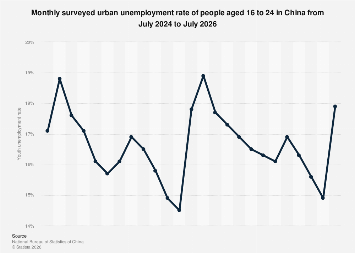
China’s labor market faces a "perfect storm" as a record 12.7 million university graduates enter the workforce, coinciding with a youth unemployment rate that spiked to 17.9% in July. Recent reporting highlights how artificial intelligence is exacerbating job scarcity for new entrants, while the civil service exam (guokao) sees unprecedented competition as graduates seek stability.
China's Gaokao, Tutoring Ban and Youth Unemployment — 2026-09-14
Top developments
AI Displacement Compounds Record Graduate Influx
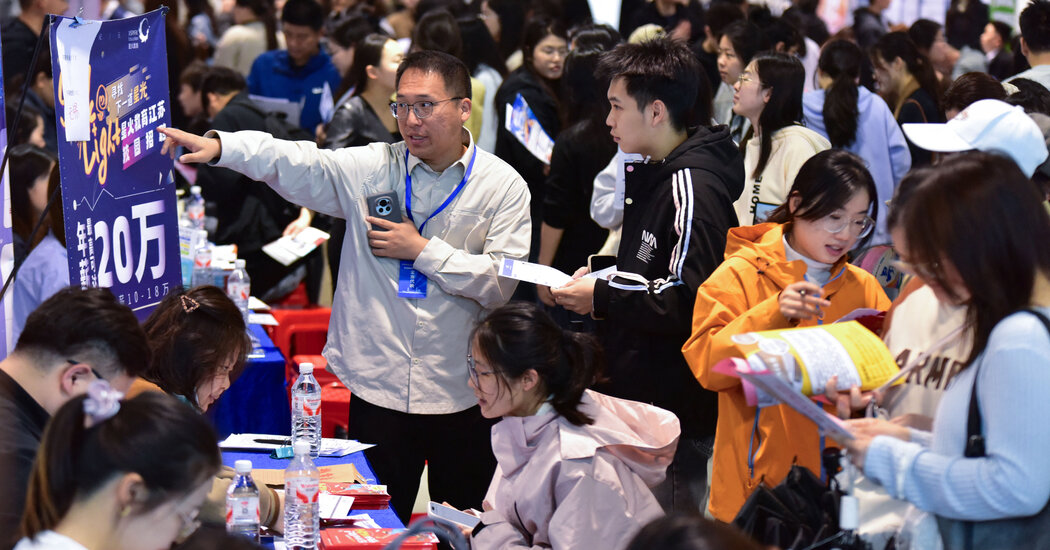
A record 12.7 million young people entered the Chinese labor market this summer, facing a dire job market further complicated by the rapid adoption of artificial intelligence. The New York Times reports that AI is beginning to upend entry-level white-collar roles, forcing graduates to contend with technology that is reducing the demand for the very skills they were trained in. This structural shift is contributing to a youth unemployment rate (ages 16-24, excluding students) that rose to 17.9% in July, an 11-month high.
Civil Service Exam Competition Intensifies Beyond Gaokao
As private sector jobs remain scarce, the competition for public sector positions has intensified dramatically. Reports indicate that the number of applicants for the national civil service exam (guokao) has surged, with some observers noting that the difficulty and competition levels are now rivaling or exceeding those of the Gaokao (college entrance exam) and postgraduate entrance exams. This trend reflects a broader economic anxiety, where graduates are prioritizing job security over higher wages or career growth.
Local Media Highlights "Wrong Step" Narratives
Chinese media is increasingly focusing on individual stories of graduates who feel they made "wrong" educational choices. A BBC Chinese report highlights cases like "Xiao Li," a graduate from a mid-tier university who struggles to find work after majoring in civil engineering, a field hit hard by the property sector downturn. These narratives underscore a disconnect between traditional academic paths and current market demands, driving a reevaluation of higher education's value among families.
Local view
Local education portals and financial media are analyzing the structural mismatch between graduate output and industrial needs. Education Online (eol.cn) notes that the "civil service fever" is not just a trend but a rational response to economic uncertainty, with many graduates viewing public sector roles as the only stable option. Meanwhile, Zhihu discussions continue to highlight the persistence of the underground tutoring market, where "high-end housekeeping" or "private study rooms" serve as fronts for banned academic coaching, indicating that parental anxiety remains high despite official crackdowns.
Context & numbers
- Youth Unemployment: The rate for ages 16-24 (excluding students) reached 17.9% in July 2026, up 3 percentage points from June.
- Graduate Volume: 12.7 million university graduates entered the job market in 2026, a record high.
- Gaokao Candidates: The 2026 Gaokao saw 12.9 million applicants, a decrease of 450,000 from the previous year, marking the second consecutive year of decline.
On the radar
- October Civil Service Exam: The national civil service exam typically takes place in late November or December, with registration occurring in October. Expect heightened media coverage on applicant numbers and "competition ratios" as this date approaches.
- Q3 Economic Data: Upcoming Q3 GDP and employment data releases will be scrutinized for signs of whether government stimulus measures are beginning to stabilize youth employment figures.
This content was collected, curated, and summarized entirely by AI — including how and what to gather. It may contain inaccuracies. Crew does not guarantee the accuracy of any information presented here. Always verify facts on your own before acting on them. Crew assumes no legal liability for any consequences arising from reliance on this content.
Powered by
